
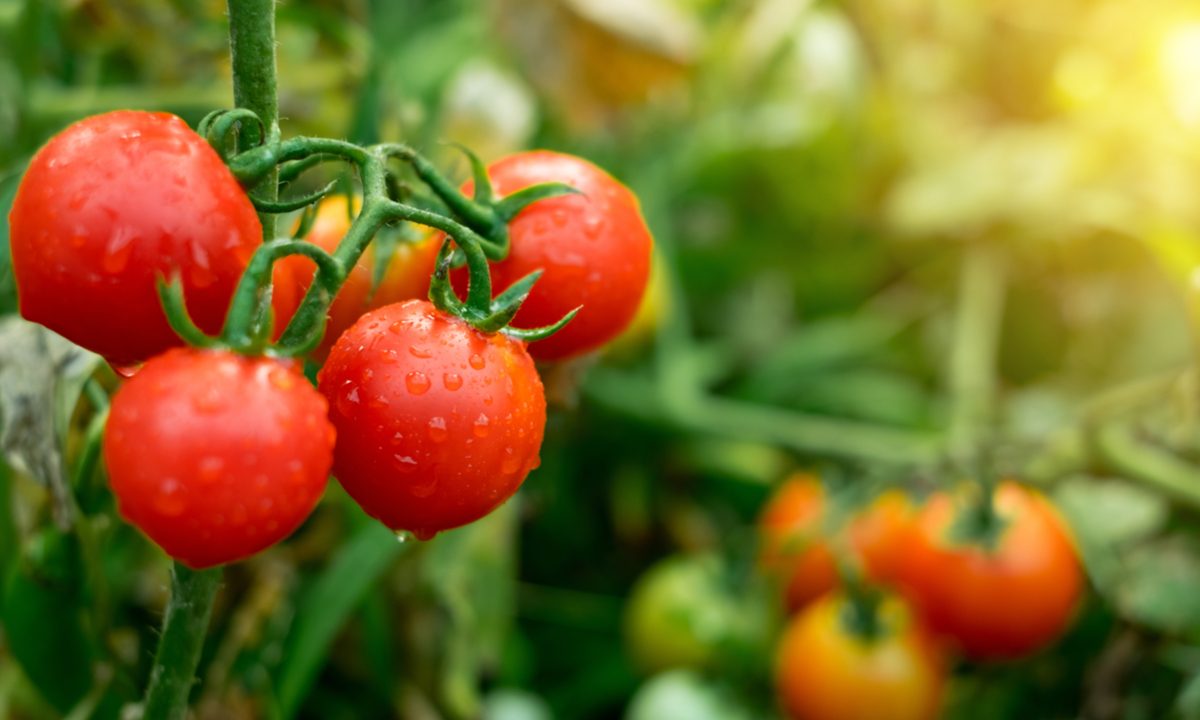
Tomatoes are a versatile and delicious vegetable, useful for soup, sandwiches, sauces, and more. There’s nothing quite like fresh, homegrown tomatoes, but they do have some specific care requirements. If they're not properly cared for, they can develop fungal infections, be plagued by pests, and even get sunburned! That might sound daunting, but preventing these problems is easy if you know what to do. To help you do it right, we’ve prepared a simple guide to get you through the ups and downs of growing tomatoes!

Choosing a tomato variety
There are many kinds of tomatoes, and not all tomatoes are suited for the same uses. Depending on your motive for growing tomatoes, different varieties may appeal to you. You may even want to grow multiple kinds of tomatoes at once.
Black cherry tomatoes are a beautiful and tasty type of cherry tomato. Their dark color makes them stand out, so they’re particularly popular for garnishes, salads, and other dishes that contrast with them.
Brandywine tomatoes are a large beefsteak variety, and they’re perfect for sandwiches. They have a hearty flavor that also lends itself well to salads or salsa. Brandywine tomatoes are also an heirloom variety.
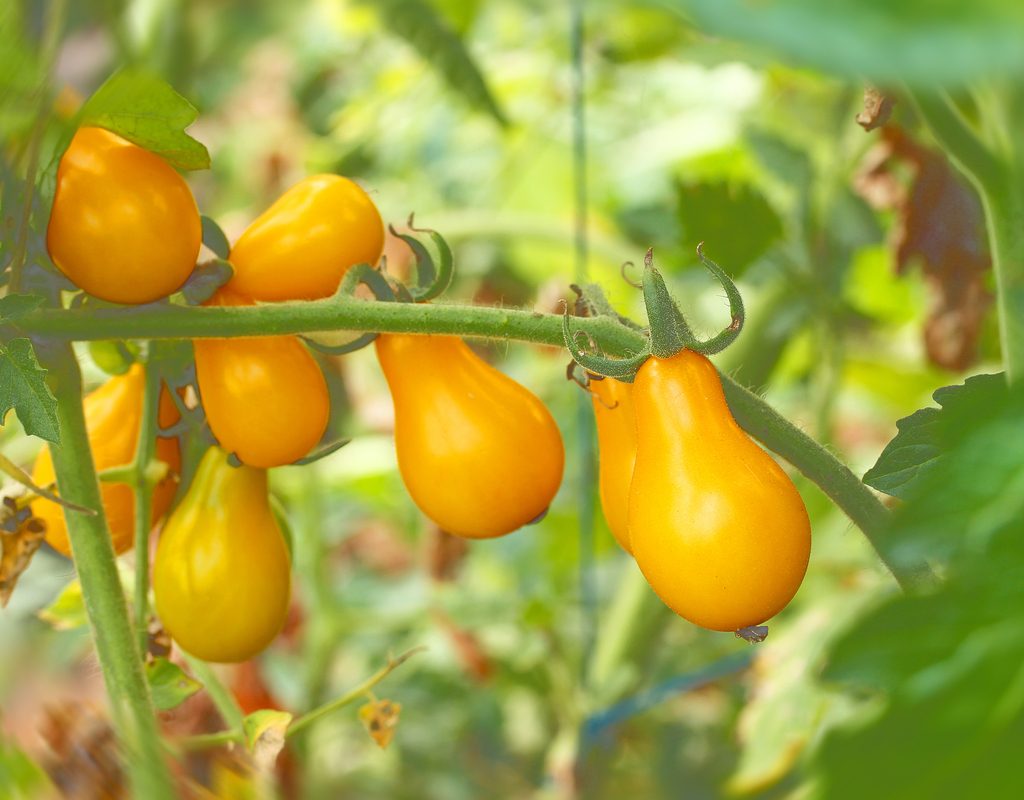
Another excellent heirloom is yellow pear cherry tomatoes. These sweet and tangy yellow tomatoes are less common in vegetable gardens, but they’re heavy producers. You can add them to salads and flatbreads or eat them whole as a snack.
If you want something classic and closer to what you might find in your local grocery store, then celebrity tomatoes may be the best fit for you. These red globe tomatoes are well rounded, perfect for sandwiches, pizzas, and pastas.
Planting tomatoes
Once you’ve decided what kind of tomatoes you want to grow, it’s time to plant them. Here's how:
Step 1: Start seeds indoors during winter or get nursery starts in spring.
Many gardeners choose to plant nursery starts instead of seeds, as they are quicker and more reliable.
Step 2: Harden seedling off by setting your seedlings outside, in a sunny, protected area and gradually increasing the time they spend outside over the course of a week.
Hardening off allows the seedling to adjust to the elements slowly, decreasing the risk of shock.
Step 3: Choose a planting site with rich, well-draining soil.
Step 4: Plant them in full sun, especially in cooler, northern regions.
In hot, southern climates, providing light shade during the hottest part of the day can help prevent sunburn.
Step 5: Plant them outdoors only after the last frost has passed.
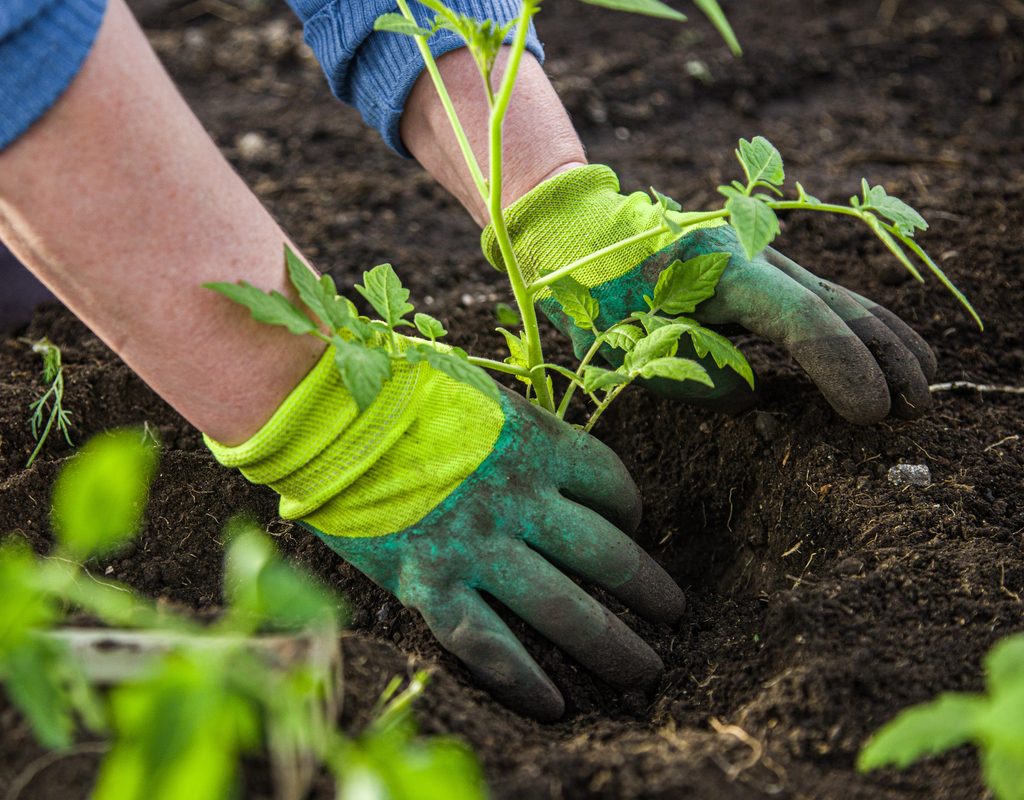
Step 6: Dig a hole that is larger than the roots of the seedling.
Part of the stem may be underground. Additional roots will grow from the buried stem, which results in a larger root system.
Caring for tomatoes
After planting, follow these steps to care for your tomatoes:
Step 1: Provide your tomato plant with a tomato cage or garden stake.
Tomato plants without this support may lean over or even brush the ground. This increases stress on the plants and leaves them more vulnerable to pests, diseases, and fungi.
Step 2: Give your tomato plant roughly 2 inches of water a week for the first few weeks, then reduce to 1 to 1.5 inches per week.
Step 3: Avoid watering them from overhead, as this increases the risk of fungal infections like anthracnose.
Step 4: Add a layer of mulch around the base of your tomato plants to help the soil retain moisture and suppress weeds.
How and when to harvest tomatoes
This is what you need to know about harvesting tomatoes:
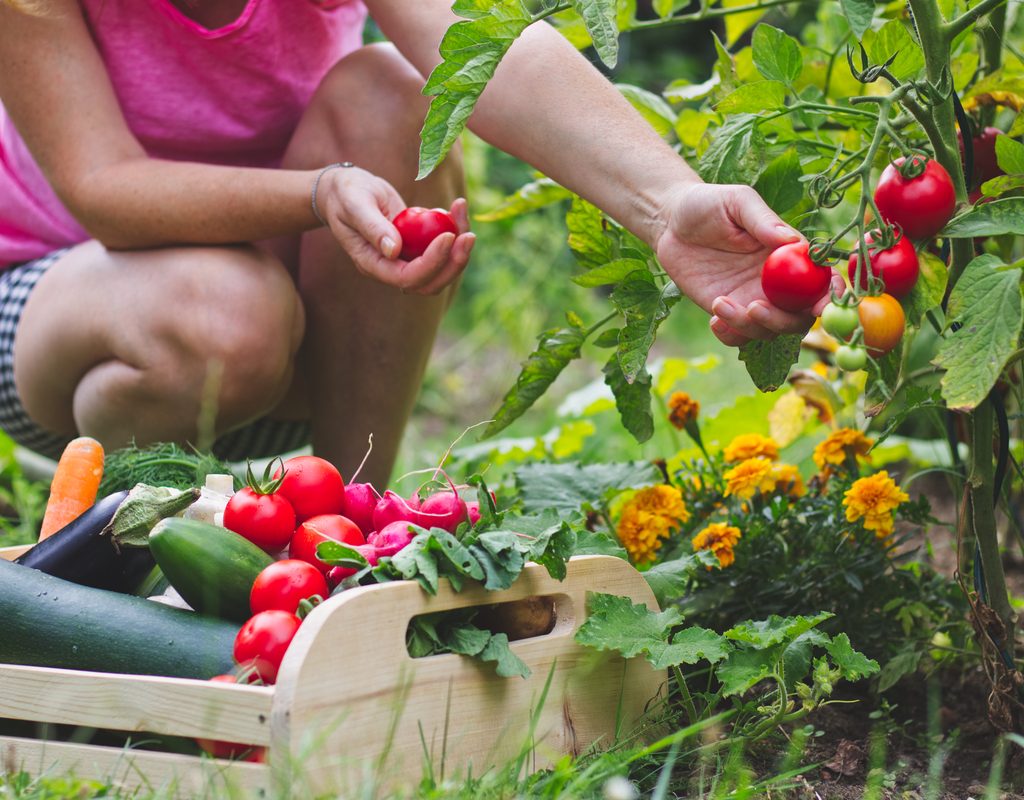
Step 1: Harvest your tomatoes in late summer to early fall, when they are the color associated with their mature state (this is red for most varieties).
Step 2: Harvest tomatoes just before they are ripe and allow them to finish ripening in your kitchen.
Harvesting them at peak ripeness is effective if you plan on using them immediately. However, if you want your tomatoes to last, harvesting them slightly before they’re ripe is ideal. Harvesting your tomatoes a little early also protects them from pest and fungal damage.
Step 3: Gently but firmly pull the tomatoes off the vine.
Step 4: Avoid squeezing or crushing the tomatoes, as this can damage them.
Tomatoes are delicious, easy to grow, and come in a much wider range of sizes, colors, and flavors than you might expect. Take care not to plant them too early, when there is still frost on the ground. Make sure to plant them in full sun and water them thoroughly. When your tomatoes are ready for harvest, you’ll be grateful for the time and effort you put into raising these wonderful plants.