
Halloween, or All Hallows’ Eve, is a night that means many things to many people. For kids and their parents, it’s a night to dress up in fun or scary costumes, walk around town, and get candy. For others, it can mean haunted houses and scary movie marathons. For the superstitious, it’s a night to be wary of and to be careful not to cause disturbances between that which we see and that which we feel. And for the powers that be — the witches, the warlocks, and the gardeners — it’s a time to head out to our Halloween outdoor herb gardens and celebrate the bountiful harvest that awaits us.
If you’re new to it all, you may wonder how to choose herbs for Halloween. It all has to do with a mixture of how much care these herbs need, how well they grow in colder conditions, and what they’ve meant and symbolized throughout history. So grab your witch’s broom (and your protective gardening gloves) as we look at a few of the most Halloween-appropriate herbs you can grow this season.
Witch hazel
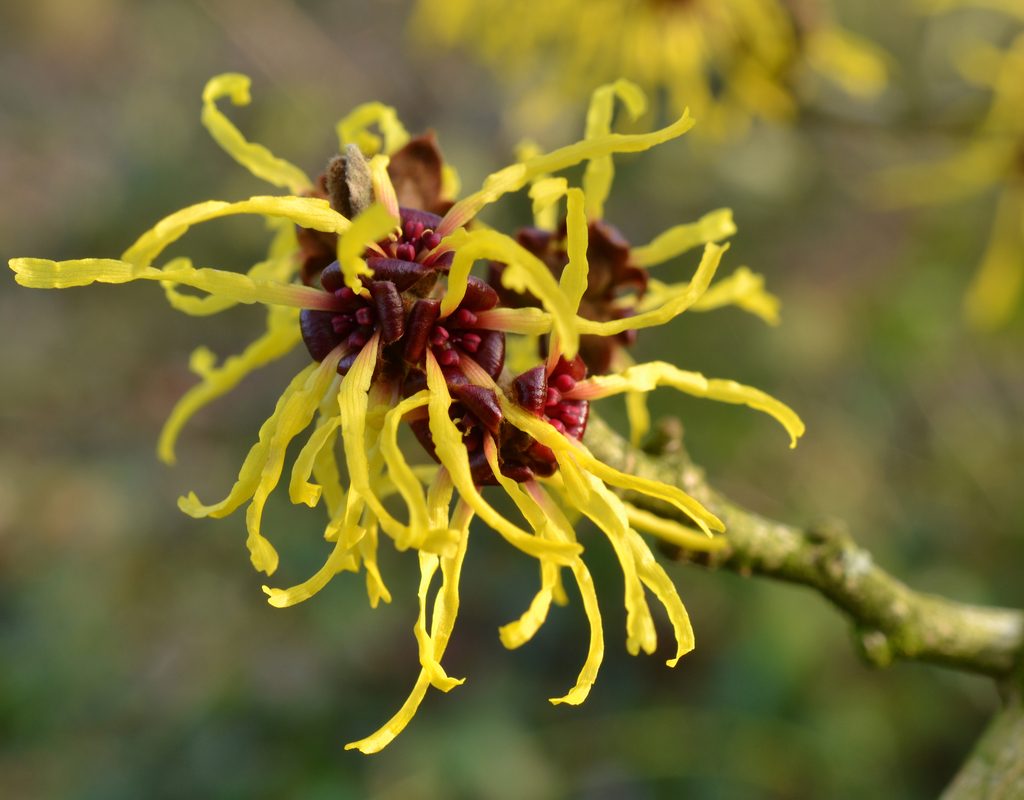
Witch hazel is a hardy plant that needs cold temperatures in order to produce its well-known yellow blooms. That’s why if you grow this plant, you won’t see it start to flower until the fall (which is perfect for Halloween). It will even continue to flower into the winter. Witch hazel is great for garden beds, borders, or containers, and it has a lovely fragrance you’ll no doubt enjoy having around while you sit on your porch waiting for trick-or-treaters.
How to grow and use witch hazel
In modern times, you’ll see witch hazel in a variety of products, from facial cleansers to aftershave lotions. It’s said that Native Americans were the first to discover that witch hazel bark has medicinal and therapeutic qualities when it’s boiled into tea or made into a poultice. It has become known for shrinking inflamed tissue and soothing irritated skin.
This beautiful shrub is often used in winter landscaping to keep your garden looking fresh for as long as possible; however, it would make a great addition to a Halloween-specific bed: the flowers look a bit spidery! This plant is also relatively easy to grow and care for. Witch hazel shrubs are resistant to some pests and diseases but susceptible to aphids and powdery mildew.
Light needs: Full to partial sun
Water needs: Enjoys consistent moisture but hates being soggy
Soil needs: Well-draining, rich, loamy soil; prefers moist conditions
An eerie and spooky history
Witch hazel tea isn’t only used for therapeutic reasons. Some in the past have believed that drinks made from the plant’s leaves and bark could heighten occult powers; modern-day witches may use the magical herb to ward off evil and help people heal their broken hearts. Not only that, but the branches of witch hazel were once used as divining rods to help people locate underground water, spurring the idea that the plant was a “devil’s tree.”
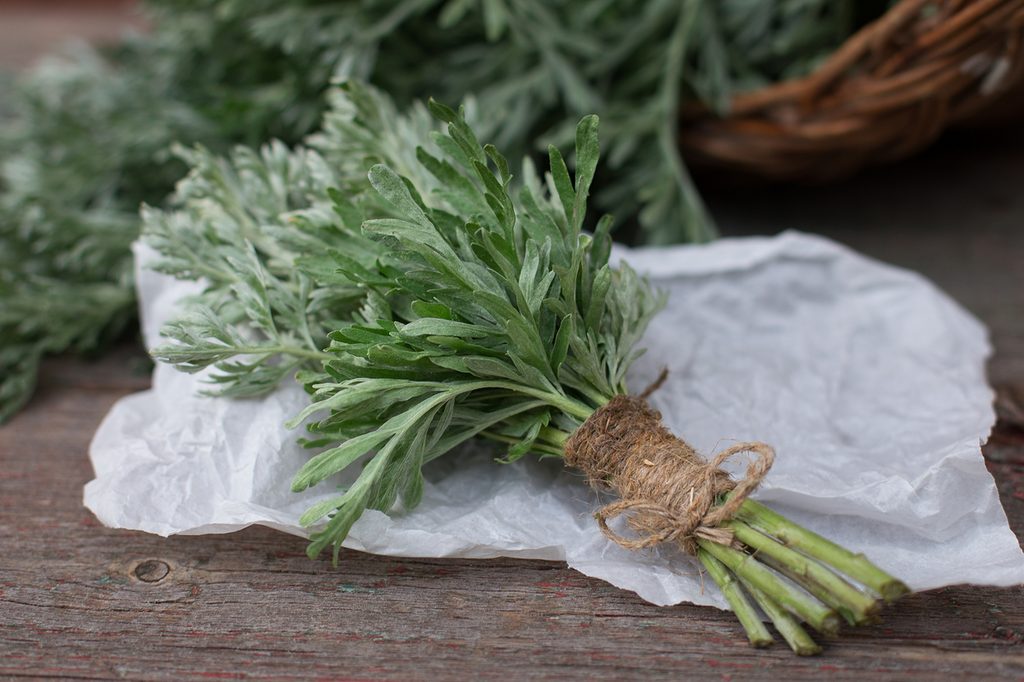
Mugwort
Mugwort is one of over 300 species in the Asteraceae family, and a strong one at that. This plant has woody roots that lend themselves to the strong support a mature mugwort needs at a six-foot height. Mugwort has eerie gray-green leaves and dark green stems with a purple hue, which makes it a gorgeous decoration for any All Hallows’ Eve celebration.
The common mugwort plant is often confused for wormwood. Though they’re related, mugwort and wormwood are separate species; mugwort leaves have relatively sharp edges while wormwood sports blunt ones.
How to grow and use mugwort
Mugwort is commonly used for culinary, medicinal, and ornamental purposes. In traditional Chinese medicine, mugwort is aged, dried, and lit before being held above the skin’s surface to create a warmth that improves circulation and increases blood flow. You can also use mugwort in herbal oil infusions; however, it’s important to note that consumption of an excess amount of mugwort will cause gastric problems. This herb isn’t suitable for anyone who is pregnant.
Likewise, this plant may not be suitable for your garden. Mugwort roots release chemicals that can hurt and hinder your surrounding plants. If you choose to grow mugwort, it’s best to do so either in a mugwort-specific garden bed or in planting containers that can be placed on your porch or aesthetically around the yard.
Light needs: Full sun (preferred) to partial shade
Water needs: Drought-tolerant; water only when dry
Soil needs: Slightly moist, well-draining soil
An eerie and spooky history
Mugwort’s history is very vast and much less spooky than other Halloween herbs. The Aztecs considered it a sacred plant, and it was used in ancient China, Europe, and Japan to keep evil at bay. Witches are said to have used the plant to promote lucid dreaming and enhance their psychic powers. When the flower tops are dried and placed in a pouch under a pillow, they’re said to encourage vivid dreams.

Sage
Known for its flat, gray leaves, sage is a common Mediterranean herb that does well during the cool weather in spring and fall. It’s a moderate grower, capable of growing up to 2.5 feet tall and 3 feet wide in ideal conditions. You can grow it well into late fall, which means that you can incorporate it into dishes and burn it not only around Halloween but also Thanksgiving.
How to grow and use sage
Boasting an earthy flavor, sage is most commonly used for culinary purposes as an aromatic spice — you can find it in soups, butters, and meat marinades. It’s not very delicate, so you can certainly add it at the beginning of your recipes as opposed to sprinkling it on as garnish. Plus, it’s possible to dry sage for future usage, too.
Sage is packed with antioxidants and vitamin K — the latter is great for supporting bone and heart health. It’s been incorporated into traditional medicine and healing rituals, particularly in Native American, Egyptian, Greek and Roman cultures. It’s also known as Salvia officinalis, which is apt because the Latin word “salvere” means “to be in good health.”
Light needs: Full to partial sun
Water needs: Does well with moisture but does not tolerate being soggy
Soil needs: Loamy, well-draining soil
An eerie and spooky history
You’ve probably seen people burning sage to ward off bad energy. There’s definitely history behind this ritual — people like the Celtic druids, were said to have burned sage to ward off evil spirits. Native Americans have also burned sage to bless people and locations, embracing its cleansing properties in a ritual called smudging.

One herb to never plant: Deadly nightshade (belladonna)
Perhaps one of the most well-known mystical herbs is deadly nightshade, or belladonna. It’s featured in a lot of movies, from “Practical Magic” to “The Nightmare Before Christmas.” Where it should never be used, though, is in your home.
Deadly nightshade is a branched perennial with dark green, uneven, oval-shaped, pointed leaves that grow anywhere from three to 10 inches long. The flowers are dull purple and shaped like bells, which can appear quite delicate; however, the darkness of the flowers and the berries that follow should be taken as a warning.
Every part of deadly nightshade, from the leaves to the fruits and to the roots, are toxic to humans, cats, dogs, and horses. It’s not an herb that should be purposefully planted, especially since it grows and spreads rapidly. Being able to identify nightshade can be crucial to your safety, as it truly earns its deadly name.
An eerie and spooky history
Belladonna has quite the history to back up its deadly demeanor. In the Middle Ages, the leaves and berries were used to make beauty products that reddened the appearance of a woman’s skin (akin to what we use blush for today) and others that dilated the pupils; however, things went downhill — fast.
The poisonous properties of belladonna, once discovered, began to replace the reputation the plant had earned from being used in beauty products. It became a weapon of choice for assassins. Soon, lore and legend spread that witches and sorcerers were using the herb in occultist potions. When ingested, even the smallest amount of the toxic components in belladonna can cause adults to suffer from confusion, convulsions, delirium, paralysis, severe hallucinations, and even death.
It’s important to know whether the herbs you choose to include in a Halloween garden are safe for you, your family, and your beloved pets. You should always conduct proper research to see how planting certain herbs will affect those around you and your garden itself. In the case of belladonna, you’re better off leaving it out and creatively recreating it with something like blueberries for a “sprig of belladonna” on that Halloween dessert.
And don’t forget: on the spookiest night of all, when the veil is thin, be sure to hang some garlic by your door to ward off impending evil and watchful vampires.