Almost every indoor gardener has that one houseplant that just won’t die. You know the one. It’s probably sitting on a shelf in front of your living room window right now, and every time you look at it, it makes you wonder, “Can plants live forever?” The answer is, frankly, a bit complicated. Lifespans of plants vary from species to species and are affected by factors like care and environment. There are some truly hardy ones, though, that can survive for years through periods of neglect and inconsistent care.
Spider plants
Spider plants are quite possibly one of the best plants a beginner indoor gardener can have due to their hardy nature (and, really, that makes them great for people whose houseplant collection is quite large). Believe it or not, with proper care, the lifespan of a spider plant is rather… well, indefinite. Many stay alive for over 50 years, often outliving their owners and getting passed down through the family.
Spider plants are a great houseplant for growing in containers or hanging baskets where their leaves and runners can cascade down. They can tolerate a bit of neglect, be it under-watering or not enough light. But be sure not to overwater, as this can cause the roots to get soggy and rot.
Light needs: Bright, indirect sunlight (direct light will scorch their leaves)
Water needs: Moist but not soggy soil; avoid overwatering
Pothos
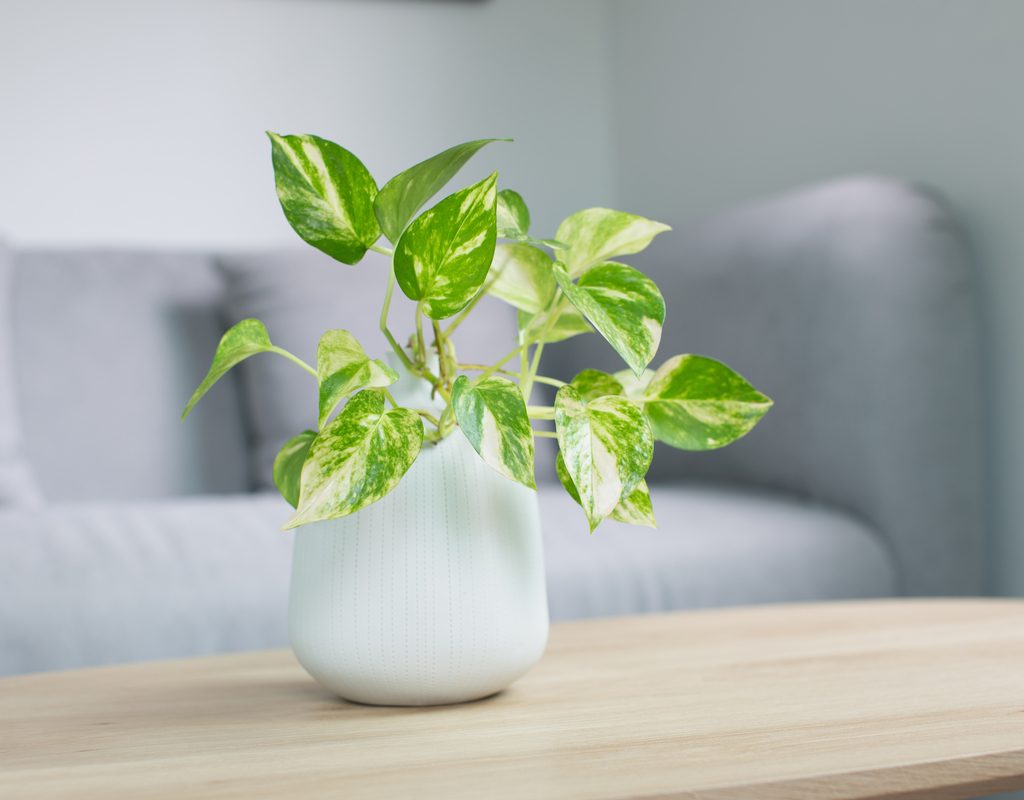
Pothos plants are beautiful vine houseplants most often recognized for their green heart-shaped leaves. Some varieties have yellow or white variegation, and all of them can live around five to ten years on average. Of course, the lifespan of these plants can be shortened depending on the care it gets, the environment it’s in, and any disease or pests that find their way to it.
Pothos plants are often fast growers; however, varieties with white variegation will grow more slowly than their yellow-green and green counterparts. They don’t naturally cling to trellises, but you can train them to grow along hooks on a wall or twine them along a support. Like spider plants, pothos plants are fairly hardy and can handle a bit of under-watering and less-than-ideal lighting conditions. But chances are if yours is refusing to die, you’re doing everything right.
Light needs: Bright, indirect lighting
Water needs: Let soil dry out completely between waterings
Air plants
Air plants have become quite popular in recent years, making their way to northern parts of the world from places like Central and South America. People looking for their first houseplant love them because they can deal with a bit of under-watering and don’t require a pot or soil like regular houseplants. Because they absorb moisture through their leaves instead of their roots, air plants can be displayed however you like in the container of your choice.
Air circulation, frequent watering, and some sunlight are needed for optimal growth. Most varieties of air plants will only live for a couple years on average, even with the proper care. If yours is older than that and still not dying, congratulations! You’ve reached a new level of houseplant care (and will you tell us your secrets?).
Light needs: Indirect light or partial shade for most varieties
Water needs: Soak in a bowl of water once a week for 30 minutes
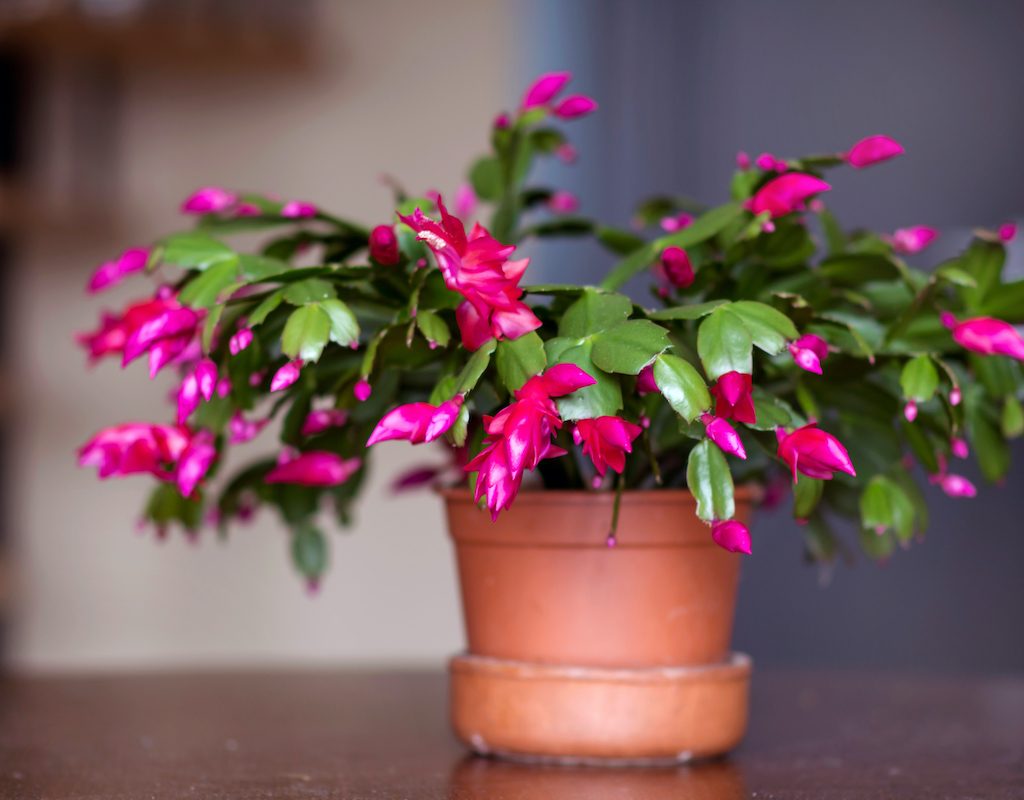
Christmas cactus
The Christmas cactus (also known as the holiday cactus) is one native to tropical rainforests. Like most cacti and succulents, it can fare fine and bounce back easily when not given enough water. Because they like to have their soil dry out between watering, they’re also great houseplants for people who love to travel for a week or two at a time and don’t want to worry about coming home to a dying plant.
Be prepared, though, because a well-loved Christmas cactus can live for upwards of 30 years. Like many long-living plants, they make great gifts to pass down through the family. Their beautiful blooms come in oranges, pinks, purples, and reds, and the more stems it has, the more flowers will bloom.
Light needs: Partial shade or diffused light
Water needs: Soak and dry method (water thoroughly then allow the soil to dry out between waterings)
Jade plant
Jade plants are perhaps one of the most amazing houseplants you could have (and if you find yourself in possession of one, plan to give it to your grandkids one day). They’re succulents, so like the Christmas cactus they can tolerate some under-watering and periods of neglect; however, most jade plants end up living for anywhere from 70 to 100 years old.
Jade plants aren’t very demanding, either, but can be susceptible to disease. Be wary of overwatering them, as that’s something they aren’t tolerant to in the slightest. With jade plants (and with any succulents), it’s always best to have the soil be a bit too dry than too wet. With the proper care, your jade plant can grow to be six feet tall. They’re slow-growing, though, so tend to the plant diligently throughout the years.
Light needs: Bright, indirect light
Water needs: Soak and dry method (water thoroughly then allow the soil to dry out between waterings)
There are quite a few other hardy houseplants out there, namely varieties of succulents and cacti. The lifespans of plants can be undetermined at times, depending on how much studying has been done. You can always look it up if you’re wondering why the one plant you hate just won’t die, or you can chalk it up to being a great houseplant owner (and maybe get yourself a new one in celebration).