
It can sometimes be challenging to know where to put your plants. Not only do you have to consider where they’ll receive the best light, but also where they’ll look good within the decor of your home. One of the best rooms to arrange plants in is in the bedroom. This is the most private space in our homes, and it’s where you should feel most relaxed and comfortable. Of course, nothing creates a relaxing space like plants, but where should you put them? Below, we’ll dive into how you can up your bedroom plant game and ensure that your plants are helping not hindering your beauty sleep.
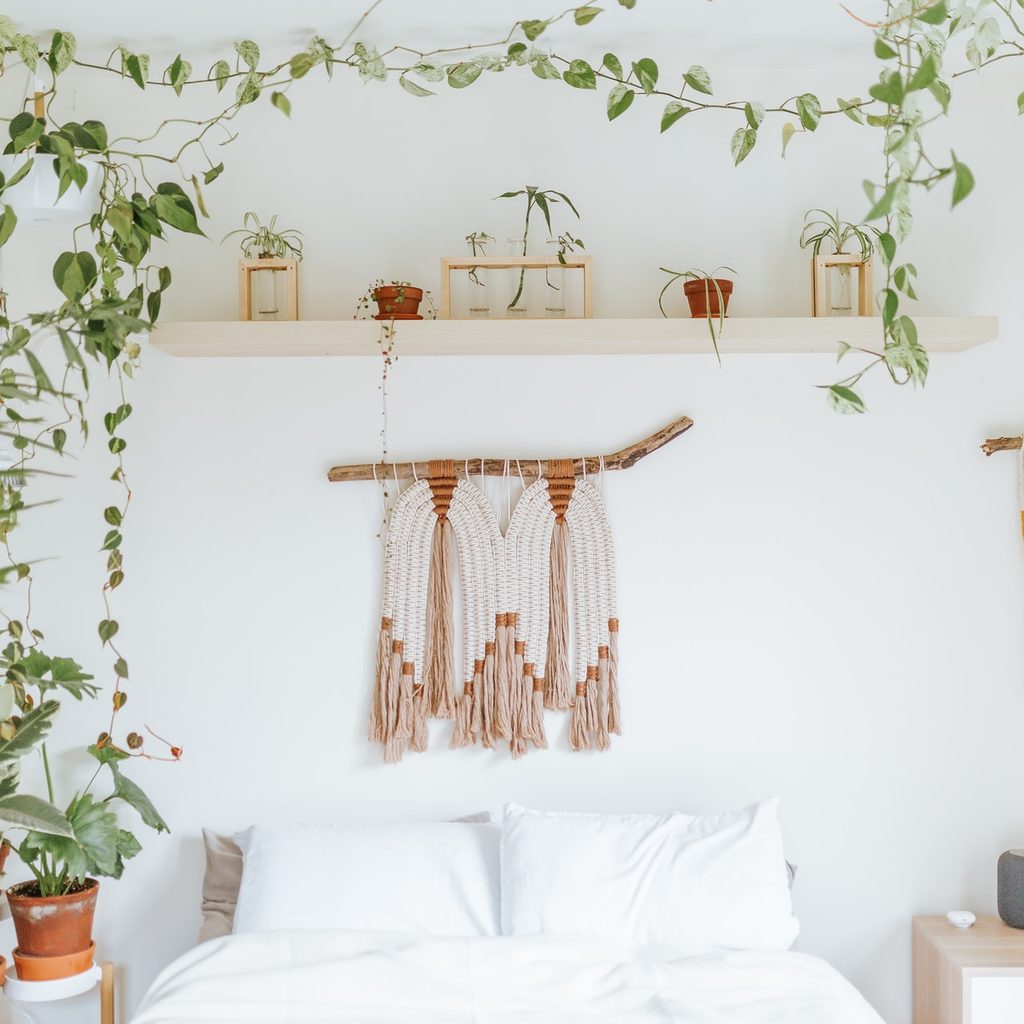
Use houseplants for good feng shui
Feng shui is an ancient technique of arranging a space to ensure it’s connected and in harmony with the natural world. A lot of research goes into fully exploring this topic; you could spend years studying the best practices. However, what’s most important about feng shui and houseplants is that they’re a vital piece to the five elements that should be included in your home arrangement. They represent the wood element that brings flexibility, kindness, and movement to a room.
To know precisely where in the room you should be placing your plants, you’ll want to find a feng shui Bagua map. You can read more about this map here and how to use it. But essentially, this will explain where in the room certain items will serve you best and where those beautiful houseplants should be placed.
Use houseplants to increase humidity
One of the most common reasons we don’t get a good night’s sleep is the lack of humidity. Dry air can put a strain on our respiratory systems without us even realizing it. So if you’re waking up with a sore throat, dry nose, or feeling extra thirsty, you might want to consider adding more houseplants to your room. Plants emit moisture, and adding several to your space around the nightstand will help alleviate those symptoms. You can also add a humidifier to your room and create a high humidity space for plants that light their air more humid.
Consider a lavender plant
You’re probably already familiar with how calming the smell of lavender is to your nervous system. You might even use essential oils in your home and use lavender as part of your bedtime routine. If you’re looking for a plant to put in your bedroom, you might want to consider a lavender plant! That way, you won’t have to use your oil diffuser, and you can add a pretty green and purple living plant to your space. These plants smell amazing and will help calm you down and get you ready for a fantastic night’s sleep.
How to choose the right plant
There’s no correct answer when it comes to which plants you should put in your bedroom. Although there were rumors that some plants could emit harmful gasses at night, those theories have since been proven wrong. The amount of those gases they emit is so low you’d need to pack your room full of plants to see any effects.
The best way to choose the right plant for your bedroom is to consider the lighting, humidity, and space considerations to accommodate the plants. For example, if you have a bedroom that gets hardly any natural light during the day, you’ll probably want to avoid bringing in a plant that needs bright indirect light. However, if you have a room that gets beautiful morning and afternoon sunshine, you can open up your options and choose plants that love lots of sunlight. Putting a plant in a room simply because it looks nice isn’t likely to turn out well for you or the plant. Consider the plant’s needs and choose which will suit your bedroom best that way.
The best plants for the bedroom
While there is no correct answer, here are some of the plants that experts say will suit your bedroom best.
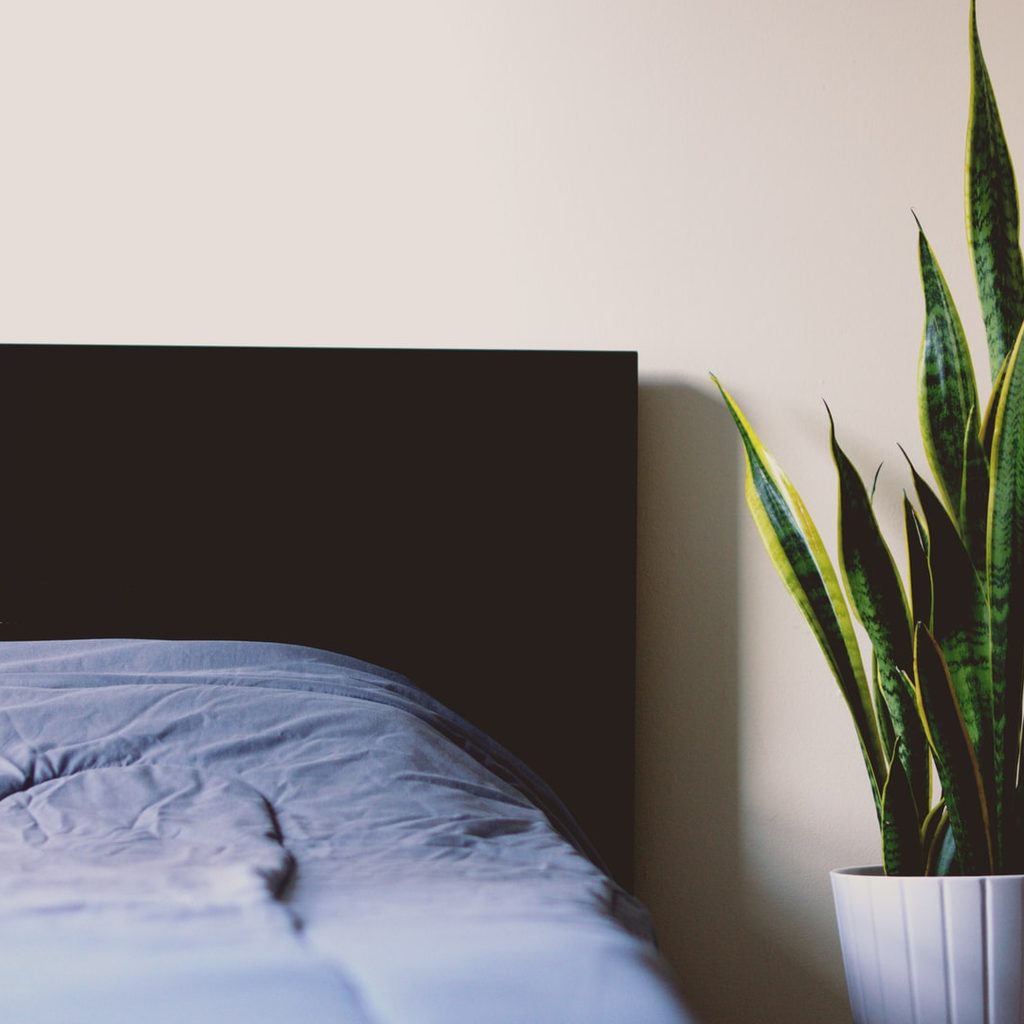
- snake plant
- heartleaf philodendron
- English ivy
- golden pothos
- spider plant
- rubber plant
Some of us have an eye for what looks good in a room. These lucky people can easily arrange their bedroom furniture, decor, and houseplants and create a luxurious space that promotes calm and peaceful nights of sleep. Unfortunately, not all of us share this skill and need a bit more help. Use these tips to help create a luscious and beautiful plant haven in your bedroom. Try not to overthink it, and be sure to choose plants that will thrive in the conditions your bedroom has to offer.