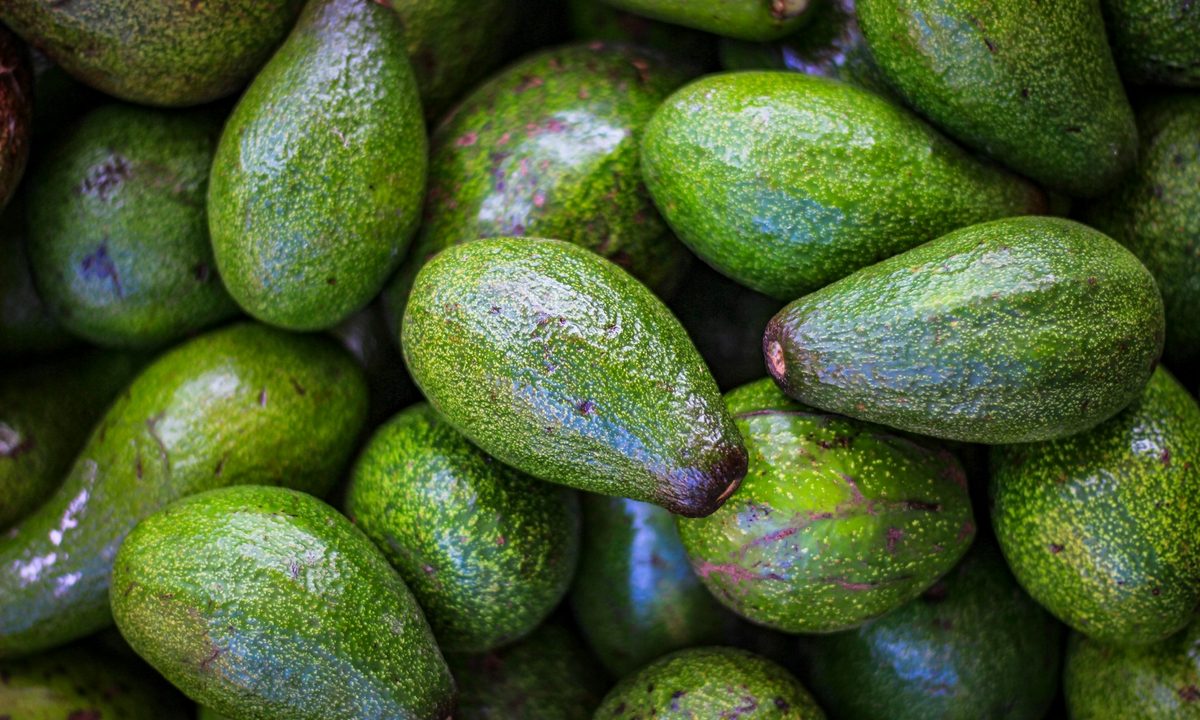
Avocado trees may have originated in Central and South America, but today, the plant is enjoyed all around the world. While you can get your avocados imported, you may be able to grow your own, depending on where you live. Long story short, the avocado growing zone consists of hot and humid climates, so don’t try to plant one in Siberia. Still, there are plenty of places in the U.S. that can sustain an avocado tree! If you want to try harvesting your own delicious avocados, here is what you need to know about where they grow best.
Preferred climates for avocados

Avocados can only grow in warm weather and subhumid climates, primarily tropical and Mediterranean temperatures that stay warm year-round. Being a tropical plant, the avocado tree hates growing in any temperature below 50 degrees Fahrenheit. That said, mature trees can tolerate temperatures as low as 30 degrees Fahrenheit for a short period.
In terms of humidity, avocados prefer a climate with a percentage of around 60% to 80%. While avocados can grow in dry climates with 40% humidity, problems may spring up with the fruit or tree. Generally speaking, avocado trees need lots of moisture and nutrients from the soil.
Where is the avocado growing zone?
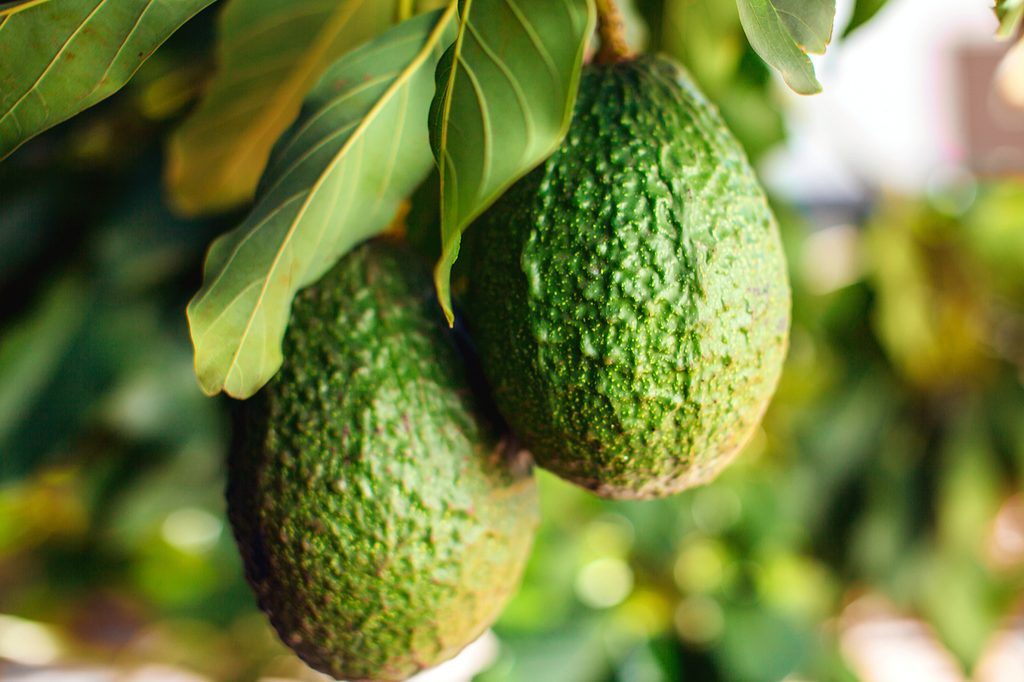
Because of the specific growing requirements for avocado trees, you won’t find them in most of the U.S. They only grow in the U.S. Department of Agriculture plant hardiness zones 8 through 11, but they don’t thrive in these. The only states where avocados are substantially grown are Florida, California, and Hawaii, which grow over 200 varieties of the plant.
A brief history of avocados in the U.S.
After being cultivated in Mexico and Central America, the avocado came to the United States around the 19th century. Avocado trees arrived in Florida in 1833, then to California in 1856. But avocados didn’t gain much traction outside of Florida, California, and Hawaii for a while.
It wasn’t until the early aughts that the avocado became a mainstay in American diets. In the 1990s, avocados became a smash hit when marketers started promoting guacamole as a staple Super Bowl snack — prior to that campaign, the avocado was mostly perceived as an exotic luxury fruit outside of the southwest.
When is the best time of year to grow avocados?

If you happen to live in one of the lucky states that can grow avocados, the best time of year to plant your avocado tree outdoors is during spring in the window period between March and June. You want to avoid planting young trees during the summer, as they may be more prone to light and heat damage. When you plant your avocado tree in the spring, you can also help it establish strong, healthy roots before the shock of cold winter weather.
To plant your avocado tree, make sure the hole is slightly wider than and just as high as your root ball. Remember that in any case, it’s best to start with a tree instead of a pit from a fruit you picked up at the grocery store — you’ll get more robust fruits this way.
Growing avocados on your own

If you want to try your hand at growing your own avocado trees, be prepared for a lot of work with potential failure because of the specific temperature and humidity requirements. The trees require regular watering so the plant can grow strong and produce fruit. If the plant doesn’t get enough water, or you live in an area prone to droughts, then the trees won’t grow. Thankfully, they don’t require a lot of pruning. Only dead or dying branches should be cut off, preferably with a high-quality pair of pruners.
If you live in less-than-ideal climates, you can still grow avocado trees, but they won’t be in your backyard for most of the year. Grow them in containers in warm sunrooms and greenhouses where the winter temperatures remain above 55 degrees Fahrenheit in the winter and between 75 and 85 degrees Fahrenheit in the summer. You can then move the tree (very carefully) into your summer garden before moving it back indoors when fall arrives.
World regions where avocados grow best
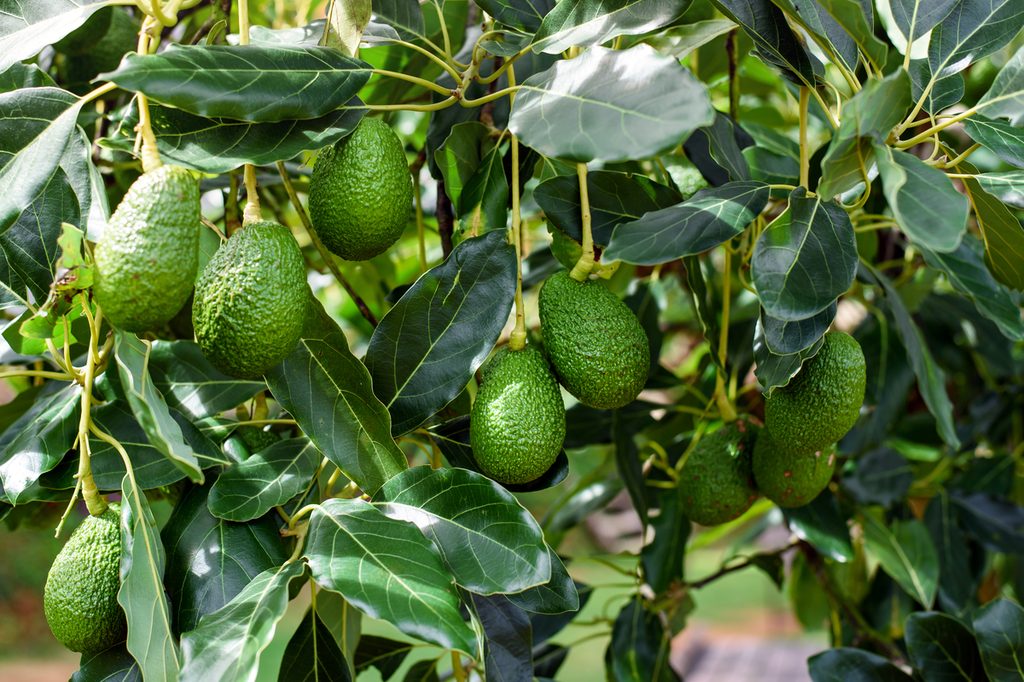
The U.S. doesn’t grow anywhere close to the world’s supply of avocados. Countries such as the Dominican Republic, Australia, and Mexico provide the world with their avocado supplies, and for good reason. Mexico’s commercial avocado farms run across 400,000 acres throughout the country. Other countries, such as Peru, Colombia, and Indonesia, also have a hand in avocado production,n but to a lesser degree.
Surprisingly, Australia has a large avocado industry, with 70 varieties grown throughout the country. The plant was first introduced to the continent in the mid-19th century, where the seeds were planted in the gardens of royalty — the hot and humid climate made for the perfect growing conditions. It wasn’t until 2010, 150 years later, that Australia started exporting its avocado supply to other countries.
Can you grow an avocado tree from a grocery store avocado?
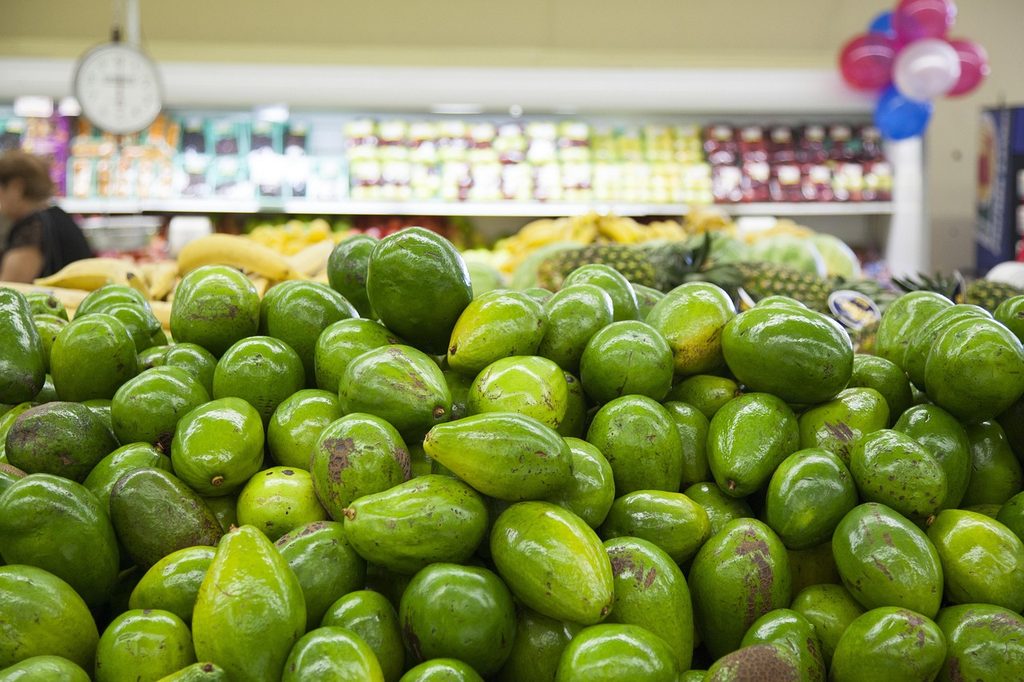
Yes, you can! While growing an avocado tree from the pit requires a lot of patience and care, it is doable. Some grocery stores treat root vegetables (such as ginger and potatoes) with a growth inhibitor to stop them from sprouting in the store, which can make planting them tricky. Since the avocado pits are inside the avocado, you don’t need to worry about that. Simply remove the pit from the avocado without damaging the pit and prepare either a jar of clean water or a pot of fresh soil. Gently wash the seed in plain water to remove excess fruit, especially if you plan on rooting the seed in water.
To root your avocado seed in soil, simply use a light, well-draining soil blend and plant your seed in it. Rooting in water is a little more complicated, as you’ll need to keep the seed suspended to that it is partially submerged and partially above the water. Gently press three toothpicks into the seed, spread evenly around the seed. The toothpicks should be pointing up and out, with the broader end of the seed at the bottom and the more narrow end at the top. When you set them in the jar of water, the toothpicks should keep the seed submerged about halfway, so that the top is above water and the base is below it.
Avocado trees are notoriously fickle plants, requiring very specific temperatures and humidity levels to grow effectively. While some avocados are grown in the U.S., most of the country does not have the needed moderate temperatures year-round to effectively grow the plant. If you want to grow your own avocados, you will need a greenhouse or hot sunroom — and, of course, lots of patience.