There is a time in almost every gardener’s career where they end up with an abundance of produce. Whether it’s tomatoes in August or potatoes in the fall, it can be overwhelming to figure out what to do with all that fresh food. After laboring over the garden all season long, the last thing you want to do is watch all that lovely food go to waste, but there are only so many cucumbers you can eat before getting sick of them! To help you reduce the amount of waste in your garden, here are some ways you can preserve, prolong, and share your garden bounty.
Preserving your harvest
The first and most obvious way to spare your veggies from the trash can is by preserving them, but there’s more to preserving than just canning. You can pickle and ferment a lot of veggies in your garden as well. This not only gives you more options but also more variety in flavors.
Canning
Canning the produce from your garden has become increasingly popular as backyard gardens are making a comeback. It’s a great way to save extra food and then have fresh home-grown produce even in the dead of winter. Just remember that canning is a cooking process, and your softer or overripe produce might turn to mush in the process, so it’s best to stick with more firm or less ripe options when you can.
Pickling
Pickling isn’t just for cucumbers, and it doesn’t always have to be done with dill either. You can pickle just about anything, including onions, beets, radishes, carrots, green beans, peppers, and much more. You can add whatever spices you like as well, like garlic, thyme, cumin, red pepper flakes, and any other seasoning from your garden or pantry. Pickling can be done in a similar process to canning or in the refrigerator. Make up a few jars of pickles, leave them in the fridge for a week, and they are ready to eat. Or you can pickle them, can them, and have them last much longer in your pantry.
Fermenting
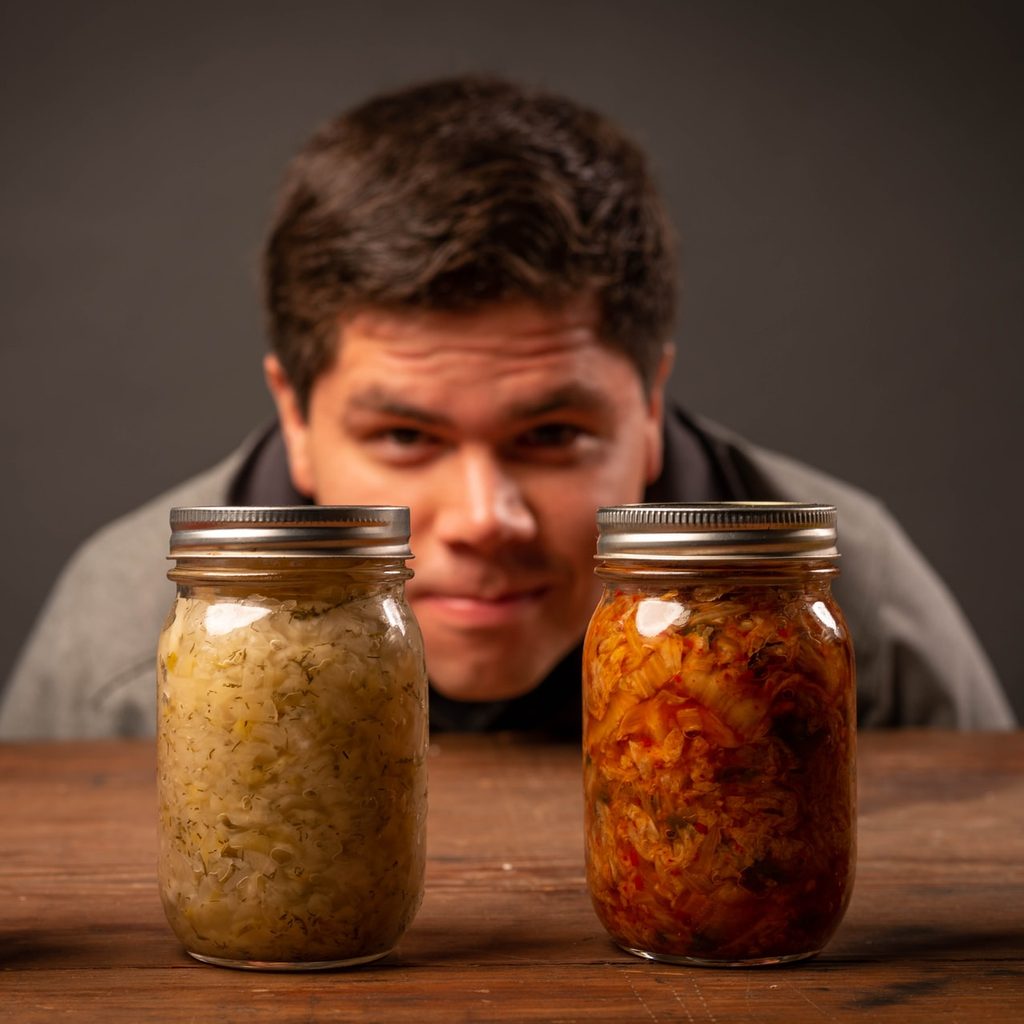
Although it’s less popular than pickling or canning, fermenting is a fantastic way to use up a lot of produce. Fermented foods are excellent for gut health and make good side dishes, toppings, or snacks. You might think of fermented foods as just sauerkraut, but you can ferment lots of other veggies. Things like yogurt, kimchi, kombucha, and sourdough bread are also versions of fermenting. So save your veggies and your gut and try your hand at fermentation.
Bulk batches
Everyone loves a good Costco run where we bulk buy items we use all the time. You can do the same thing with your own produce! Many foods can be made ahead of time and saved in the freezer for months. There are many recipes out there for these types of meals, but here are some of our favorite ways to use up that fresh produce.
Muffins
You’ve probably heard of zucchini bread, and while chocolate chip zucchini bread is delicious, it can sometimes go bad before you finish the loaf. Muffins are ideal for using up a lot of zucchinis (you can throw some carrots in there too), and you can freeze them individually and only take out a few at a time. This way, the others stay fresh, and nothing goes to waste. Of course, you can also use this same technique for carrot cake or any other baked good.
Fritters
With an excess amount of potatoes, you might want to try your hand at fritters. These, too, can be frozen individually and taken out one at a time. They make great snacks or sides to eggs and bacon. Of course, you can toss in a lot of other veggies you might have an abundance of as well.
Soups
Watch any old movie with a homesteading family, and you’ll likely see them eating soup for almost every meal. Soups and stews are easy and delicious ways to use up a lot of food while still creating something healthy and tasty. Soups also freeze well and can be thawed and heated up for a quick and easy dinner. Try your hand at carrot soup, beet soup, potato soup, vegetable stew, and mushroom soup——we’ll stop there because there’s no shortage of soup recipes you can try out.
Casseroles
Kind of like soup but with less liquid, casseroles are cheap and easy meals that parents around the globe have been using to fill little bellies for years. You can use anything under the sun in a casserole and it will come out delicious. If you also care for chickens and have an overwhelming amount of eggs, you can try a breakfast casserole to use up your eggs and your veggies. It’s a win-win!
Crop swaps
Now that your freezer and pantry are full of goodies to last you through winter, you might be wondering what to do now. Your family can’t handle any more squashes, and you can’t fit any more jars on your shelves. CropSwap is an excellent option for getting rid of the veggies you have too much of and getting more of what you don’t have enough of. It’s an easy-to-use app that gardeners across the country use to swap their extra potatoes for someone’s ears of corn. Download it here and try it out!
Find a food bank
Lastly, you could use this link here and find a food bank near you to donate some of your extra produce to. It’s a great way to give back, especially when you’re on a budget but still want to help out.
Sometimes we gardeners get too excited and over-plant for what our family actually needs or will be able to eat. Use these awesome tips and tricks to preserve, share, and give back, all while not letting any of your beautiful vegetable harvest go to waste.