Changing seasons often means changing your garden as well. For flower gardens, this might mean uprooting your geraniums and planting some marigold, but what about vegetable gardens? What should you do to best prepare your garden for fall, and why? What are some of the best vegetables to plant that are harvested in fall? We’re here to provide the answers in this simple guide to preparing your vegetable garden for the changing seasons.
Why is it important to prep your garden for fall?
Transitioning your garden for fall helps protect any perennial plants you have from the cold, and it gives you a chance to switch out your crops. Different plants have evolved to react to the changing seasons in different ways. Some plants are sensitive to frost, and transitioning your garden can help them survive until spring. Other plants go dormant or die completely when the weather begins to cool, meaning that they won’t be producing anything for you to harvest. Switching your crops out allows you to continue to produce vegetables throughout the season.
Switching out your plants
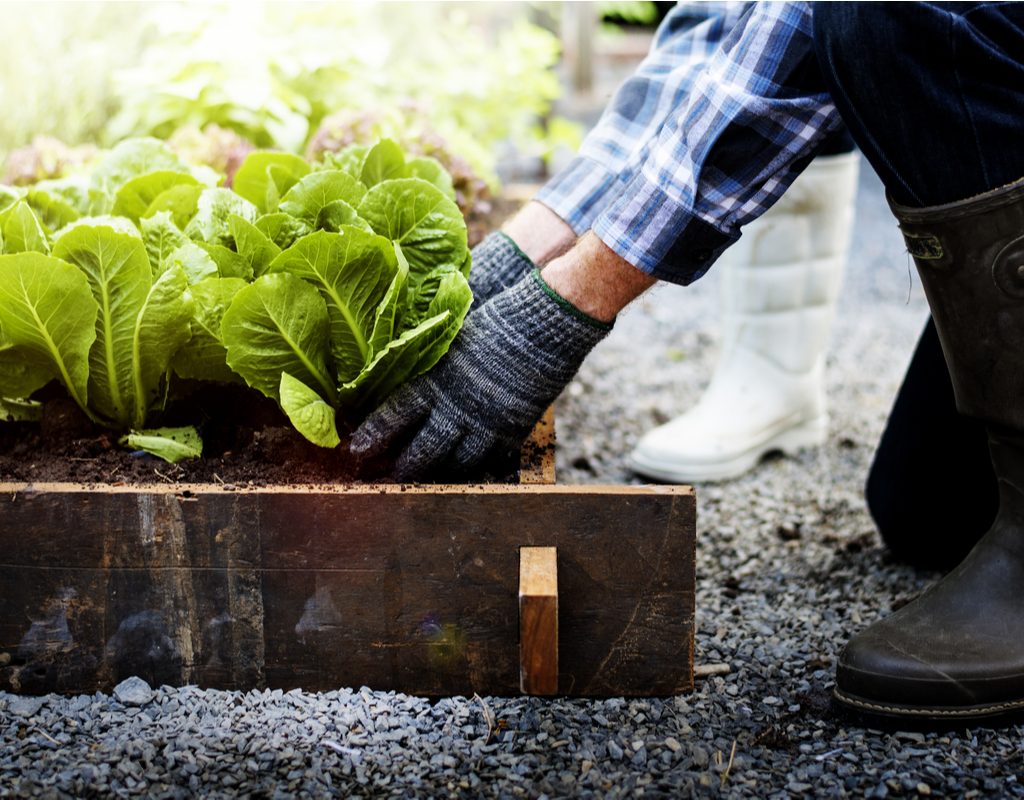
There are two main types of crop you can plant when transitioning your garden for fall. You can plant cold-hardy, quick growing vegetables in late summer or early fall for a fall harvest. You can also plant slow growing vegetables to grow throughout fall and lay dormant over winter for an early spring harvest. You can even plant some of both, although gardeners who live in regions with harsh winters may find it more difficult to grow the latter.
Some great fall crops include:
- Lettuce, kale, cabbage, or other similar vegetables
- Broccoli or cauliflower
- Radishes or turnips
Excellent early spring harvests include:
- Onions
- Garlic
- Carrots
Revitalizing your soil
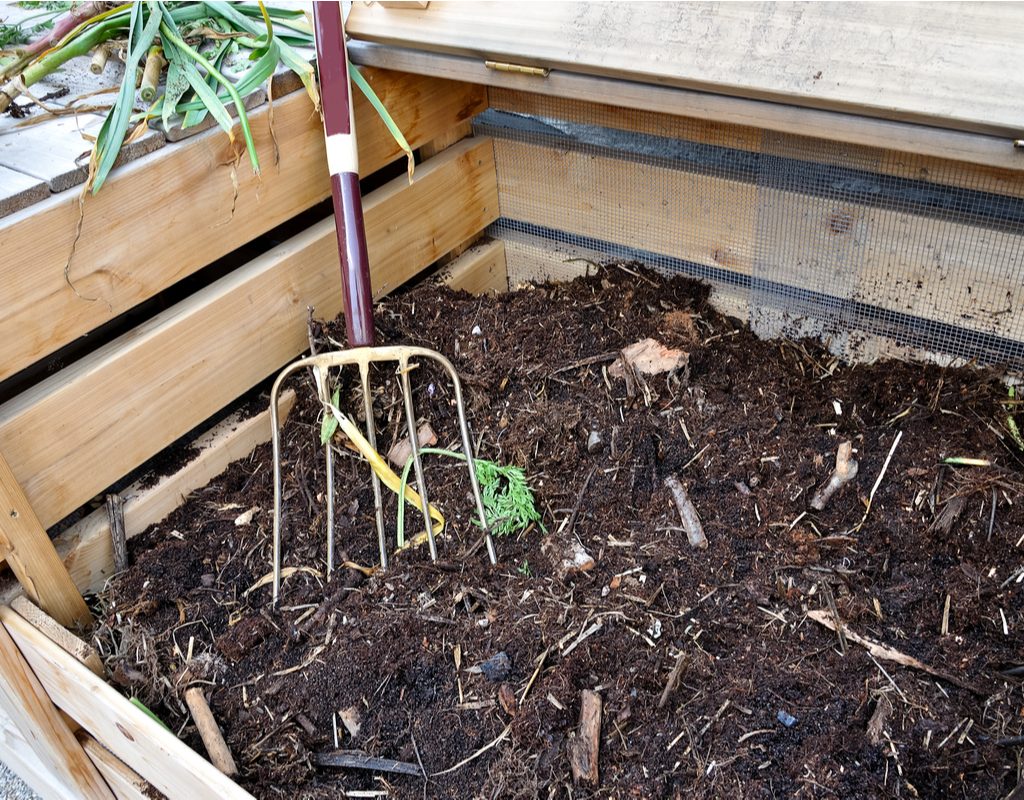
In order to sustain your next round of crops, you’ll need to revitalize your soil. The best ways to do this are with compost and mulch. Start by spreading a layer of compost, a few inches thick, over the top of your garden, then thoroughly mix it into your soil. Be sure to spread the compost through the top six inches of your garden soil in particular, so that your plants have easy access to it.
After you’ve planted your new vegetables, spread a layer of mulch around them. Mulch helps the soil stay warm and retain water. This is especially helpful as the weather begins to cool, as it keeps your plants’ roots safe from frost and helps keep the soil moist while decreasing the chances of the water freezing.
Often, when talking about adding nutrients to soil, fertilizer comes to mind. Fertilizers can be great for providing specific nutrients, but they’re also typically more concentrated than compost. A simple soil test can help you decide if adding fertilizer is right for your garden. If your garden soil is lacking in a specific nutrient or element, then adding a small amount of fertilizer when mixing the compost into your soil can be helpful.
Should you dig up dead plants or leave them be?
After your summer harvest, most of your vegetable plants will begin to wither. So the question is, what do you do with them? For many gardeners, this is a simple question with a simple answer: dig them up to make room for your new plants. This isn’t a bad answer, but it isn’t the only answer, either.
If you plan to leave your garden empty over winter, to let it naturally replenish the soil nutrients, you can leave the plants to die and decay naturally. The dead plants can help protect your soil from the weather, and will eventually become a natural compost. The root systems these plants provide hold soil in place and decrease erosion.
If you do choose to dig your plants up, you can add them to your compost pile to reduce waste. However, check all your plants carefully before digging them up and tossing them into your compost bin. Any plant that looks sick or infected needs to be carefully removed and thrown away to avoid spreading the illness or fungus to your other plants. Additionally, you may find butterfly chrysalises hanging underneath leaves or attached to stems. Butterflies use these leaves and stems as shelter from frost and snow. If you find any chrysalises, leave them and the plant they’re on alone, and you just might have some beautiful pollinators in your garden come spring!
When it comes to fall vegetable gardens, you have plenty of options. From choosing what to plant to choosing whether or not to uproot your summer garden, there are plenty of decisions to be made. Just remember to give your soil a boost of nutrients and a layer of mulch for protection, and pay attention to the harvest times of any vegetables you plant.