Chrysanthemums are a beautiful, easy-to-grow flower. Many gardeners, both casual and experienced, enjoy these plants, but what gardeners don’t love are the pests that sometimes visit chrysanthemums. While chrysanthemums are able to keep many insects away with the natural compound pyrethrin, there are a few pests that can’t be deterred. Not to worry — this is everything you need to do to keep those pests away from your beautiful flowers.
Identify the pests
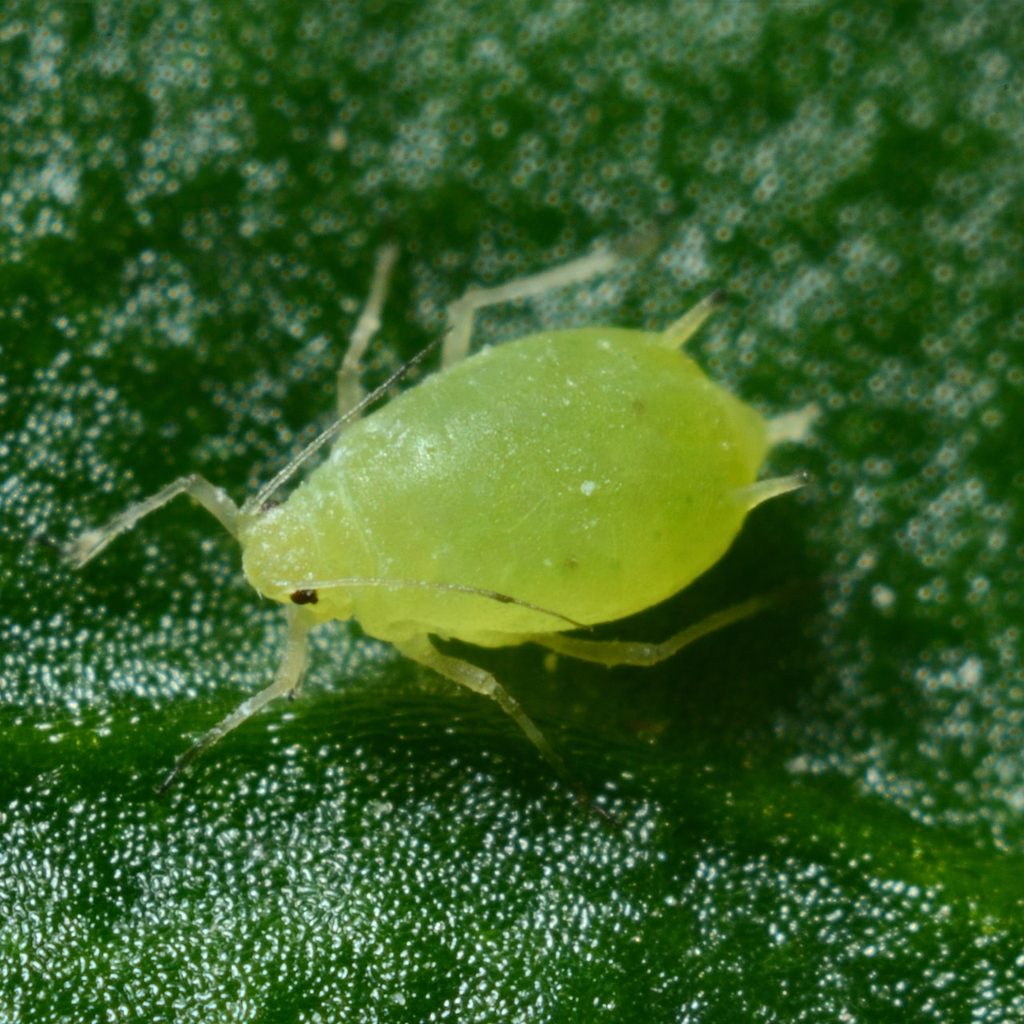
There are three insects that tend to wreak havoc on chrysanthemums. Aphids of multiple varieties are most commonly found on or near chrysanthemums. They’re small and round — often brown, black, green, or white — and leave behind a sticky substance known as honeydew. Some types of fungus will feed on this substance, so if you don’t notice the sticky texture you may notice small patches of fungus on your plant. They primarily target young plants or new growth, draining them of nutrients and resulting in shorter, stunted plants or occasionally death.
Mites, especially spider mites, are even smaller than aphids, making them easy to miss until they’re out of control. Look for small yellow spots on leaves and for leaves developing a dusty or filmy texture. In severe cases, mite infestations cause disfigured leaves and flowers that wilt and lose color. You can also identify mites, which are technically related to spiders, by the small, fine webs they leave underneath leaves.
Leaf miners are another problem, but the actual damage comes from the larva of these flies. The larva lives below the surface on the underside of leaves. They’re easily recognized from the molehill-like trails they leave. These trails, while individually not terribly significant, add up and spell disaster. An infestation of leaf miner larvae can kill the leaves of your chrysanthemum, which can weaken your plant overall.
Preventing pests
These three pests are all fairly small, which makes them a bit harder to keep out. However, there are a few things you can do to help reduce the risk of severe infections. Many of these methods boil down to good gardening habits and maintenance. Regular weeding reduces the available habitat of pests. Increasing the diversity of plants in your garden reduces the amount of food available to specialized pests and can attract beneficial insects, like pollinators and insects that prey on pests.
When watering your chrysanthemums, be careful not to get the leaves wet. Wet leaves can be a breeding ground for fungi and infections, weakening your plant and leaving it open for attack. If your chrysanthemums are indoors, make sure the air isn’t too dry or too cool, for the same reason.
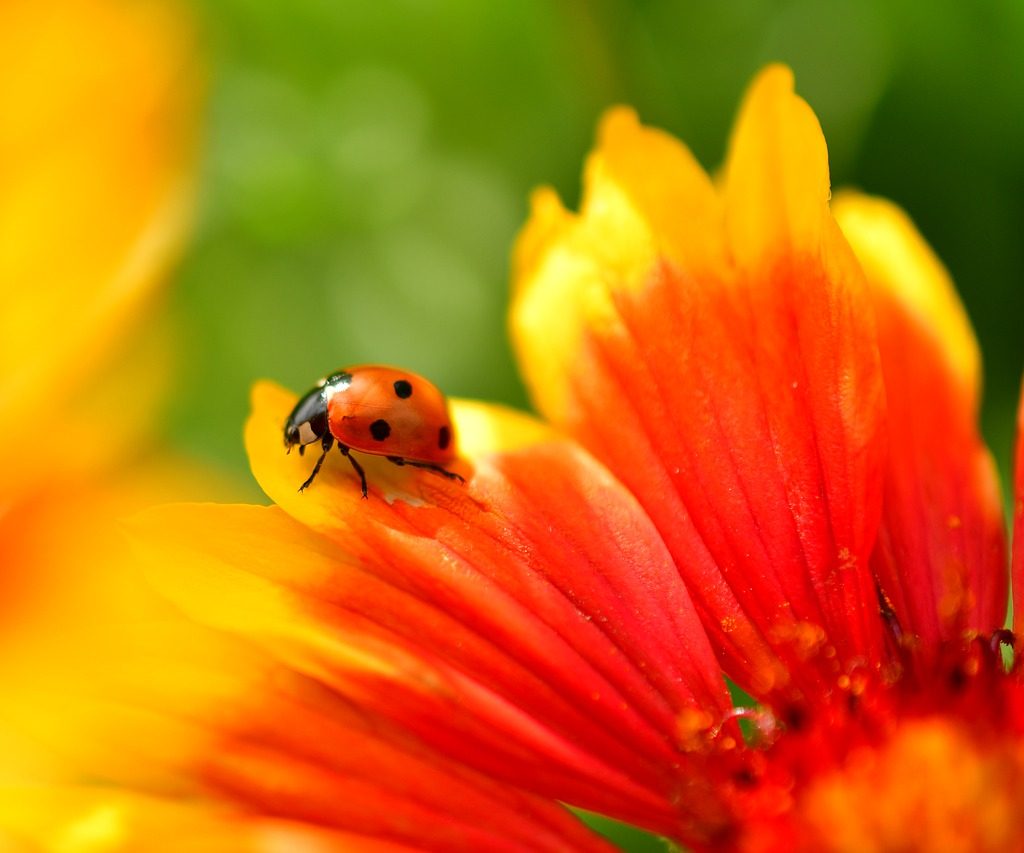
When considering chrysanthemums specifically, you can set some sticky traps out to catch pests, and you can attract ladybugs to your garden. Ladybugs eat aphids and mites, among other pests, making them a wonderful friend for any gardener. Plants such as tansy, marigold, yarrow, parsley, butterfly weed, and dill are all attractive to ladybugs.
Getting rid of them after the fact
Once the pests get onto your chrysanthemums, you have a few options. There are pesticides, such as neem oil and pyrethrin spray, as well as some home remedies. When buying pesticides, be sure to read the label carefully to ensure you are using it correctly and safely.
Insecticidal soaps are also effective and can be purchased or made at home. To make your own insecticidal soap, mix one cup of any oil with one tablespoon of soap. Mix them together, then add two tablespoons of that mixture to one cup of warm water. Fill a spray bottle, and spritz to your heart’s content! Just be sure the soap you use doesn’t contain bleach or any kind of degreasing agent.
If you can see the pests on the surface of the plant, you can spray them off with a water hose. Be careful not to spray too hard and damage the plant! Give your plant plenty of time to dry off afterward somewhere warm and bright — but not in direct sunlight or it may get sunburnt. In severe cases, you may need to remove the infected leaves in order to save the rest of the plant.
Now you know how to identify the most common chrysanthemum pests, how to prevent them, and how to deal with them! Good gardening habits, such as regular weeding and watering below leaf level, can help reduce infestations, but they don’t protect your plants with absolute certainty. Whenever pests strike, catching the threat in its early stages is crucial, and immediate treatment with an insecticidal soap or pesticide of your choice is key.