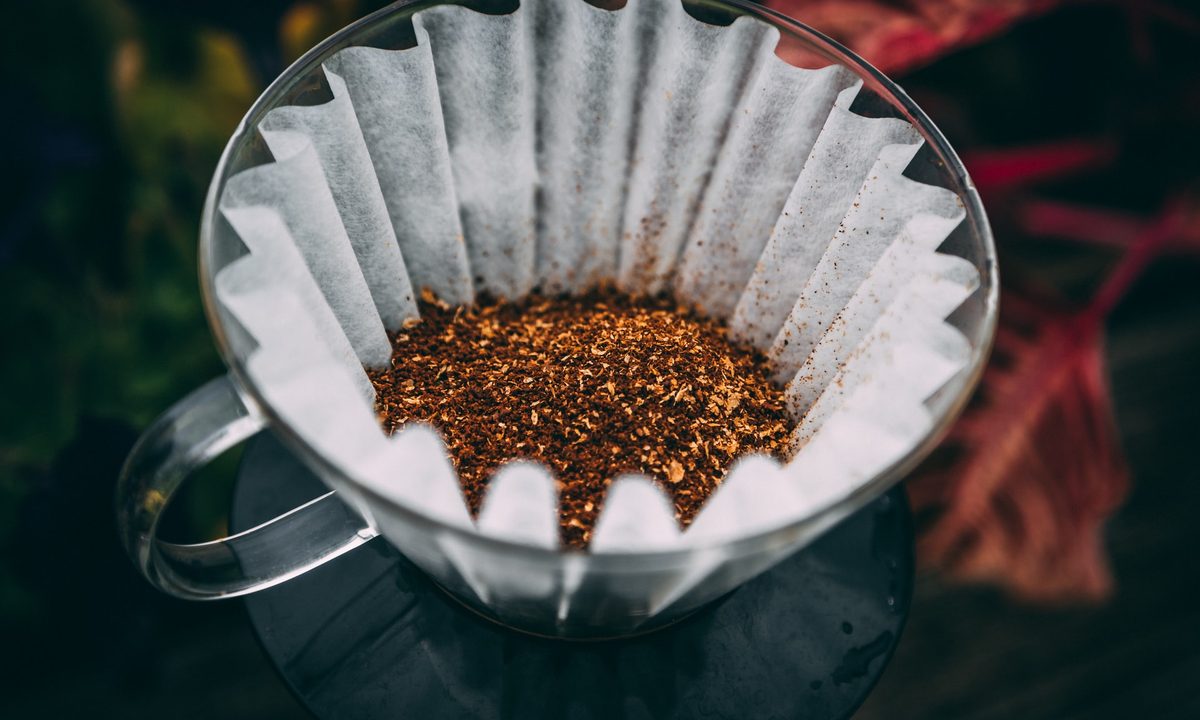
Enjoying a cup of coffee in your garden is a great way to start your morning, but did you know your garden might enjoy your leftover coffee grounds? Gardeners often recommend making fertilizer out of coffee grounds for blueberries or other acid-loving plants like azaleas. Coffee grounds are certainly easier to find and could be a more cost-effective option than fertilizer, but is it really an effective option? Before you start using coffee grounds in your garden, here’s what you should know about how to use coffee grounds as fertilizer, especially with blueberry bushes.
Coffee grounds as fertilizer

Coffee grounds are mainly added to soil due to their high nitrogen content. Nitrogen is a key nutrient involved in plant growth and development. For soils that lack nitrogen, the boost that coffee grounds provide can be very helpful. However, it is a delicate balance. Too much nitrogen can actually stunt their growth.
The other impact coffee grounds have is that they make the soil more acidic. For some plants, this is great. Adding a small amount of coffee grounds to neutral or alkaline soil when growing these acid-loving plants can help your garden flourish. However, for the majority of plants, coffee grounds can make the soil too acidic, leading to stunted growth and discolored plants.
What kind of coffee grounds make the best fertilizer?
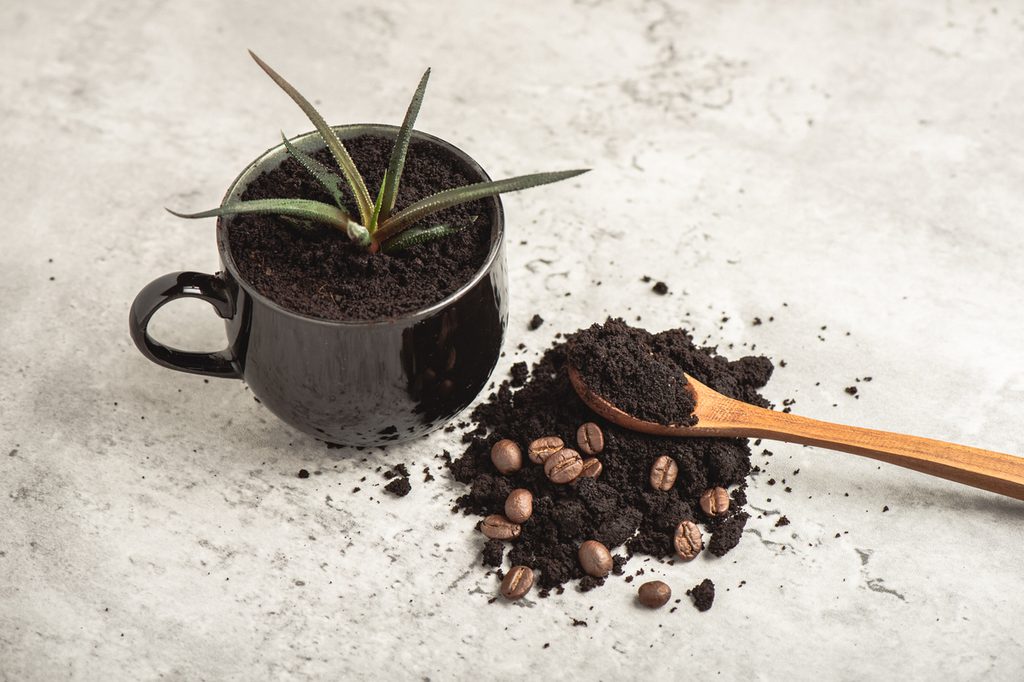
While any kind of coffee grounds will add nitrogen and acidity to the soil, decaf or low-caffeine grounds are the best if you plan on regularly using them. Caffeine can cause health problems for plants, especially in higher quantities. If you aren’t already drinking decaf and don’t want to switch, you’ll need to either use fewer coffee grounds for blueberry fertilizer or compost your coffee grounds and then use the compost as fertilizer.
Additionally, avoid using flavored coffee grounds. While flavored coffee is delicious, not all flavoring additives are good for plants, and it’s better to be safe than sorry.
Can blueberry bushes benefit from coffee grounds?
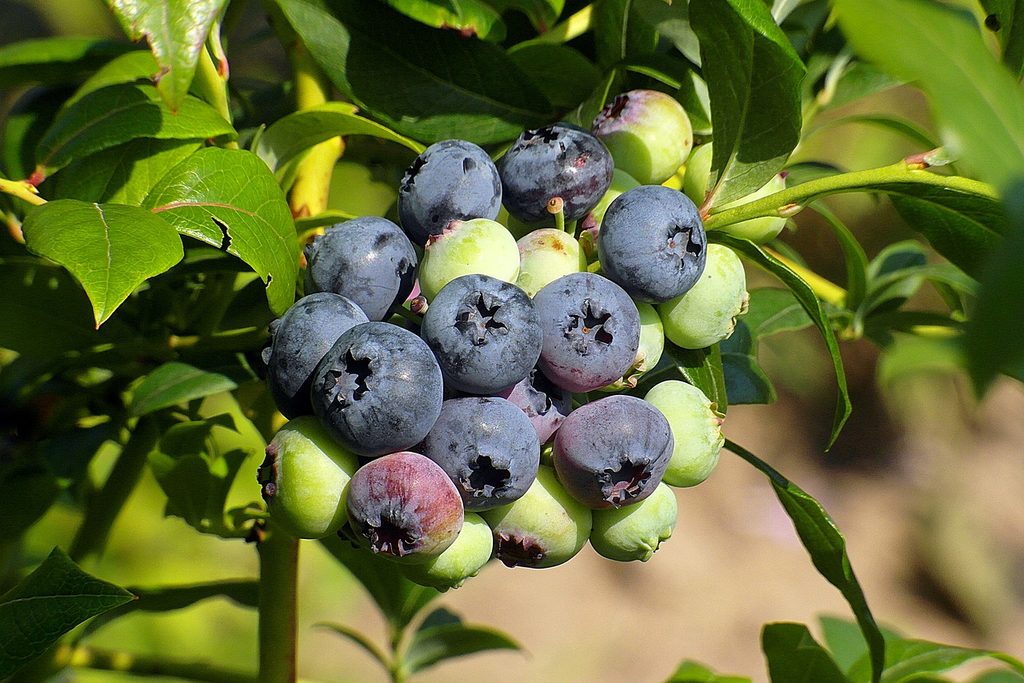
The needs of a blueberry bush happen to line up exactly with the effects coffee grounds have on soil. They need a consistent nitrogen supply, benefit from high-nitrogen fertilizers, and love acidic soil. Blueberry bushes are at the top of the list of plants that can benefit from coffee grounds.
It is still possible to add too much to your soil, even for blueberry bushes. Before adding anything to your soil, test it to see what the natural levels of nutrients are in your garden and what your pH is. If your soil already has plenty of nitrogen or is already acidic, you should skip the coffee grounds.
The leftover grounds from one or two cups of coffee should be enough for one bush. Sprinkle the grounds over the soil and work them into the top several inches of your garden. Try to spread them out rather than putting them all in one place. This helps the coffee grounds break down faster, and spreading them out can reduce the risk of any other nearby plants suffering from a sudden spike of nitrogen.
What else can you use coffee grounds for?

Even if you add some of your coffee grounds to the soil around your blueberry bushes, you’ll still likely have leftover coffee grounds. So do all the rest of your grounds have to go in the garbage, or is there something else you can do with them? If you have a compost bin, you can add your used coffee grounds to the mix. You can also leave some on the edges of your garden or around specific plants to keep some soft-bodied pests out. However, coffee grounds also have some interesting indoor uses.
Did you know they can help mask and absorb less pleasant smells? Placing a bowl of coffee grounds in your refrigerator, car, or other area for a few days will help get rid of any lingering scents. If you’ve been chopping onions or crushing garlic and don’t want those smells on your hands, you can rub coffee grounds over your hands for the same effect.
Coffee grounds can get rid of more than just smells. Rubbing some grounds into your pet’s fur during their bath is a great way to get rid of fleas. Be sure to rinse them all out afterward, though. This coffee treatment may even help their fur seem shinier. Some people even use coffee grounds on their own hair to darken the color and increase the shine, although the scientific research on this is limited.
Are there downsides to using coffee grounds as fertilizer?
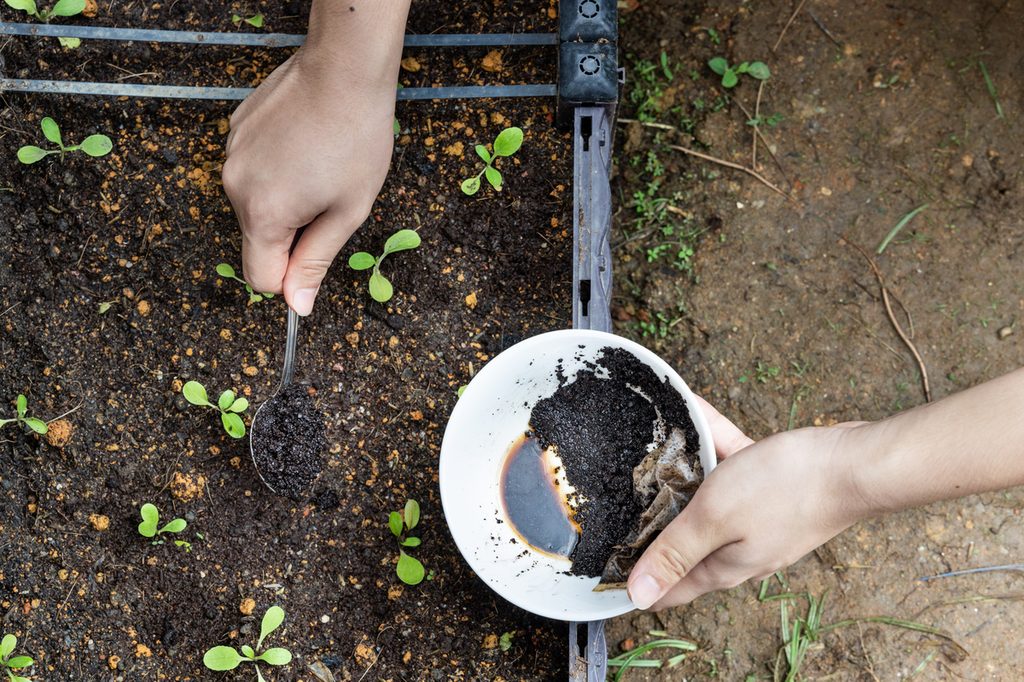
There can be some drawbacks when using coffee grounds to fertilize your blueberry bushes, but most of these come from overuse. Too much of anything can cause problems, and coffee is no different. If you’re giving your blueberries coffee grounds every day and are giving them a lot of coffee grounds, then your plant may end up with too much nitrogen in the soil. Nitrogen is important for plants, but too much of it can stop them from properly absorbing other nutrients. As with any other soil additive, moderation is key for healthy plant development.
Now you can stop wasting your coffee grounds and put them to good use! Whether you add a little to your soil to help your blueberry bushes thrive, put them in a bowl to absorb some excess kitchen smells, or rub them into your dog’s fur to get rid of a few fleas, you can feel good knowing you’re decreasing your kitchen waste.