If you’ve heard about people growing mushrooms at home, or if you’re a big fan of mushrooms in food, then you’ve probably heard of cremini mushrooms. They’re a favorite of many gardeners and culinary experts alike. What is it, exactly, that sets cremini mushrooms apart from other garden staples? If you’re confused or curious about cremini mushrooms, and are wondering what they are or how you can grow your own to find out for yourself, then you’re in the right place. We’ll tell you everything you need to know to understand, grow, and cook cremini mushrooms.
What are cremini mushrooms?
Cremini mushrooms, also called crimini, baby bella, Roman brown mushrooms, Italian brown mushrooms, and Swiss brown mushrooms, are the middle growth stage of Agaricus bisporus. They are fairly small, with rounded brown caps and a firm texture. The fact that they’re the middle growth stage is actually important, as younger mushrooms of Agaricus bisporus are called button mushrooms and older ones are called portobello. Yes, you read that right, cremini, button, and portobello mushrooms are all the same mushroom at different ages. Agaricus bisporus is native to Europe and North America, specifically the grasslands. However, nowadays it can be found in nearly every grocery store and restaurant, and even in plenty of home gardens.
The uses and benefits of cremini mushrooms
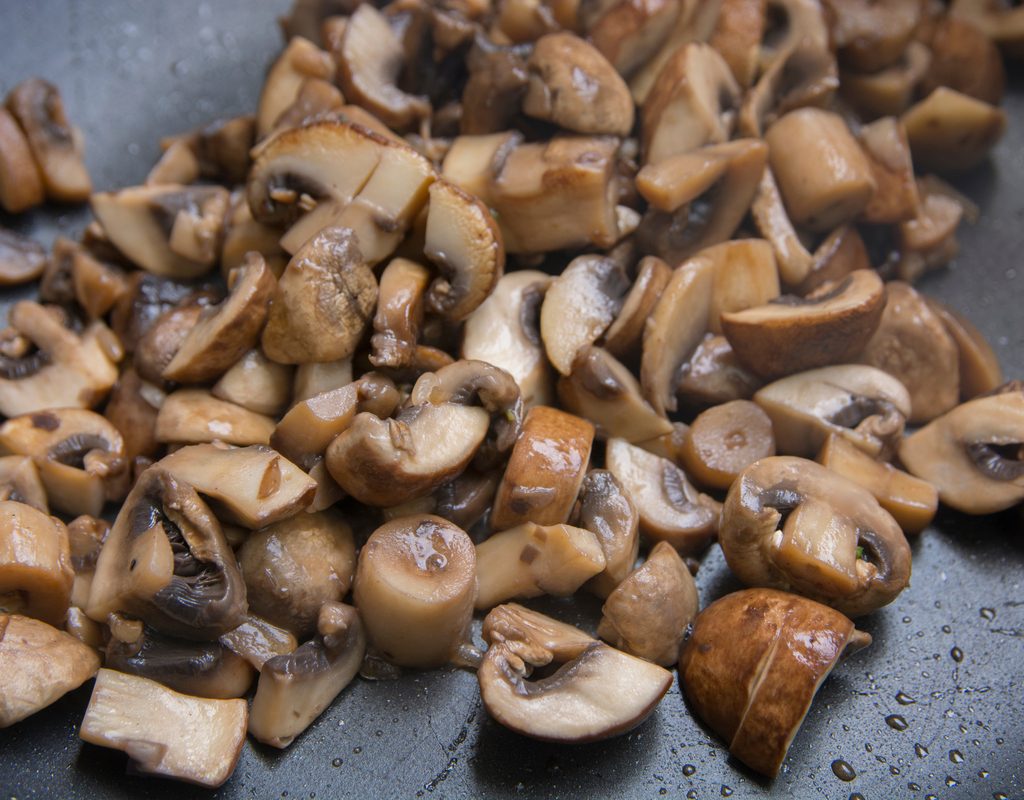
Cremini mushrooms are good sources of protein and potassium, and have small amounts of several vitamins and minerals as well. Additionally, cremini mushrooms are naturally low in both sodium and fat. They can be eaten raw, as a snack on their own or as part of a larger dish like a salad or sandwich. Agaricus bisporus tastes mild when young, but becomes meatier as it ages. Cremini mushrooms are a nice middle ground—mild enough to be added to almost any dish, but meaty enough that the taste isn’t completely covered by other ingredients. Cremini mushrooms are commonly sautéed with onion and garlic, added to stir fries or soups, or mixed into rice or noodle dishes.
If you can’t find cremini mushrooms, or if you enjoy some elements of cremini mushrooms but not others, then there are a few other things you can use as substitutes in your meals. You can use button mushrooms for a milder flavor, or portobello for a heartier, meatier flavor. Shiitake mushrooms will give your meal a slightly richer taste, while oyster mushrooms have a more subtle, delicate taste. If you’re allergic to mushrooms, but still want to experience a similar flavor and texture, then consider adding eggplant to your meals.
Growing cremini mushrooms
The good news is that cremini mushrooms are exceedingly easy to grow. Although there’s little work involved, you can reduce the amount even further by getting a grow kit. If you’d rather do it all yourself, then there are a few things you’ll need:
- A box with solid sides
- Plastic, metal, or wood
- High nitrogen substrate
- Horse manure or a mix of manure and compost
- Mushroom spawn or spores
- Can be obtained online or in gardening stores
- Spray bottle of water
Start with a box that’s at least six inches deep. If your box is cardboard, or another material that absorbs moisture and breaks down, then you should line the inside with a garbage bag to prevent the mushrooms from growing into the box. Add the substrate to your box, leaving a few inches of room at the top. Next, mix your mushroom spores or spawn into the top few inches of the substrate and place the box somewhere dark and warm.
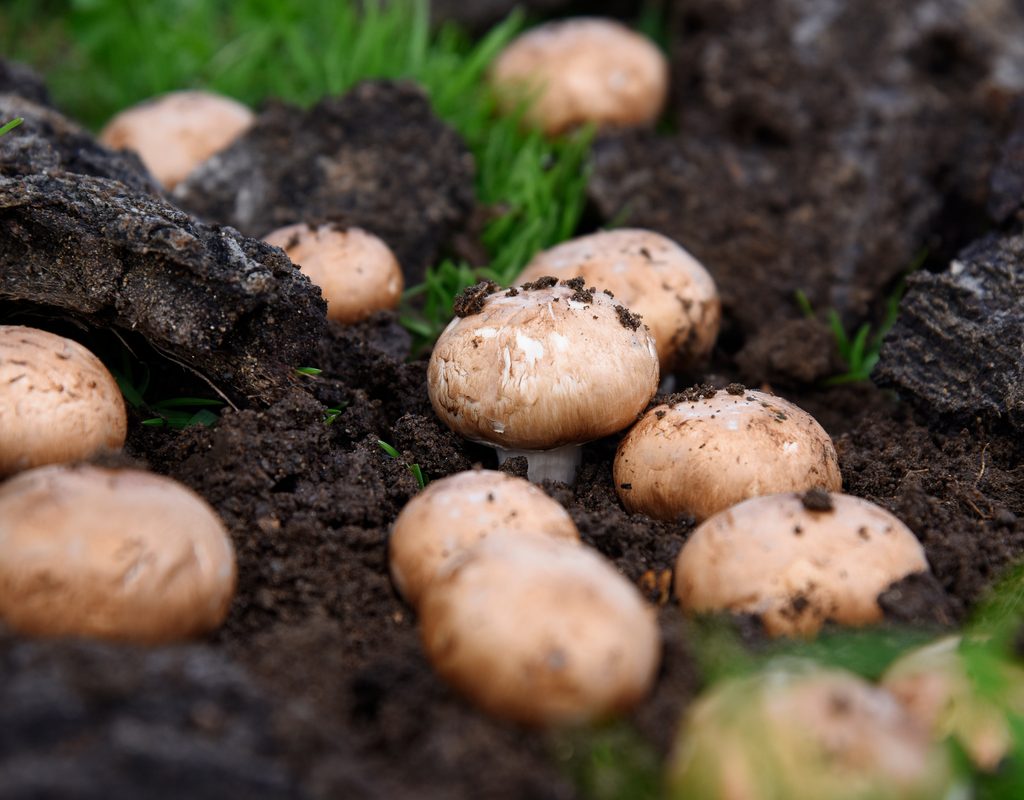
Mist the substrate regularly, so that it doesn’t dry out. Keep the box warm until the substrate is covered in thin white mycelium. Then move the box somewhere cooler, keeping it in the dark. You should begin seeing mushrooms form not long after that. They can be harvested as soon as their caps open, pulling away from the stem to reveal the gills underneath. At this stage, they’re button mushrooms, and won’t be cremini mushrooms until their caps turn brown. To harvest them, gently snap or cut them off at the base of the stem.
That’s all the information you need to know for growing and cooking your very own cremini mushrooms. You’re ready to impress your dinner guests with fun facts about their meal or wow your fellow gardeners with your mushroom farm. Once you’ve grown your own cremini mushrooms, you’ll also be experienced enough to successfully grow other kinds of mushrooms, too. There’s a wide world of fungi out there, so why not give a few different kinds a try? You’ll be glad you did when you’re enjoying the rich rewards for a surprisingly small amount of effort.