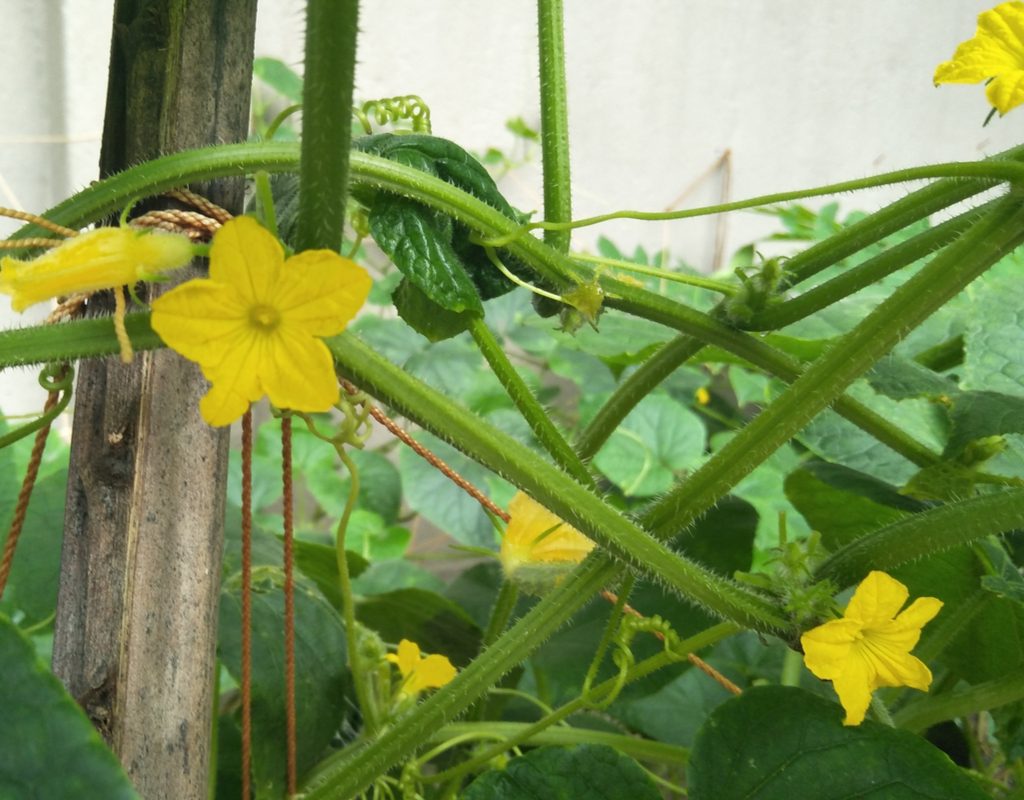
If you want a garden-fresh salad with your own cucumbers or some delicious homemade pickles, then you’ll need to add cucumbers to your vegetable garden. Cucumber plants are a pretty simple vegetable to grow, but they can be a touch finicky sometimes. Aside from their pollination issues and cucumber beetles, the most common problem is cucumber leaves wilting. There are several reasons your cucumber leaves may be wilting, some of which you can treat. To determine why your cucumber leaves are wilting and what you should do about it, keep reading.
Bacterial wilt
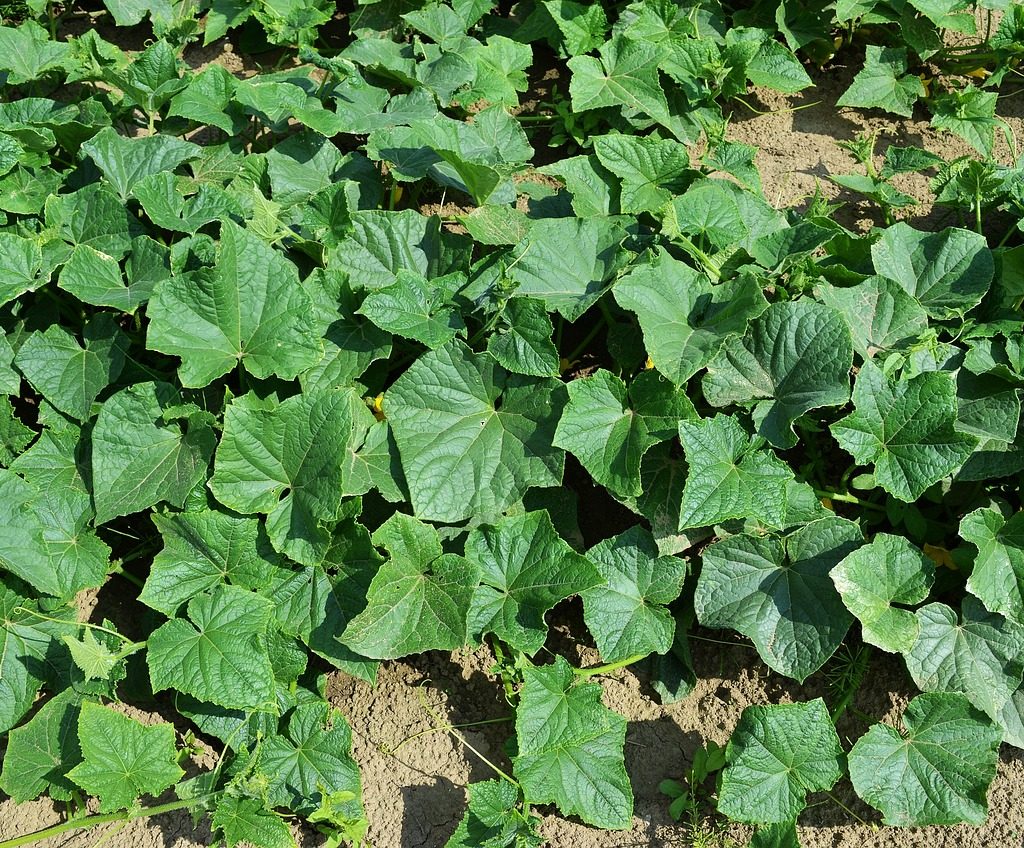
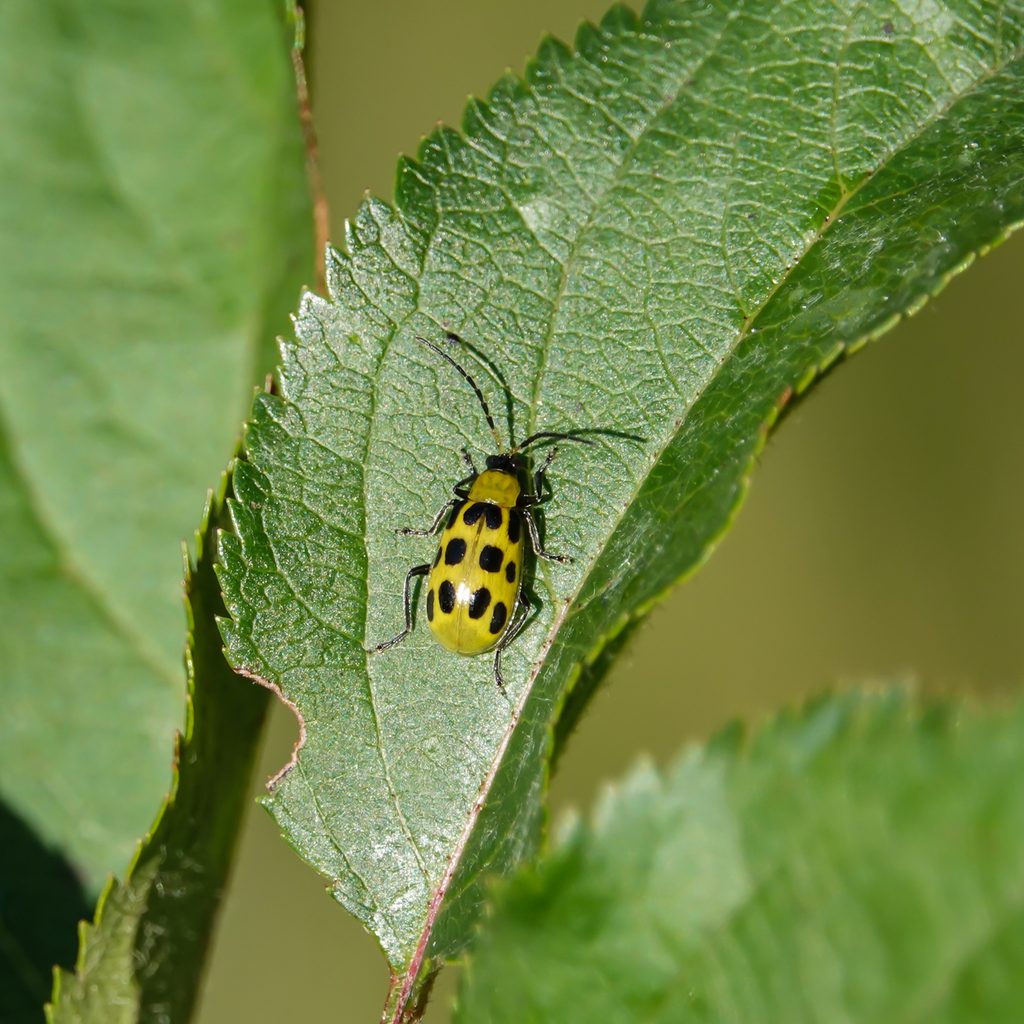
Bacterial wilt is caused by Erwinia tracheiphila, a bacteria found in cucumber beetles. These beetles feed on cucumber plants, and when they do, it creates small wounds that would otherwise be harmless. However, when the beetle’s dung comes into contact with these wounds, the bacteria passes into the plant. Once the plant is infected, cucumber beetles feeding on it pick up more bacteria that can then transfer to more cucumber plants.
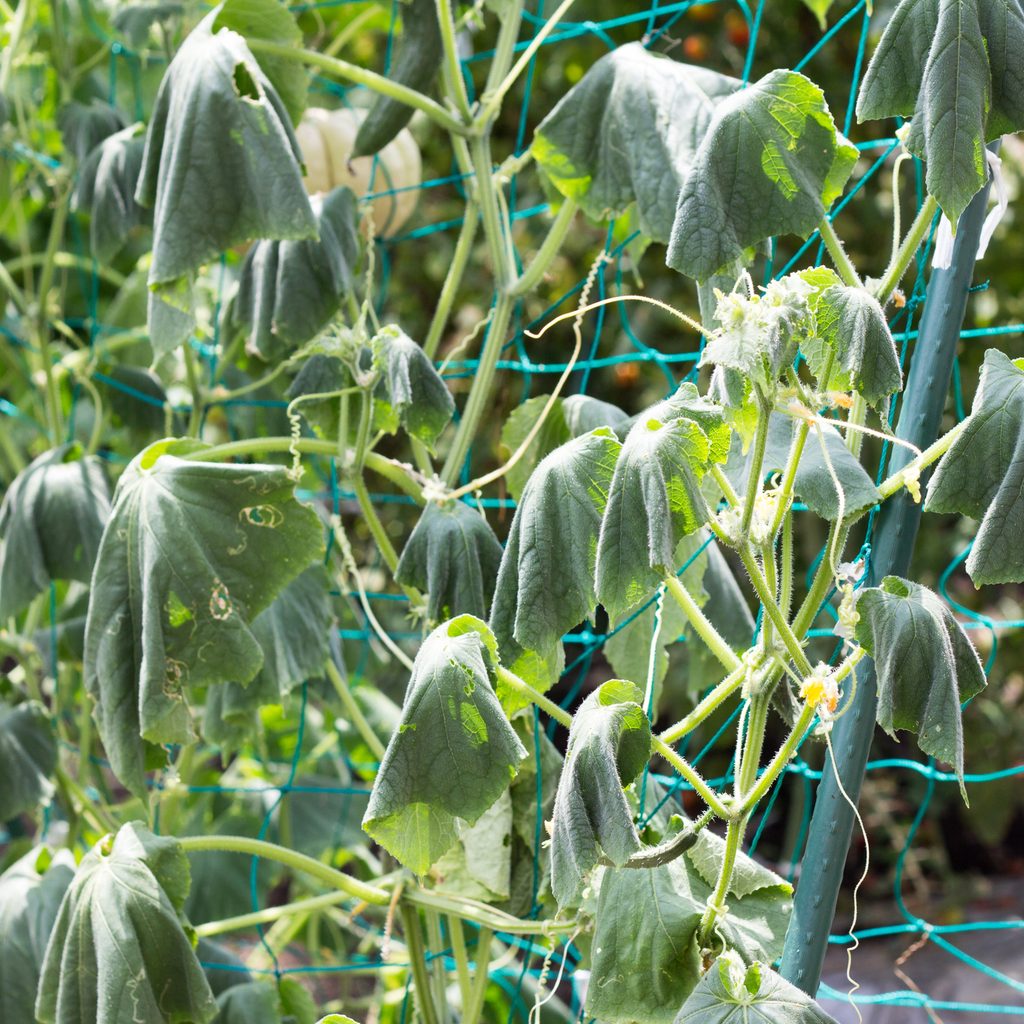
A clue that your cucumbers are suffering from bacterial wilt is the presence of cucumber beetles. However, it only takes one beetle to infect a plant, so they may not be obvious. The first sign of bacterial wilt is individual leaves wilting on a single vine. The wilt then spreads throughout the entire plant and the stems dry out. A plant with bacterial wilt may resemble a plant wilting from lack of water. This is because the bacteria inhibits the travel of water through the plant.
Treating bacterial wilt
Unfortunately, there’s no treatment or cure for bacterial wilt. There are some preventative measures you can take, though. Once your cucumber plant is infected, you should remove it completely. If you leave it in place, beetles could spread the bacteria to any other cucumber plants nearby. Don’t compost the infected plant or leave it near the garden. Dispose of it far away.
A large part of preventing bacterial wilt is keeping pests at bay. Using pest netting or row covers can prevent cucumber beetles from getting access to your plants. Pesticides may also keep the population of cucumber beetles at bay. Another thing you can do to prevent bacterial wilt is to keep your plants healthy. Cucumber beetles are more likely to target plants that are already weak or sick.
Avoid planting cucumbers near other plants that cucumber beetles feed on. Bacterial wilt can also affect muskmelons. Cucumber beetles sometimes feed on corn and goldenrod, although bacterial wilt doesn’t affect either plant as severely as it does cucumbers. If you encounter a problem with bacterial wilt, don’t plant cucumbers in the same place for two to three years. Without food, cucumber beetles will starve or leave. Continuing to plant cucumbers only encourages them to stay.
Cold weather
Cucumbers don’t enjoy cold weather, so it may not be a surprise that lower temperatures can cause them to wilt. Cold weather can make it more difficult for plants to absorb water, especially if the ground is frozen. Additionally, cold, wet soil is a breeding ground for many fungi, some of which can weaken your cucumber plants. If the temperature drops below 50 degrees Fahrenheit and the soil around your cucumber plants is damp, then check the base of the plants for signs of fungal growth.
You can’t control the weather, but you can mitigate its effects. If you know a cool front is approaching, add a layer of mulch around your wilted cucumber plants. This helps insulate the soil, keeping the roots warm and stopping the water in the soil from freezing.
Cover your cucumbers before any cold or freezing rain comes to protect the leaves from cold and wet conditions. If the temperatures are cool but not freezing, then watering your cucumbers with room temperature water instead of cold water can help knock off some of the chill.
Drought and heat
Although cucumbers enjoy warm weather, it can still get too hot for them to handle. If you notice your cucumbers wilting during a heat wave, then they may be getting too hot. You’ll likely notice an improvement in your wilted cucumber plant directly after you water them, and at night, when the temperatures cool off.
Give your cucumbers some shade during the hottest part of the afternoon if you can. The other way to treat this type of wilting is by watering your cucumbers more often. Water evaporates more quickly in hot, sunny weather, so your plants have less time to absorb the water they need. This is especially true if your cucumbers are growing on a trellis. Cucumber leaves shade the ground, helping to slow down evaporation. If your cucumbers are on a trellis, less of the ground will be shaded, leading to more evaporation.
Should you remove wilted cucumber leaves?
This depends on why your cucumber leaves are wilting. If the cause is bacterial wilt, then you should remove not only the wilted leaves but the entire plant. However, if the cause is heat or drought, then you shouldn’t remove the leaves. They will perk back up as soon as the weather cools off or they have more water.
Cold damage leading to cucumber leaves wilting is trickier. If the damage is severe, the leaves may be dead or actively dying. In this case, it’s best to remove the leaves, as they will not recover. However, light damage may not kill your cucumber’s leaves. The best course of action is to keep caring for your cucumber and take note of which leaves recover and which do not. Leaves that don’t recover are safe to prune, while those that do recover should be left in place.
Now you have a simple checklist to follow when treating a wilted cucumber plant. If the weather is abnormally hot or cold, then that’s likely the issue. Otherwise, it may be bacterial wilt, caused by cucumber beetles. Depending on the cause, the solution may be as simple as laying down some mulch or giving them extra water, or it may be as complicated as destroying the infected plant and changing your planting schedule. Good luck in protecting and caring for your cucumber plants!