Gardening is an excellent hobby, lifestyle, and food source. It’s a great way to engage in self-care, and it’s good for the environment. Sometimes, though, you run into a pest problem. Here are four critical things you need to know about in order to eliminate cutworms from your garden.
Identifying cutworms
The first thing to do is to make sure that what you’re dealing with are actually cutworms. There are a lot of potential pests, and while some things will be true for most of them, it’s helpful to be able to target your treatments.
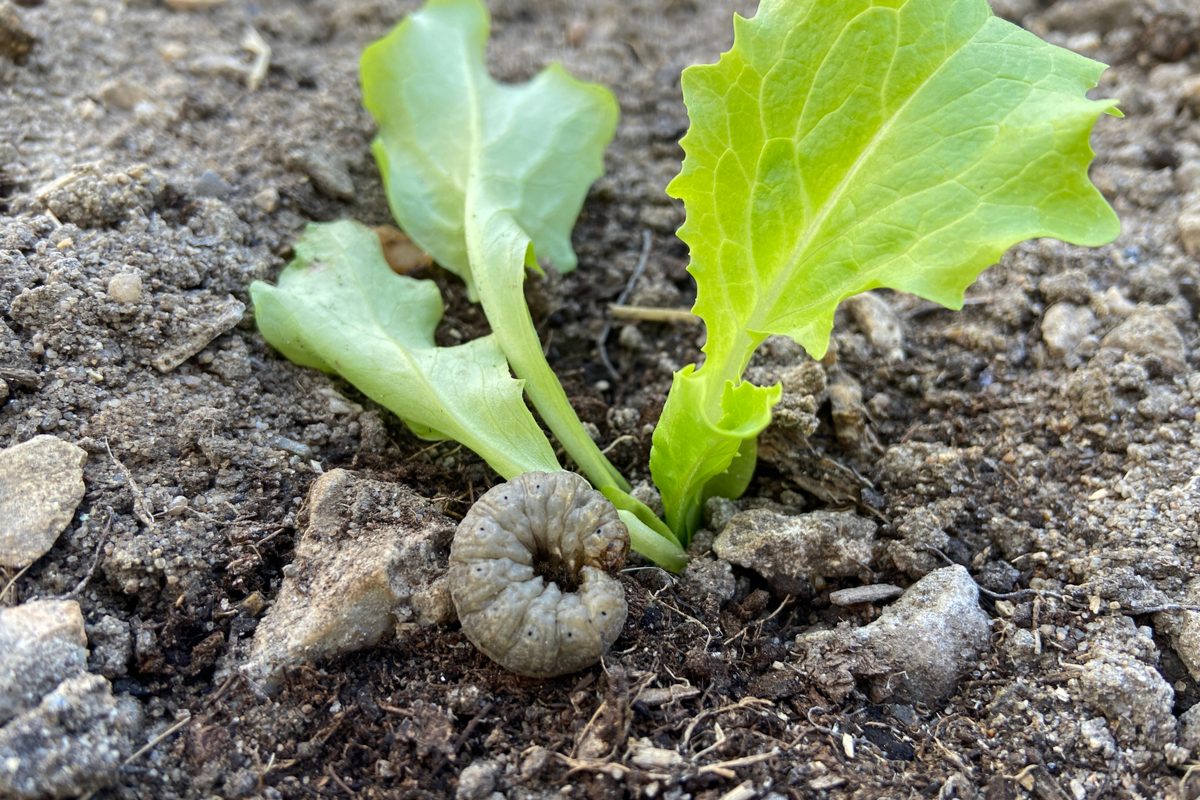
Cutworms are small black or dark gray caterpillars. They’re the larval stage of the dark swordgrass moth. They’re only about an inch and a half long, and their dark coloring can make them hard to spot on the ground, but easier to spot on a plant.
If you can’t see them, cutworms are easily identifiable even from the path of destruction they leave. Their name comes from their habit of cutting down wide swaths of garden plants. They enjoy tender sprouts, young leaves, and stems. They chew through parts of the stems at the base, knocking plants over, leaving the young leaves at the top vulnerable to cutworms or other pests.
Remove them by hand
Once you’ve identified the cutworms and you know for sure that’s what you’re dealing with, you can remove any of them you can see or find by hand. Just pick them up. If they’re on a plant when you find them, they may try to hold onto it, but you are stronger than them.
Once they’re in your hand, you can dispose of them any way you’d like to. Squishing them and dropping them into a bowl of soapy water are the standard, traditional methods of disposing of cutworms, but really you can do anything other than release them back into your garden.
Get rid of any hiding places
Cutworms like to hide in vegetation and just under the surface of the soil. To make sure that the cutworms don’t have any safe places to hide, first get rid of any excess vegetation. That means a thorough weeding, but it also means considering what other plants are near, but not in, your garden. You don’t have to get rid of any border plants if you don’t want, to, though. There are some preventative measures you can take.
As for hiding under the surface, you obviously can’t get rid of the soil in your garden. That would limit your garden tremendously. However, tilling the soil can help reduce the number of cutworms living in it. Tilling the soil exposes cutworms to the elements, and, while it likely won’t get rid of all of them, certainly helps.
Take preventative measures
One of the best preventative measures you can take is to establish some sort of barrier around your plants. A raised garden bed or low wall around your garden can be extremely helpful in keeping cutworms out, especially if you have nearby border plants.

If you have fewer plants or aren’t able to make a wall around your garden, you can instead put plant collars on your plants. These can be made of anything that can withstand the elements and are fairly solid. Cardboard wrapped in tin foil, wood, and plastic are all perfectly acceptable.
Your plant collar should be embedded a few inches into the ground and reach about halfway up the plant for maximum safety. The plant collar keeps cutworms from reaching the plants, and it is an easier alternative to raised garden beds or walls.
You could also try some natural pesticides, like neem oil or pyrethrin. These are both plant-based pesticides, making them better for the environment and a nice, organic alternative to artificial chemicals.
A more indirect preventative method is to diversify your garden and attract the natural predators of the cutworm.
Diversity in a garden provides a range of benefits, and one major benefit is that it provides less of a foothold for specialized predators. If a pest only eats one type of plant, and your garden is 100% that plant, it’s essentially a buffet.
A wider range of plants attracts a wider range of insects and critters and, consequently, predators. You can accentuate this by adding a bird feeder next to your garden, though.
Pests are no fun, but now you know the best ways to deal with one of them! With these tips in your tool kit, you’re ready to take down any cutworm infestation you find.