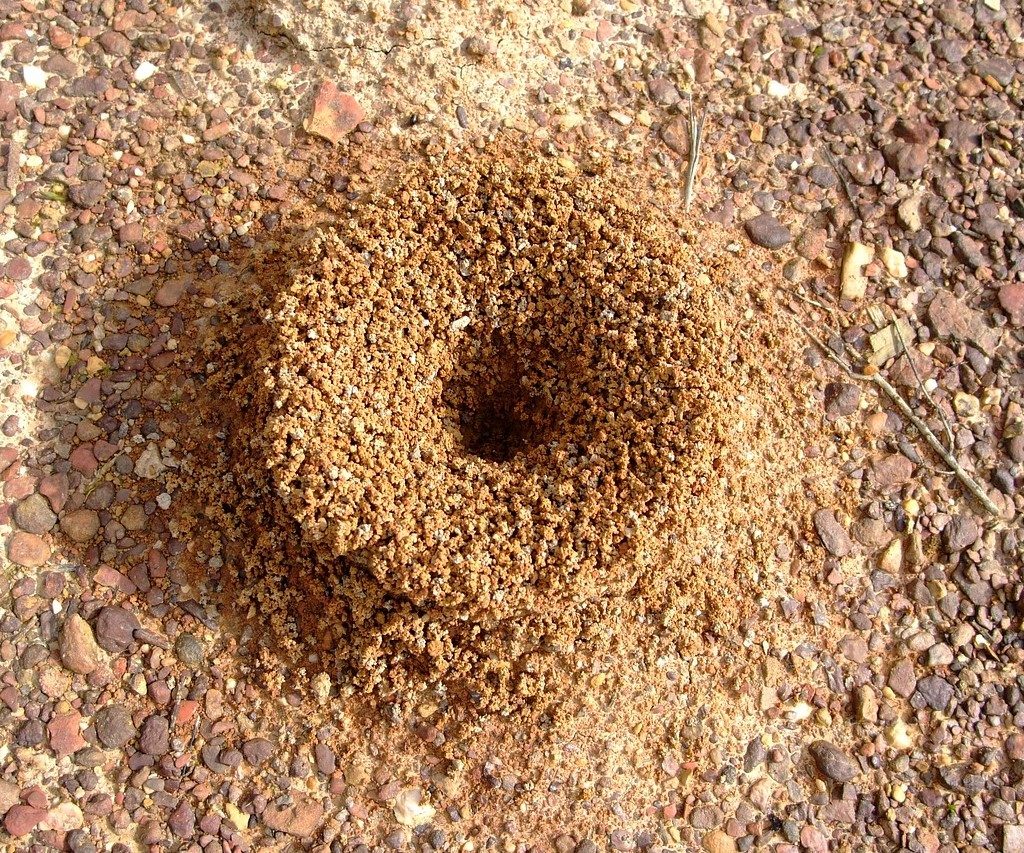
Ants play a vital role in the ecosystem, but they can also be a major pest for gardeners. While the ants themselves aren’t necessarily a problem, they can protect and support more harmful pest species, such as aphids. Ants can also take advantage of damage done by other pests, exacerbating existing problems.
There are many products on the market that promise to kill ants, but some of them are also dangerous for animals, plants, or people. If you’re looking for a safer alternative to get rid of your infestation, you may have heard that Epsom salt will do the trick. Does it actually work, though, and are there any side effects you should be aware of? There’s no need to keep wondering, “Does Epsom salt kill ants?” — this handy guide will answer all your questions!
Does Epsom salt kill ants?
Epsom salt can kill ants, but it depends on how you use it. Many gardeners sprinkle a line of Epsom salt on a border around their gardens or in a grid between the plants in the gardens. This seems to work for some people, but not others. A 2018 Washington State University study also found mixed results. This means there are likely other factors affecting whether it works that we aren’t aware of.
You can try diluting Epsom salt with water to spray onto your plants. This also has mixed results, with some gardeners swearing by it and others swearing it’s a hoax. A surefire way to use it, though, is to spray it directly onto the ants themselves. This works best if you have a large infestation or know where the nest is, as it can be a bit tedious to spray ants individually.
How does Epsom salt affect pests?
Epsom salt kills pests through dehydration. Water moves between cells through a process called osmosis, and it moves from high to low, or from cells with more water to cells with less water, to keep things even. In the presence of substances that can be dissolved in water, such as salt or Epsom salt, water moves toward it to try and balance it. As more water works to dissolve and neutralize the salt, some cells begin to dehydrate because they lack the water needed to function.
Similar to how we can’t drink salt water because it dehydrates us, insects can’t come into contact with salt. Insects are also much smaller, meaning they have less water to begin with, and it takes a lot less salt to fully dehydrate them.
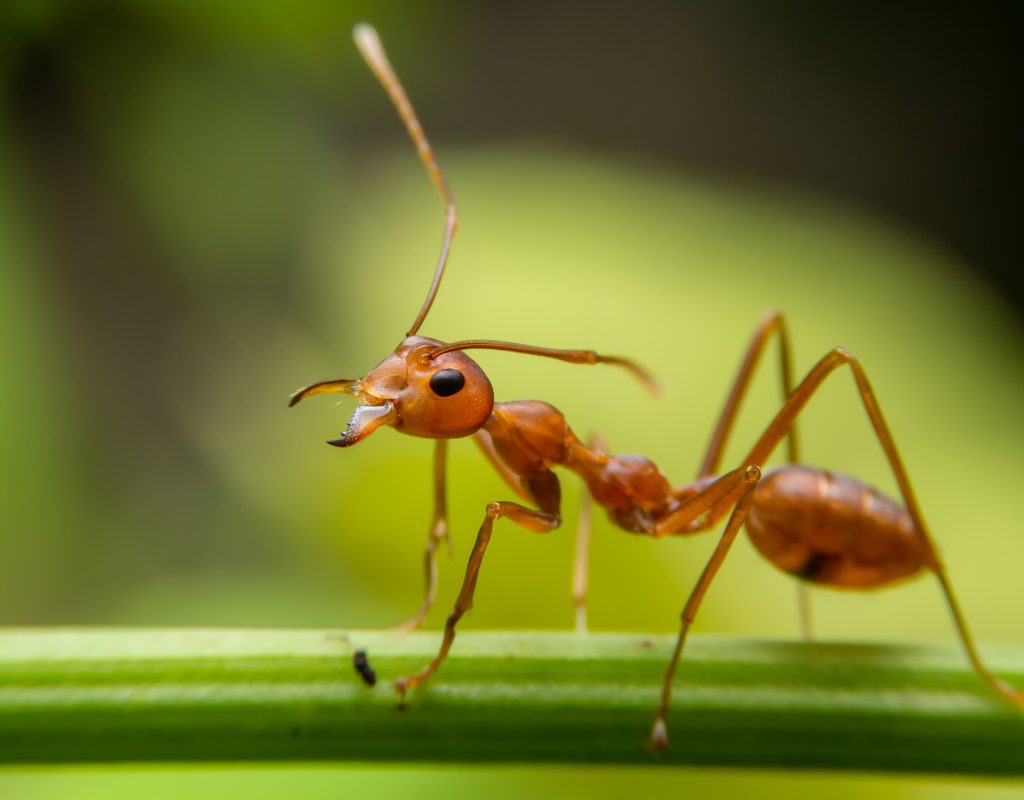
Soft-bodied insects such as slugs and snails are especially sensitive to this because they don’t have any real protective layer between the salt and their vital cells. Hard-bodied insects such as ants, which have an exoskeleton to protect them, are also vulnerable, although not quite as much. The coarse salt scratches the exoskeleton and creates holes in their armor, which then exposes the water in the insect’s body, allowing the salt to do its job.
Are there any dangers to using Epsom salt?
There’s good news and bad news. The good news is that Epsom salt is considered safe to handle and poses no known threat to you personally. Epsom salt is even safe to ingest in small amounts, although it is bitter and not nearly as good for seasoning food as regular table salt. Many people even take Epsom salt baths by dissolving scented Epsom salt in bathwater for a relaxing experience.
The bad news is that Epsom salt can pose a problem for your garden and the environment. Epsom salt is magnesium sulfate, which breaks down into magnesium, sulfur, and oxygen, all of which are natural and necessary in garden soil. If your soil is deficient in these elements, adding a little Epsom salt to your soil can even be beneficial!
However, it is very easy to overuse. If your soil isn’t deficient, or if you use more than a light sprinkle, you’ll end up with a buildup of magnesium and sulfur in the soil, which can hurt your plants and, if it rains, leach into nearby water.
Is Epsom salt the best option?
Whether Epsom salt is right for your garden or not is something you may have to discover for yourself, but here are a few things to consider when making your decision. Test your soil first to see how much magnesium and sulfur is already in your garden. If you have an average or above average amount, use Epsom salt at your own risk. However, if your garden is deficient in those elements, it might benefit from a little bit of Epsom salt.
Also, consider whether you know where the ants are coming from and how many you can target at once. Epsom salt is most effective when sprayed directly onto the ants. If you only have a few, or if you could only target a few at a time, you may want to consider other options.
What are some alternatives to Epsom salt?
If Epsom salt isn’t right for your garden, or if it isn’t working for you, then it may be time to try another pest control method. Depending on your garden and where the ants are, there are a few organic options for you to try. The simplest method is to wash them away with water. While this may not get rid of all the ants, it can lessen an infestation and encourage the ants to go elsewhere. For areas outside your garden, boiling water can clear out an infestation quickly. However, in addition to taking personal safety precautions, you should keep in mind that boiling water will damage nearby plants.
Spraying an acidic liquid like vinegar or lemon juice on ants will also get rid of them. These sprays can dry out the leaves of your plants and should be used sparingly, but are otherwise safe to use in small amounts. Vinegar, lemon juice, and other acidic liquids can irritate your skin and eyes, so be careful when using them.
Capsaicin, a compound found in most chili peppers, will also keep ants away. Cayenne pepper specifically is popular for this reason. However, it is unlikely to kill ants. Instead, it acts as a repellent, keeping ants from entering your garden.
Epsom salt can be a very effective pesticide, and it can be used against ants specifically. However, it does pose a risk to your garden if you use too much. Consider saving the Epsom salts for a relaxing bath and pick another organic pesticide if you have a small infestation. For larger infestations, mix the Epsom salt with water and spray it directly onto the ants. Now you know how Epsom salt can help and hurt if you have a garden full of ants!