Cacti are prickly little plants that just keep increasing in popularity. They’re marketed as easy to care for, they come in a variety of shapes and sizes, and many boast beautiful flowers. Cacti are great plants for people who sometimes have difficulty remembering to water their plants or are first-time plant owners — but more experienced gardeners enjoy these unique plants, as well. If you’ve just received your first cactus, or are looking into getting one and are a little nervous about caring for it, you’re in the right place! Here are five easy tips you need to know about taking care of your new cactus.
Identify your cactus
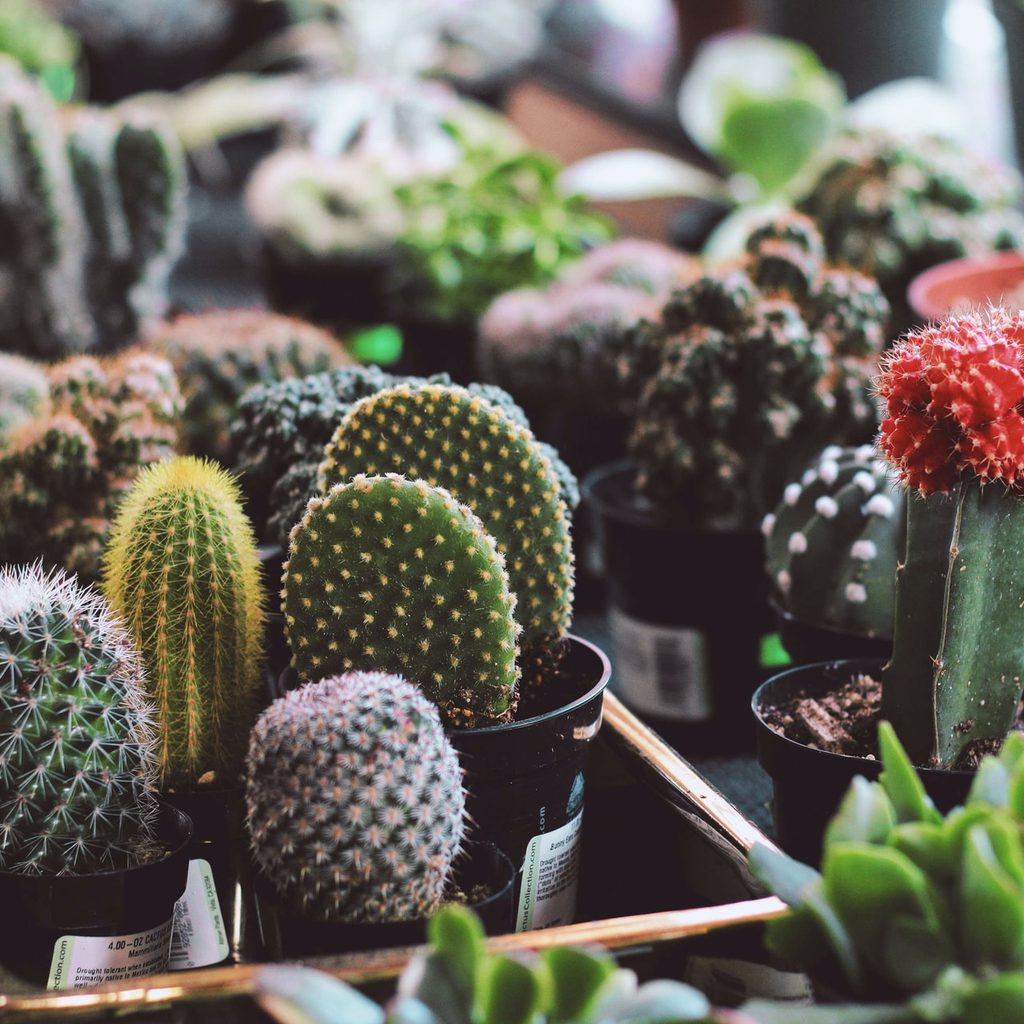
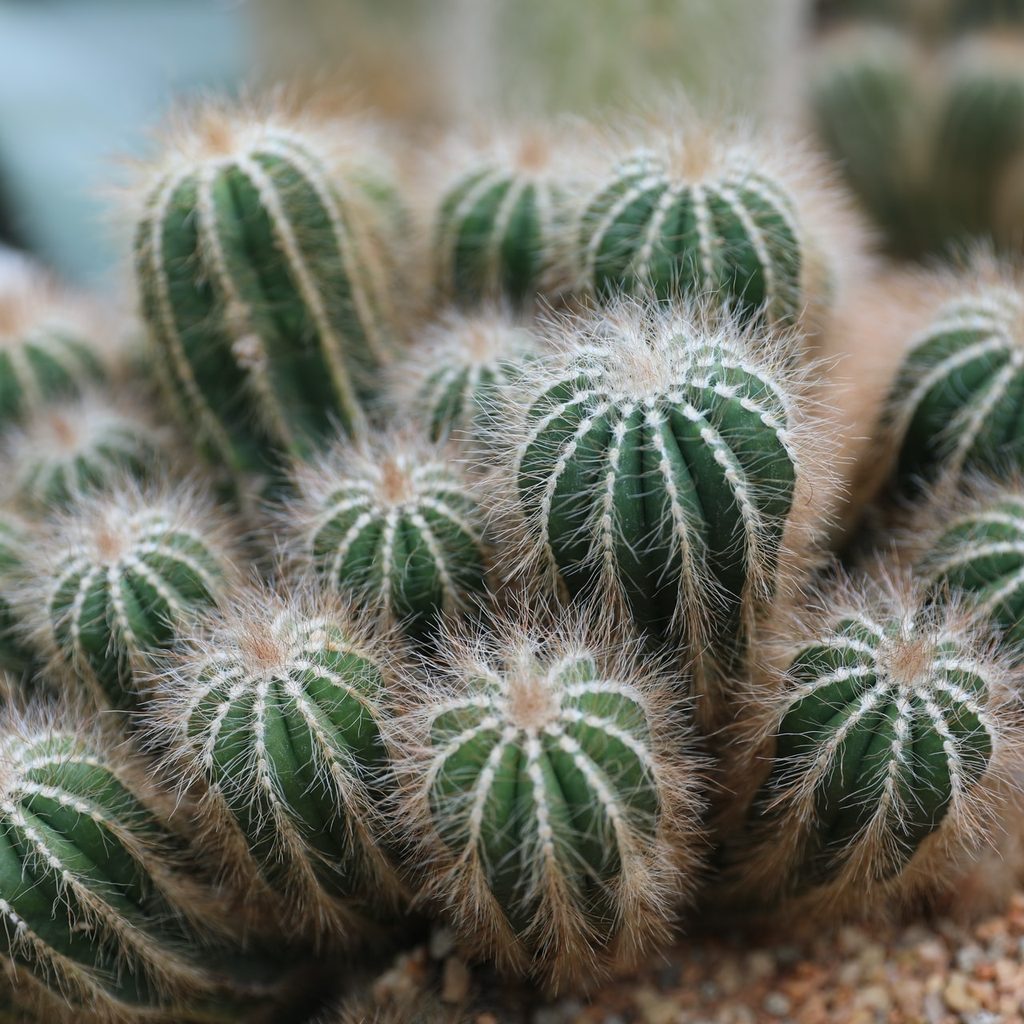
Hopefully, if you’ve purchased your cactus, it has a tag or label stating what kind of cactus it is. However, if you got your cactus as a gift or if it didn’t come with a tag, it isn’t the end of the world. Start your search by observing the shape of the cactus. Is it flat and ovular, spherical, or cylindrical with arms? Image searches can be a big help in this regard since it’s typically easier to identify cacti by sight than by description.
Identifying your cactus is important, as not all cacti have exactly the same requirements. While there are some general tips and guidelines to follow (such as we discuss in this article), it can be useful to know if your cactus has any peculiarities.
Get plenty of sun, go easy on the water
Although they can be grown in other climates, cacti are generally native to hot, dry climates. They’ve adapted to those conditions, so it’s important to mimic them to keep your cactus healthy. This means getting several hours of sunlight a day, typically direct light, with the exact amount of sun they need varying depending on the type of cactus.
For water, a good rule of thumb is to let the potting mixture dry out entirely between waterings. Many cacti can go longer between watering, especially those native to especially arid environments. However, cacti are much easier to overwater than underwater. If the potting mixture is still moist or damp, don’t water your cactus.
Make sure you have the right potting mixture
Rich, earthy soil is great for some plants, but not so much for cacti. The thicker and richer the soil is, the slower it will drain — meaning your soil stays wet longer, which can lead to an increased risk for root rot or fungal infections. Most cacti do well in less rich, sandy or rocky potting mixtures. Some can even be planted in mostly rocks with only a little actual soil!
Different materials drain at different speeds, so plants in thicker soils will need to be watered less often than plants in rocky soil. For most plants, this means that being planted in rockier or poorer quality soils means they’ll need more frequent waterings. For cacti, however, this works to your advantage.
Temperature and humidity are important
Room temperature will do just fine for most cacti, so, unless you like to keep your house fairly cold, you should be good to go. The most common problems with cacti and temperatures arise either with outdoor cacti or with indoor cacti near drafts. When choosing a nice sunny window for your cacti to sit in, be sure the window is sealed against drafts.
In general, cacti enjoy relatively low humidity but can tolerate a moderate amount. Some cacti and succulents will even supplement their water intake by absorbing water through the humidity in the air if they need to. Unless your cactus is of a particularly finicky variety or your house is abnormally humid, you should be just fine.
Get your cactus a friend!
Plants love company, and people love plants! Science suggests that growing plants, whether a large vegetable garden or a few potted plants, can have a range of health benefits, including lessening stress and improving mood. Plants also benefit from each other, although the exact benefits can vary depending on the specific plants.
Cacti can be easily grown with other cacti and succulents. You’ll likely need a larger container to grow them in, but otherwise care remains the same. Having multiple cacti in a single container can even help slightly reduce the risk of overwatering them, as there are more roots to absorb excess water.
From prickly pear to saguaro, and old lady to star, no matter the type of cactus you find yourself with, you’re now prepared to keep it happy and healthy! By keeping these five simple tips in mind and checking on the specific needs of your variety, you can hardly go wrong. Keep them warm, make sure they get plenty of sun, go a little easy on the water, and consider getting more than one cactus. You’ll be sure to see success, hopefully in the form of cactus flowers, a vibrant treat!