If you’re growing a food garden in a small space, you may want to pursue hanging vegetable garden ideas immediately. A hanging vegetable garden can include any configuration of containers suspended to take advantage of vertical space. Containers are an excellent place to cultivate plants that naturally grow low to the ground, like strawberries, and those with a trailing growth habit, such as tomatoes. Incorporate vegetables into hanging planters so as to maximize the amount of food grown. It also saves your back by eliminating bending and stooping.
Allow space for mature plants
Most vegetables, fruits, and herbs are suitable for hanging planters, but be sure to match the dimensions and spacing of the planters with the mature sizes of the plants. Shallow-rooted plants with a low growth habit like spinach, strawberries, lettuce, and thyme are very forgiving since they don’t need much space above or within the soil. But more care must be taken with deep-rooted plants like carrots, tall crops like tomatoes, and sprawling plants like sweet potatoes. Although they grow very well in hanging baskets, they suffer if they do not have enough space inside or outside the pot.
Adjust for angle of sun
Also bear in mind that adequate sunlight is critical for plant growth. It is important to account for the sun’s angle throughout the day and how it changes within the growing season. Position hanging baskets side-by-side, front-and-back, or over-under, to allow for the best sun exposure.
Start with the basics
A basic hanging vegetable garden can start with just a few hanging baskets on the porch or under a covered patio. Use sturdy anchor points to avoid accidents and injuries. Baskets only need a single overhead attachment point such as a ceiling hook screwed into a ceiling joist, with an extension S-hook to adjust the basket height. Another good option is a hanger bracket attached to a post or wall stud. Follow the manufacturer’s instructions for hardware installation and weight limits.
What size basket do you need?
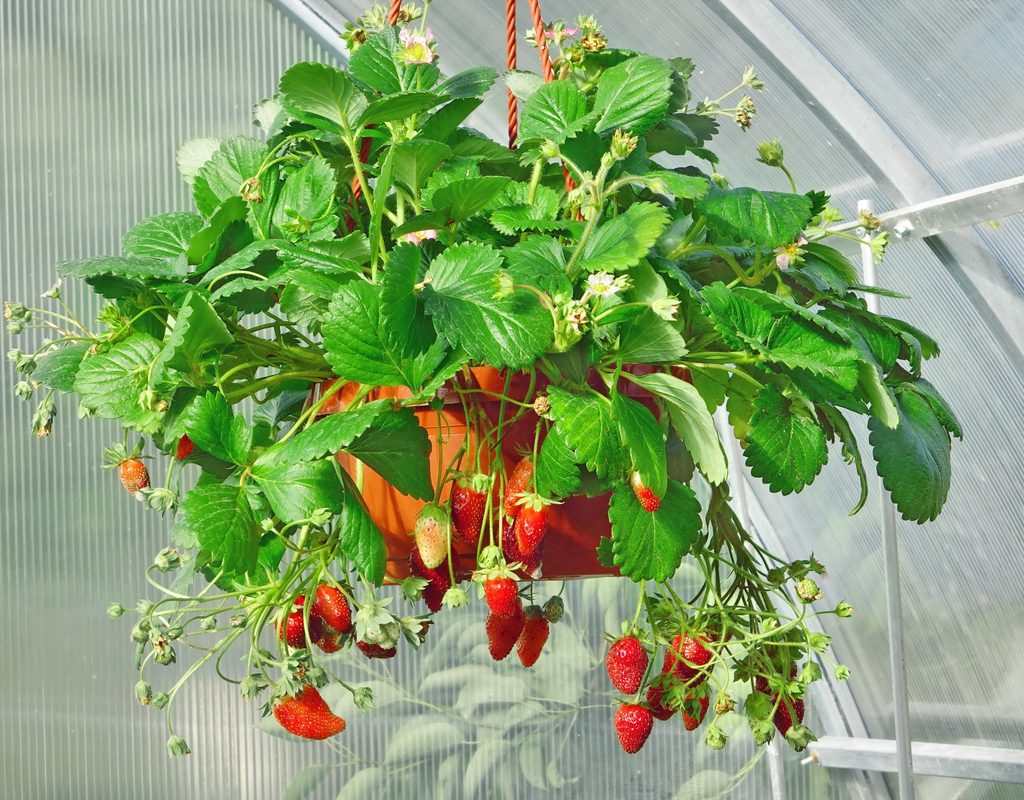
Use small and medium size hanging baskets, up to 12 inches in diameter, for growing smaller plants like strawberries, herbs and salad greens. Multi-tiered hanging baskets can help you take advantage of vertical space, and grow more plants per square foot. You’ll need large hanging baskets, between 14 and 24 inches, to grow crops like tomatoes, peppers, and eggplant. Plastic planters are inexpensive, lightweight, and dry out slowly, which is a helpful attribute for vegetable plants that prefer steady moisture levels. Use a premium container mix to promote healthy root development.
The best way to water
It’s easy enough to water a few hanging baskets with a hose or watering can. But hot, dry weather may call for daily or even multiple daily watering. If you live in a hot or arid environment, or if you just want the convenience of automated watering, a container irrigation system may be a good addition. Drip irrigation kits include a timer, connecters, tubing, emitters, and everything else you need to water a porch, balcony, or patio garden on a consistent schedule. They are fast and easy to assemble, and they let you spend your gardening time on other tasks.
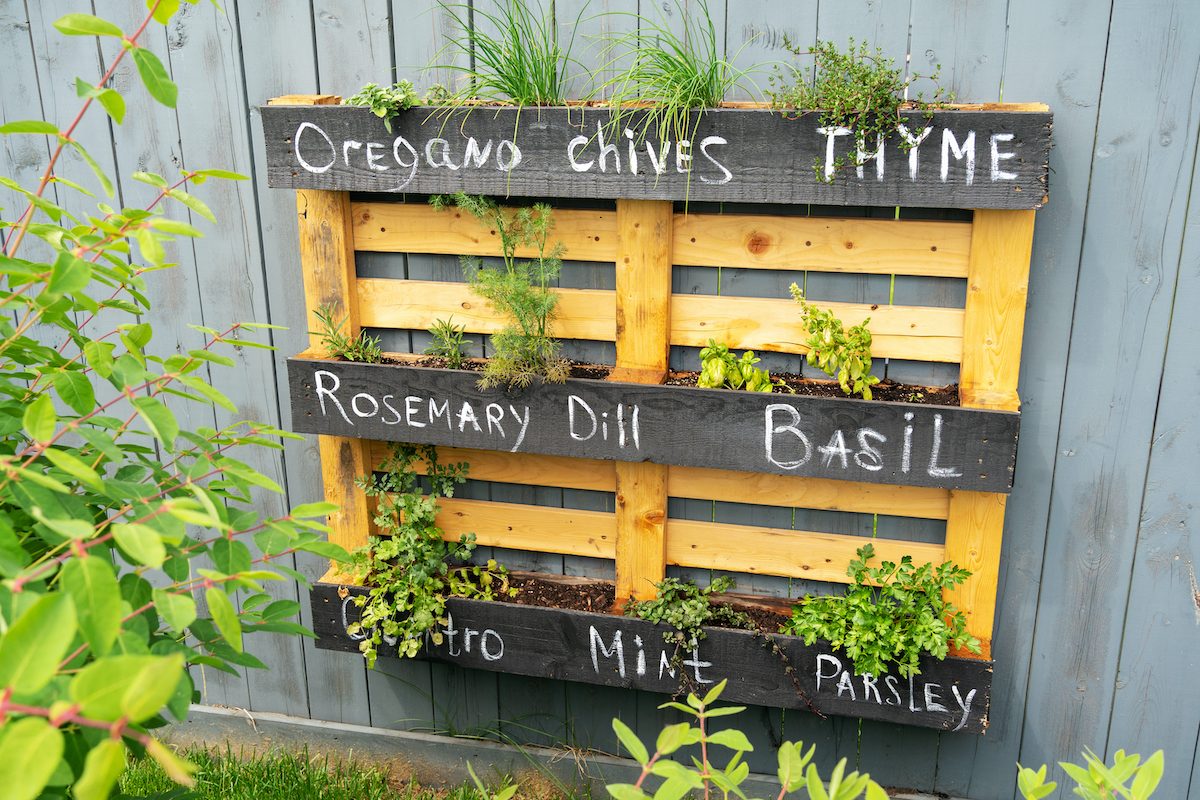
Don’t forget about your walls
When you’ve used up your hanging basket space, the walls provide even more growing area. There seems to Cbe an endless selection of wall planter designs to fit any growing space or design aesthetic. They include trough planters, wall-mounted standard pot holders, window boxes, fabric or plastic wall-size pocket planters, and more. Or, use wall space to attach a trellis above a large planter where you can grow climbing plants such as cucumbers, pole beans, grapes, and even espalier dwarf fruit trees.
Multiple-tier planters
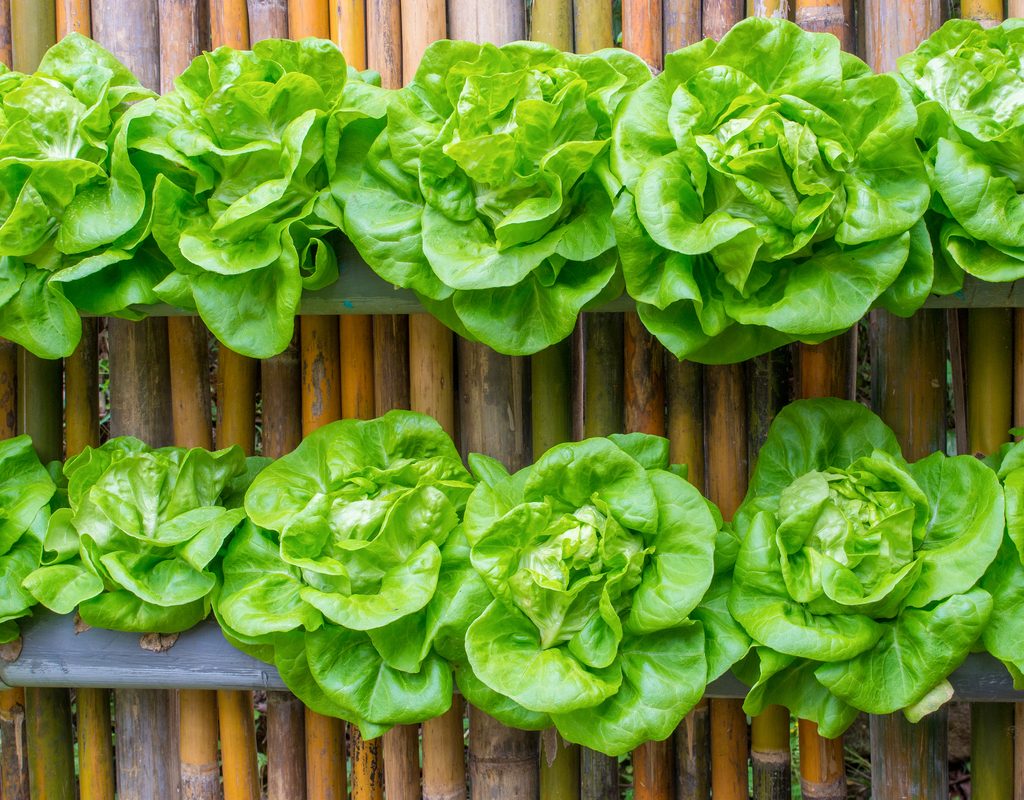
Beneath the hanging planters, save space with free-standing, multiple-tier planters, raised bed kits, or ordinary pots. If ground level planters are shaded by hanging planters, use them for shade-tolerant crops like leafy greens that only need three or four hours of sunlight throughout the day. Even root veggies like onions, beets, turnips, and potatoes will tolerate the lower light beneath a few hanging baskets, although they may take a bit longer to mature.
If you are short on space and long on gardening enthusiasm, you should definitely go for it. With a little planning, a hanging vegetable garden will extend your production vertically to maximize yield.