Fresh, ripe strawberries are a real treat, whether you grow them yourself or go pick them at a strawberry farm. Strawberries are easy to grow, but it can be difficult to wait for them to be ready to eat. Timing your harvest can be tricky, too. Harvest them too soon and the berries will be too firm and not juicy enough. Wait too long and the overripe berries may rot before you can eat them. So when is the perfect time to harvest, and how can you tell if a strawberry is ready to be picked? We have all the information you need here in this simple guide to picking strawberries.
When to harvest strawberries
Knowing when to harvest your strawberries depends on what variety of strawberries you have. There are three categories of strawberries regarding harvest time.
- June-bearing strawberries
- Day-neutral strawberries
- Everbearing strawberries
June-bearing strawberries are the easiest to determine the harvest time for. It’s right in the name! June-bearing strawberries produce fruit in June, but sometimes into July. The length of the days is what triggers these varieties to begin blooming. If you live in a warmer climate or south of the equator, you may see strawberries earlier or later than June. The harvest for June-bearing varieties lasts only a few weeks.
The length of the day doesn’t affect day-neutral strawberries. Instead, it’s the temperature that affects when they bloom and fruit. Typically, the harvest for these varieties runs from mid to late July until the first frost of the year. They produce continuously, so keep harvesting and the plant will continue putting out new flowers.
Everbearing strawberries produce two to three crops per year. This usually comes in the form of larger crops in spring and fall and an occasional smaller crop during summer.
How to tell if strawberries are ripe
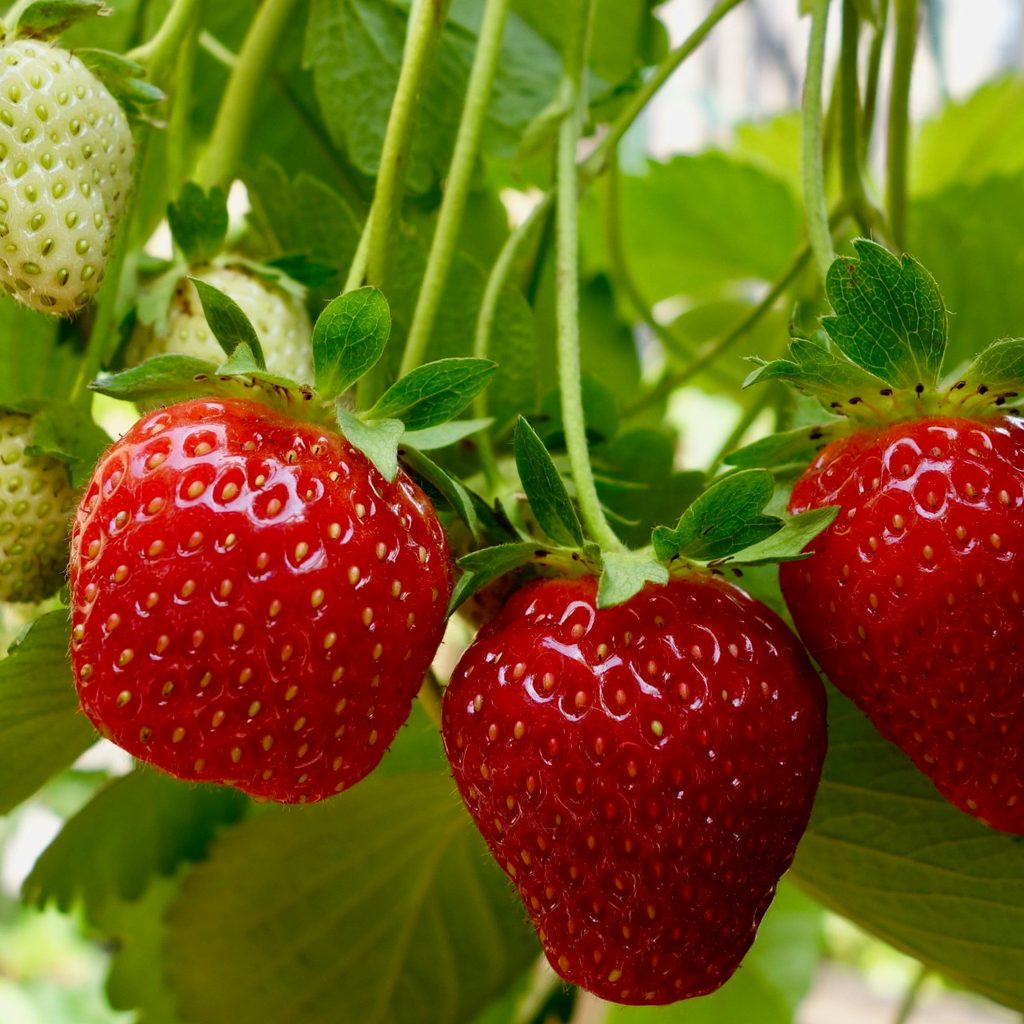
Color and texture are the two best ways to tell if strawberries are ripe. Taste is another good indicator, but it is unfortunately not very helpful for harvesting. Unripe strawberries will be a pale green or white. They are also typically smaller than ripe strawberries, but keep in mind that strawberry size varies between varieties. Ripe strawberries will be bright red over most or all of the fruit. There may be a small amount of white showing at the top, around the leaves. You can harvest them at this stage, or wait for them to finish ripening.
Unripe strawberries will also be hard. Ripe berries should be soft, but not squishy. If you gently press it between your fingers, it should give slightly but not burst. Some fruit will continue to ripen after it has been harvested, but strawberries will not. It’s important to only harvest ripe berries, as unripe berries are unpleasant to eat and will not become ripe after they’re harvested.
What are the proper picking techniques?
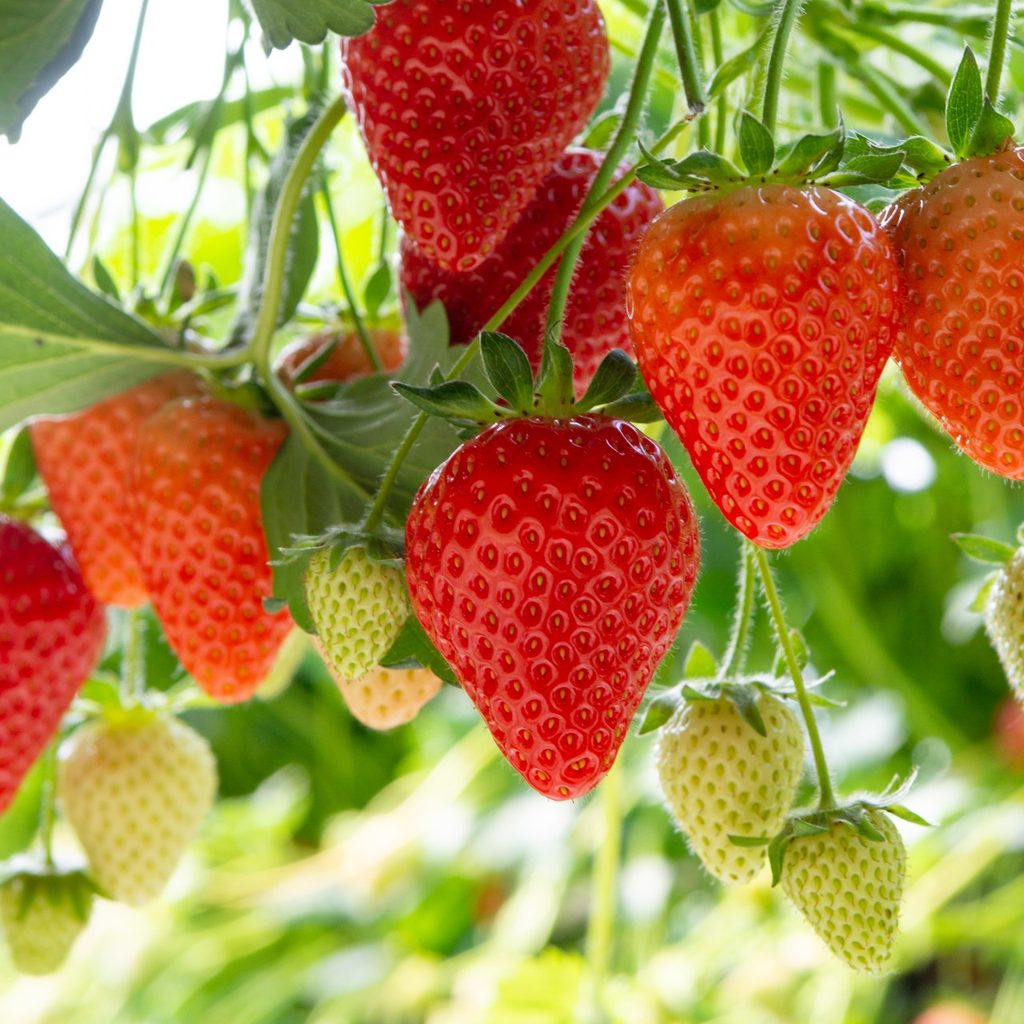
The best way to pick a strawberry is actually not to pick it at all. Using force to pull a strawberry off of the plant could cause damage to the plant or result in a squished strawberry. Instead, clip the strawberry off of the plant using a small pair of scissors or garden clippers. This method is much easier on the plant and carries less risk.
If you don’t have a pair of scissors available, find a point above the strawberry and twist the stem sharply, breaking the berry with part of the stem away from the rest of the plant. Although this isn’t as neat as clipping the stem, and it can still injure the plant, you are less likely to damage the berry.
If pulling is your only option, do so delicately. Hold the stem in one hand and pull the berry gently but firmly with the other. Twisting it slightly can loosen the berry’s hold on the stem. If you feel like the berry is about to be crushed, stop for a moment to loosen your grip.
How to best store your strawberries
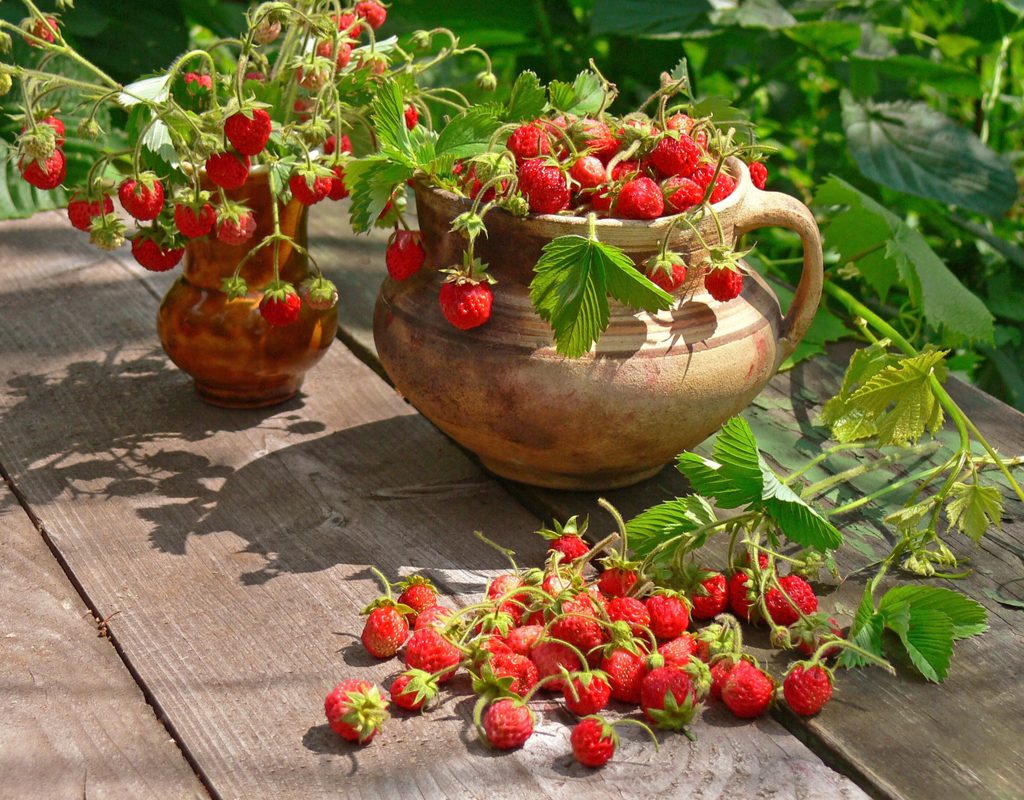
If your strawberries are whole and undamaged, then you can leave them unrefrigerated for one or two days without cause for concern. However, they will last longer if refrigerated or frozen. If you plan to eat them in the following week, then it’s best to refrigerate them. You can store them in any container, but you’ll see the best results in an airtight container, such as a glass jar with a lid.
If frozen, strawberries can last a year. However, they often have an unpleasant texture when thawed. Strawberries that have been frozen for a significant length of time are best in smoothies or jams, where their texture won’t interfere with the end result.
Now you know everything you need to start picking strawberries. Be sure to check what type of strawberry plant you have when you’re planting it, as this can save you a lot of time and trouble down the road. If you don’t know what type of strawberry plant you have, just wait patiently for it to bloom. Fruit follows flowers, so when you see buds form, you can rest assured that delicious strawberries aren’t too far away.