Hummingbirds are the harbingers of springtime, finally inviting some color and a bit of life to gardens thawing out from winter. In areas like Southern California, it’s not uncommon to see some of these small, beautiful creatures as early as February. In other regions of the U.S., they will start to pop up in March or early April with homemade hummingbird nectar in feeders outside. Long before the wildflowers bloom and other species of birds begin to hatch from their eggs, listen for the flurry of hummingbirds filling the air and know that springtime is near.
Regardless of where you live, you can attract hummingbirds from your neighborhood into your garden relatively easily. There’s something so peaceful about watching these tiny creatures zipping about your yard. If you want to get a better look at your tiny neighbors while keeping them fed and happy, you just have to make a few small purchases and tweaks to your yard.
Here are a few things you can incorporate at home to attract hummingbirds.
Native plants
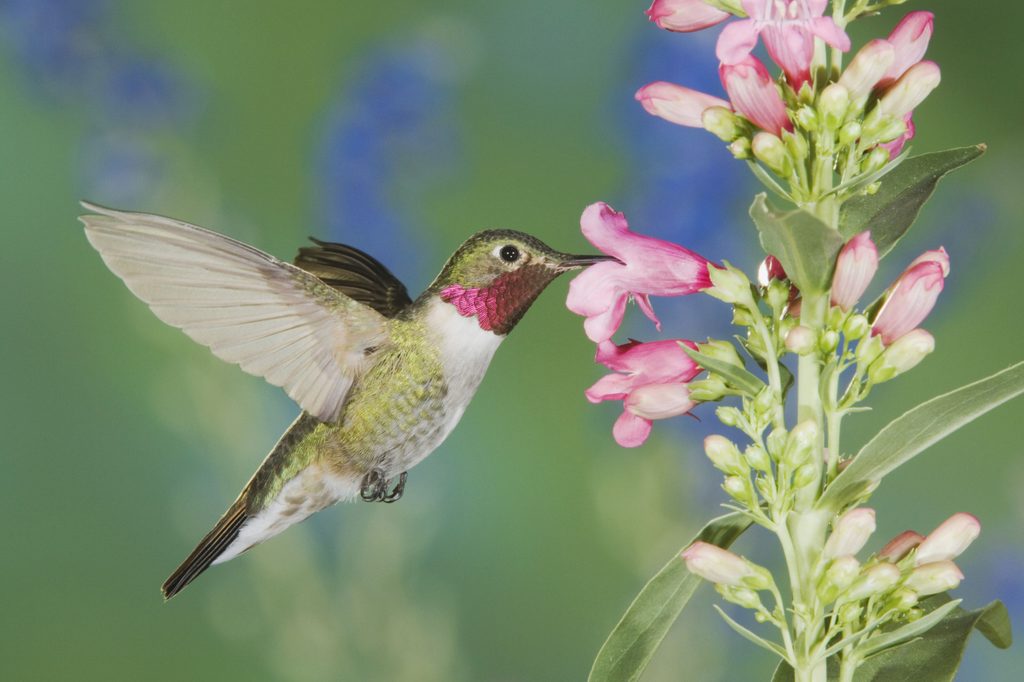
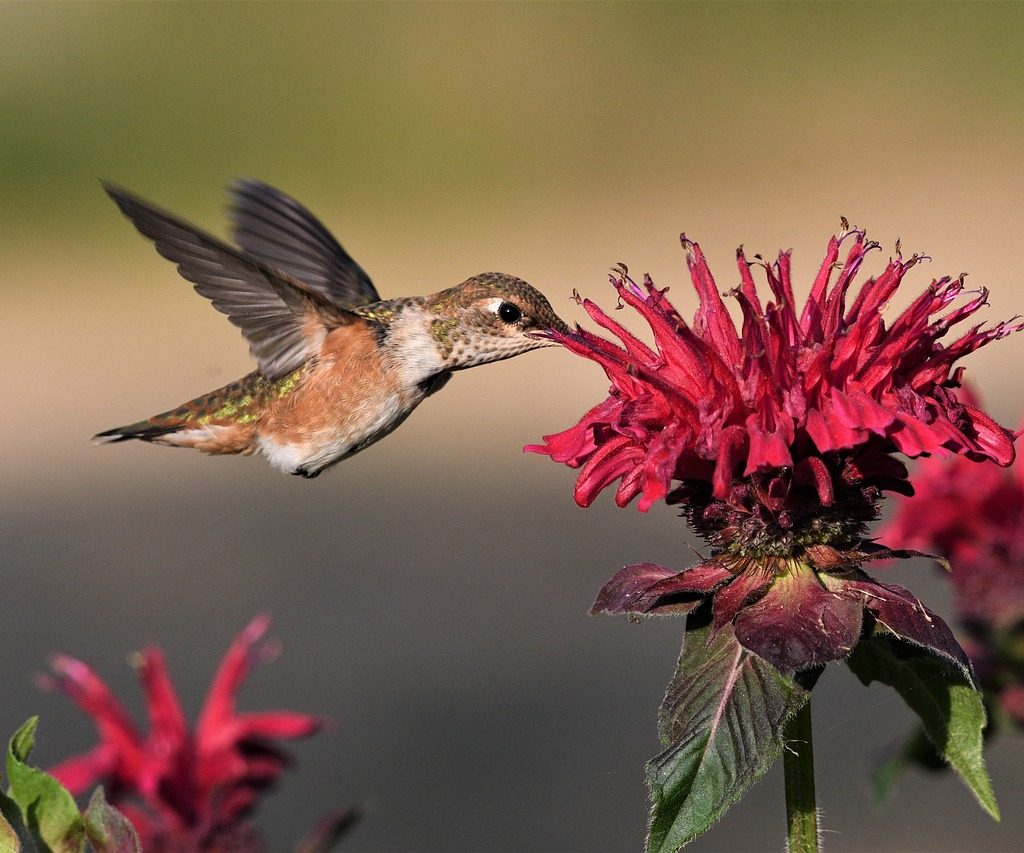
The first step to attracting hummingbirds is to fill your garden with flowers that they like to sip on. Hummingbirds enjoy tubular, nectar-producing flowers like bee balm, fuchsia, salvia, or hollyhocks. It’s true that hummingbirds can see bright reds, oranges, pinks, and yellows easier than most other colors, so try to keep this in mind when picking out your next flower patch.
Incorporate some flowers that grow natively in your region. Plants growing in the right conditions are more likely to flower and produce larger amounts of nectar that will attract more hummingbirds. Besides their unique appearances, hummingbirds are expert pollinators. We’re not talking the birds and the bees here, but hummingbirds feed five to eight times per hour, which means they’ll visit potentially hundreds of flowers in a day.

Hummingbird feeders
Those little red feeders seem like the most obvious device to attract hummingbirds, but not all hummingbird feeders are created equal.
Realistically, the most important factor for buying a feeder is finding one that is easy to disassemble and clean. You’ll want to change out the hummingbird nectar every few days, especially during warmer months. Not properly changing and cleaning your feeder can lead to bacteria buildup and spoiled nectar, which could dissuade hummingbirds from coming back or make them sick. If purchasing a plastic feeder, make sure it’s BPA-free. In 2023, most plastic feeders should be nontoxic, but it doesn’t hurt to double-check and save yourself some heartache once it’s too late.
Remember, hummingbirds see certain colors better than others, so if you’re looking to attract new friends to your garden, opt for a brightly colored feeder. However, when making hummingbird nectar at home, skip the red dyes and food coloring. Just keep it simple with a four-part water to one-part white sugar mixture.
Environmental factors
Hummingbirds are surprisingly territorial. If you’re looking to fill your yard with feeders or tasty flowers, make sure to space them out to give your hummingbirds adequate space to feed in peace. These tiny, cute birds look innocent, but will furiously chase off other hummingbirds that get too close to where they’re eating.
They also like to perch close to their food. For instance, they may enjoy sitting on string lights that hang near their feeder, as well as the top of a nearby trellis. Really, anything they can grasp their little feet around should do, including a strategically placed branch or twig. Hummingbirds may also be wary of any confined spaces, so if you have a partial roof or covering, you may struggle to convince hummingbirds inside.
Lastly, make sure to keep an eye on your pets. Dogs will likely enjoy watching the hummingbirds and may bark at them. Hummingbirds may be fast, but if they’re constantly being hunted by larger predators, they’ll find somewhere more peaceful to perch.
Whatever your method, just be patient and be consistent. Go for walks around your neighborhood and listen for the flurry of hummingbird wings. Convince your neighbors to make their yards hummingbird-friendly spaces as well. If the conditions are right, you should see at least a few hummingbirds stop by once the time comes.