Ever wondered how to get a green lawn of your own that the whole neighborhood will admire? From fertilizer to the way you water your lawn, there are several ways you can get the green grass you’ve always wanted for your yard or property. Keep reading for some easy tips and tricks to get a lush, dark green lawn. Whether you’re a beginner at growing your lawn or you’ve been doing this a long time, these tips might include new info you can use to get the emerald-green grass of your dreams.
How do I make my grass greener?
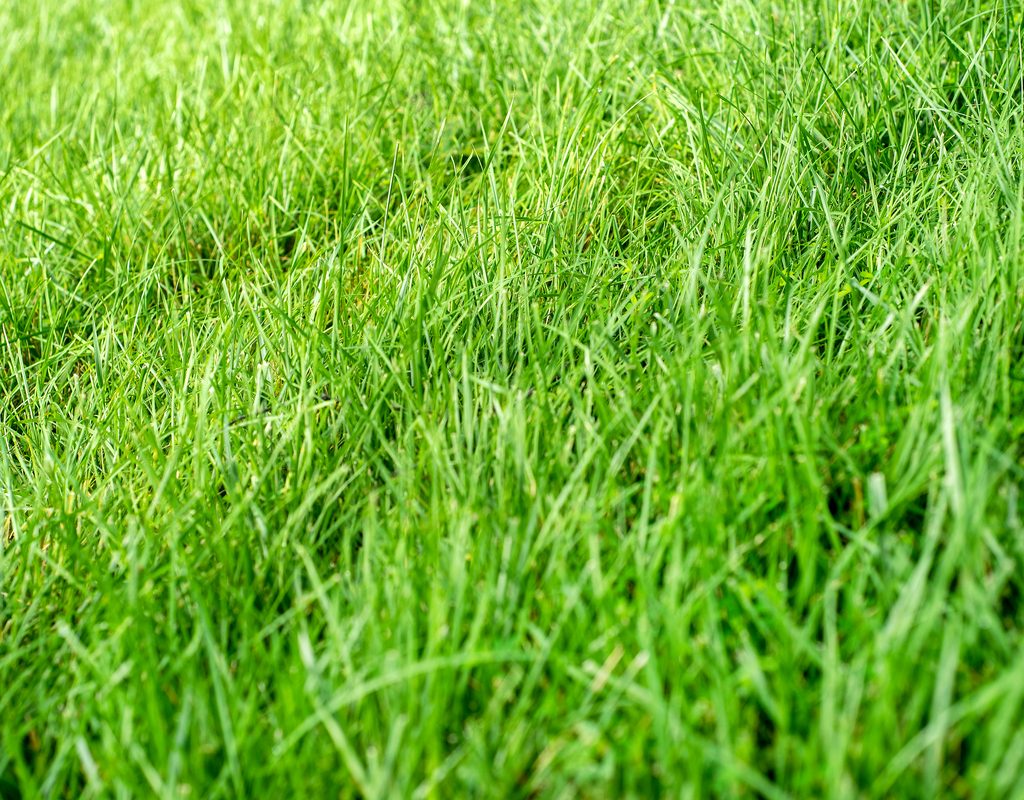
If you already have a lawn planted and are just looking to spruce it up, there are a few things you can do to improve the look and health of your grass. Here are some tips.
Fertilize regularly, even in the fall
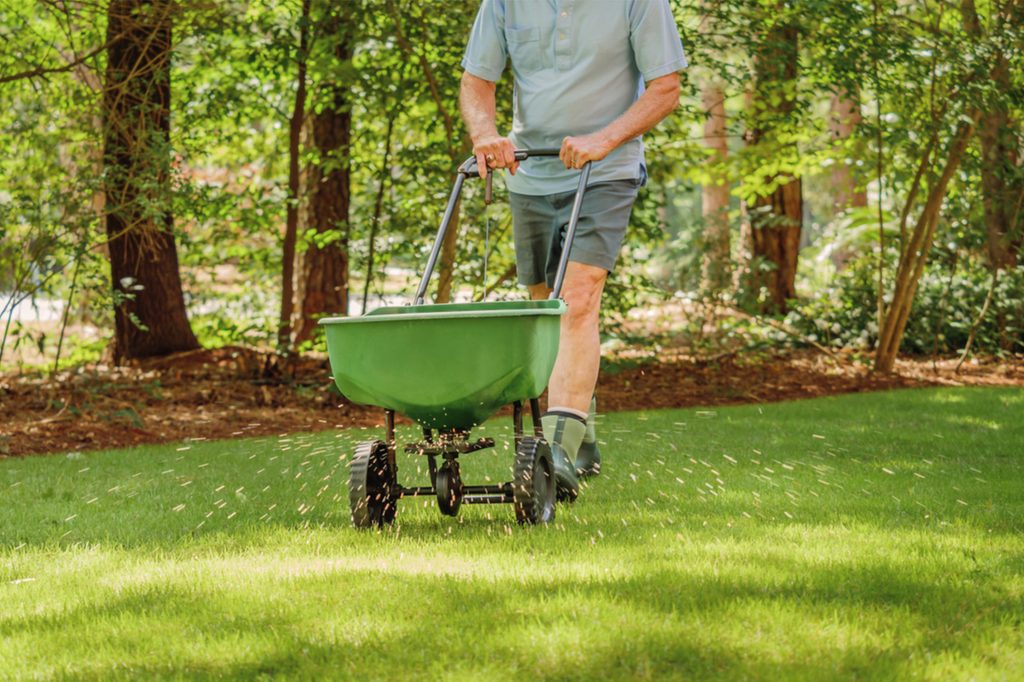
Fertilizers, whether store-bought or homemade compost, are an excellent way to get a fuller, more beautiful lawn. Make sure you’re fertilizing regularly, and remember to add fertilizer in the fall, even if you’ve stopped mowing for the year. Fertilizing in the fall will ensure your lawn survives the winter, as it helps the grass bulk up before the cold months, like a bear about to hibernate. Give it the nutrients it needs to get through the coldest part of the year and you’ll see stronger, greener, healthier grass return in the spring.
Improve your mowing strategies
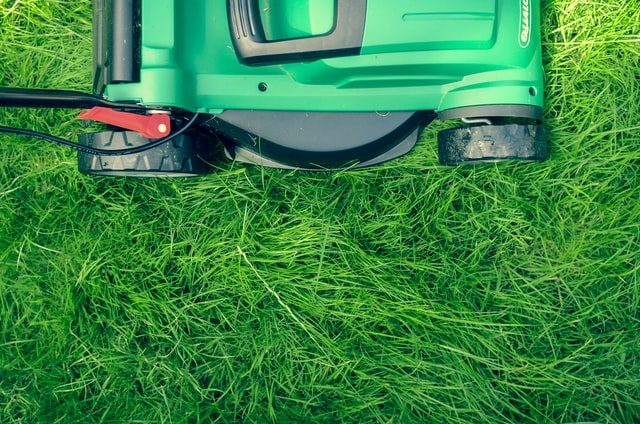
Another easy way to improve the look of your lawn is to change the way you mow it. Check your blades to see if they’re becoming dull, and sharpen them if you need to. Dull blades tear the grass instead of cutting it cleanly, and torn grass turns brown much more quickly. Consider changing the height you cut at and not taking quite as much off the top. Cutting too much of any plant at once can stress it out, and your grass is no exception. Trimming off just the ends leads to a healthier, greener lawn.
Finally, if you find you mow in the same pattern every time you cut the grass, you’re likely crushing the same sections of grass each time with your wheels. Add a little variety to your mowing route to easily avoid this problem.
Make sure your lawn gets the moisture it needs with additional watering
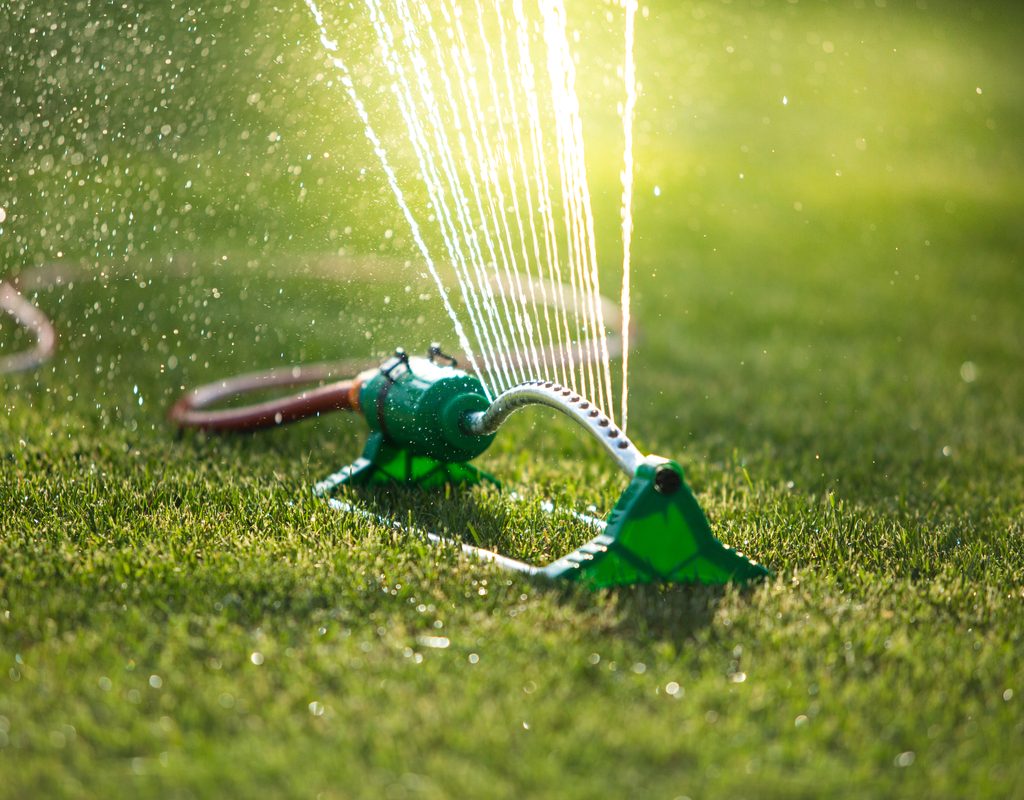
Watering your lawn is also important. In many climates, your grass should get most of the water it needs from rain, with only occasional watering to supplement rainfall. If you live somewhere drier, you may need to water your lawn more frequently. Water your lawn early in the morning or in the late afternoon so the water has time to soak in before evaporating, which helps you avoid burning your grass.
In the event of a drought, you can conserve water by creating a rain barrel or by saving some of the water you use that might otherwise go down the drain. As long as the water doesn’t have any chemicals or a lot of salt mixed in, it’s safe to use on your lawn.
How do I get started creating a beautiful green lawn?

If you haven’t already established your lawn, here are some things you can do to ensure your new lawn comes up strong, lush, and vibrant. First, properly loosen and aerate your soil. This makes it easier for the roots to grow thick and strong and for the plants to get plenty of oxygen. You can turn an inch or two of topsoil, as you would in a garden, with professional aerators or with a trowel or garden fork. Seeding thickly and reseeding in the spring, especially if you have thin spots in your lawn, helps maintain a thick, luscious yard.
Dandelions, often considered the bane of lawn care, actually break up soil and aerate lawns naturally due to their long, strong roots. If you find your lawn filled with dandelions, let them do some of the work for you before getting rid of them. If they’re going to hang out, you might as well put them to work for you!
Invest in premium grass seeds
You’re more likely to enjoy fresh, healthy blades of grass if you invest in high-quality seeds upfront. When shopping for grass seeds, be sure to look for premium-quality seeds to fill out those empty patches. For the most part, these high-quality mixes will contain less weeds and crop seeds, so you won’t have to manage any stragglers that grow awkwardly from your lawn or deal with grasses that are ill-suited for your environment. Cheaper grass seeds may contain not only other seeds but also filler material such as dirt and stems.
Ideally, the label on your seed bag should indicate 0% weeds and other crops. Even a low percentage like 1% weed seed could yield hundreds of weeds.
What can I spray on my lawn to make it greener?

There are plenty of chemical and organic sprays that claim to make your grass greener, but knowing which one is right for your lawn can be a challenge. If the pH of your soil is higher than 7, look for sprays or fertilizers that include iron sulfate or sulfur.
Homemade compost is great for this. For a soil pH lower than 6, look for sprays or treatments that include limestone. Slow-release sprays and fertilizers, or ones that release nutrients in stages over a period of time, are excellent for helping your grass fend off weeds, which in turn leads to a greener, healthier lawn.
What is the greenest grass variety?
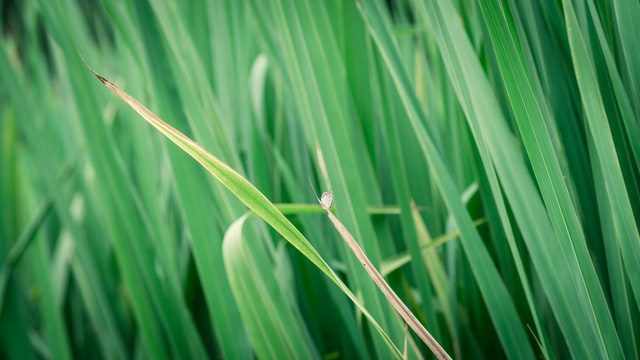
Grass grows almost everywhere, and there’s certainly no shortage of varieties. If you’re looking for dark green grass, Kentucky bluegrass is a favorite among many lawn experts, with perennial ryegrass not far behind. Both have dark, rich colors and grow quickly and thickly. Just note that if you live somewhere with very hot temperatures, these grasses might not be the best choice; they both prefer cooler climates over warmer ones.
If you live farther south, look for floratam, a variety of St. Augustine grass. It grows more slowly than Kentucky bluegrass, but it has a similar dark green color. Bermuda grass, another Southern favorite, grows more quickly than floratam and is also a deep, rich green. If you’d like something vibrant but light, check out centipede grass! It has an interesting, pale-blue-green color that’s sure to turn heads.
Lawn care doesn’t need to be stressful, and a green lawn doesn’t have to be out of reach. If you want to know how to get a green lawn, these tips can help you get and keep the lawn of your dreams. With a little work and some patience, even the driest brown lawn can become lush, beautiful, and green.