If pest damage in your garden has left you wondering how to get rid of cutworms, then this article is for you. Cutworms are a type of caterpillar known for causing massive amounts of damage. They cut down young plants in the night and disappear during the day, leaving carnage and frustration in their wake. For those of you struggling with these pesky pests, here’s what you need to know to deal with them.
How do you get rid of cutworms?
There are a few options for getting rid of cutworms. Pesticides are an option, but they are generally only recommended in severe cases. If you use pesticides, be sure to read all the instructions carefully, to keep you and your plants safe.
To prevent cutworms from entering your garden in the first place, remove all excess plant matter. Carefully and thoroughly weed your garden, as weeds make perfect breeding grounds and hiding places for cutworms. Add compost to your garden instead of green manure or cover crops for the same reason.
Till your soil before you plant at the beginning of spring and again at the start of fall. Cutworm larva lives under the soil, which protects them from freezing during winter. Tilling your garden exposes them to the elements, so you’ll be dealing with far fewer than you normally might. If you expose some cutworms or just happen to spot a few in your garden, you can remove them by hand.
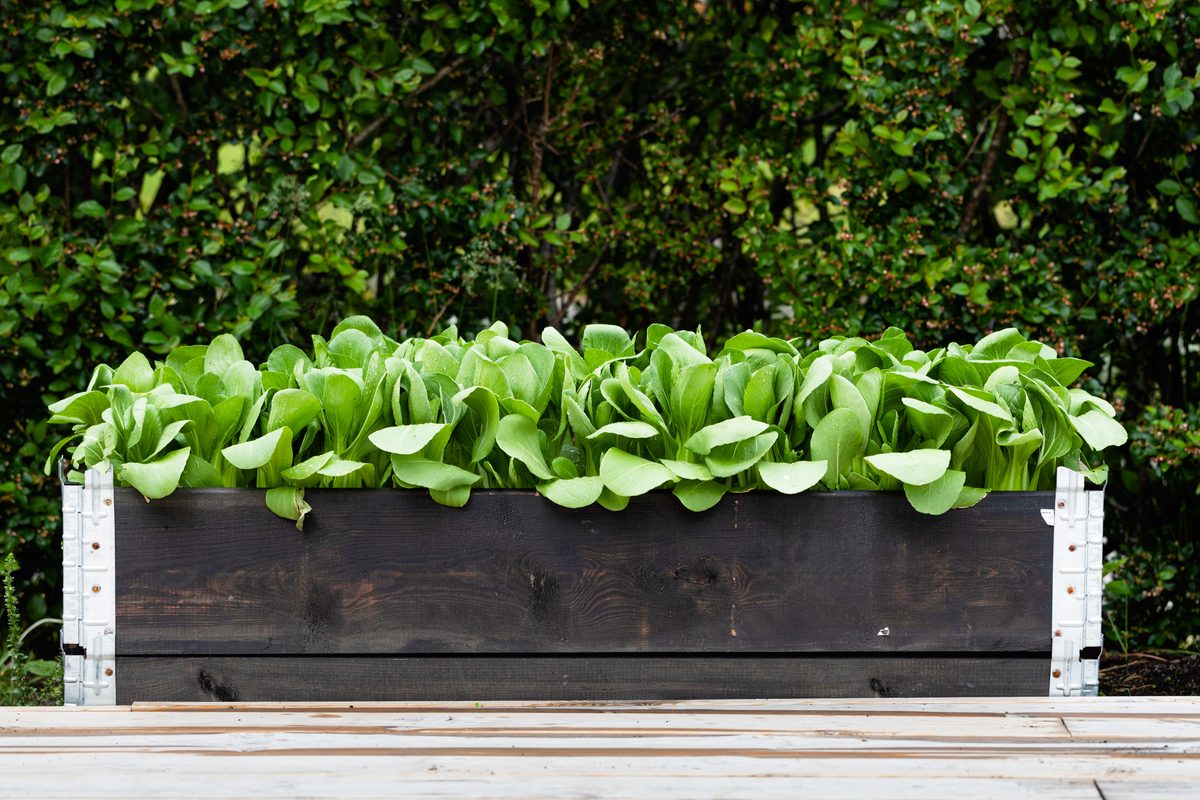
Creating a barrier between the plants and potential pests also does wonders. This barrier can take a few different forms. A border of dry earth around your garden can dissuade cutworms from entering. A more literal barrier can mean growing your plants in a raised garden bed or making a plant collar.
Plant collars can be made from cardboard, aluminum foil, or an empty paper towel roll. The collar should be like a wall around the plant and should stand several inches tall at least, as well as going a few inches into the ground to stabilize it. This type of barrier can keep out cutworms and other similar types of ground-crawling pests.
You can also attract predators that eat cutworms. While your plants are a great meal for cutworms, cutworms are a tasty treat for birds, fireflies, and spiders. While it isn’t recommended to buy firefly larva or spiders to release into your garden, you can attract them naturally by making your garden appealing to them.
Do coffee grounds deter cutworms?
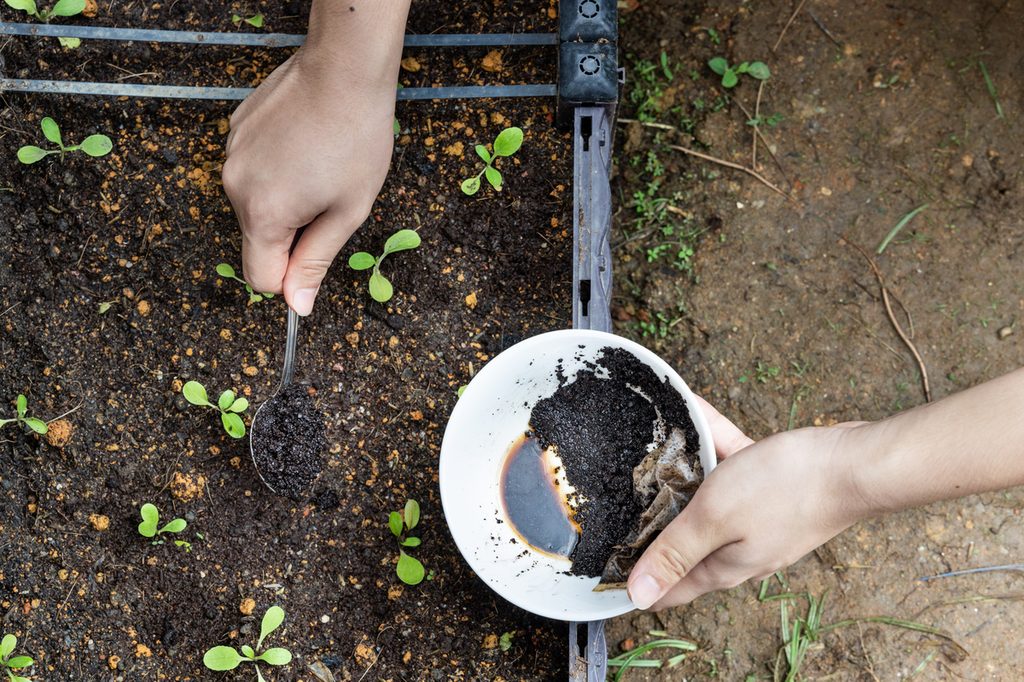
Conventional wisdom says that yes, coffee grounds deter cutworms. Eggshells and diatomaceous earth can be used similarly, too. Spread a layer around individual plants, between the rows of plants in your garden, or even in a grid pattern. The idea is that the texture is so unpleasant, or even harmful, for soft-bodied insects that they will refuse to cross it. This is currently unproven, but many gardeners swear by it. What is proven is that coffee grounds and eggshells make excellent compost, and well-nourished plants have better natural defenses against pests.
What do cutworms eat?
Cutworms will eat just about any type of plant. They like tender, young plants and new foliage. Cutworms generally eat the stems of these young plants, causing them to topple over, after which they may eat the leaves as well. Some types of cutworm can climb, so if you notice damage at the top of your plants, don’t rule out cutworms until you’ve caught the culprit.
Cutworms are especially prevalent in vegetable gardens, although you can find them in flower gardens, too. Since they prey on young plants, they do most of their damage during the spring. They don’t disappear during the summer, though, so you still want to keep an eye out for them.
Where do cutworms hide during the day?
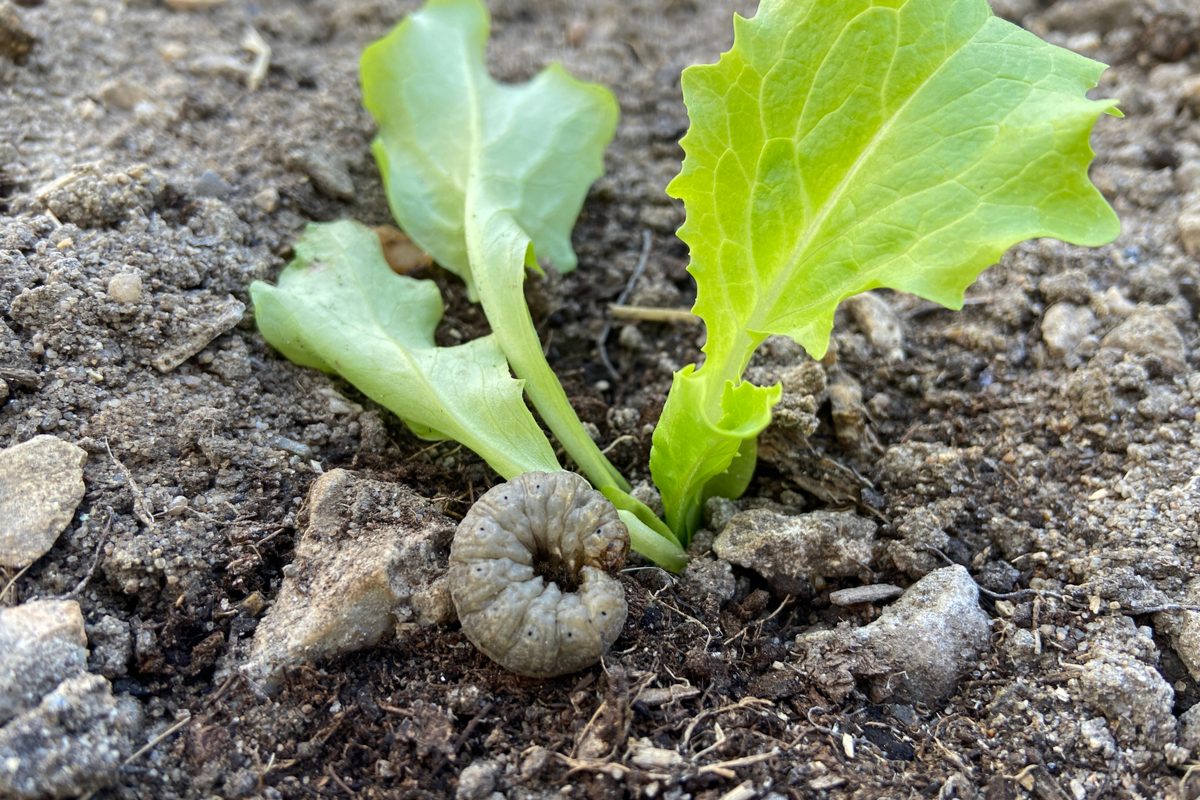
During the day, cutworms sleep about an inch below the surface of the soil. They curl up into a C shape, which can make them harder to spot as they blend into the soil. This is also where larva cutworms reside before they’re ready to start their spring feasting. Regularly tilling the soil can help reduce the number of both larva and adult cutworms you see throughout the year.
These nasty little insects can cause an endless amount of headaches for gardeners. No one should have to worry about cutworms, and now you don’t have to. Keep a close watch on your plants, put up some barriers, and be meticulous about your weeding. By following these simple steps you can cut cutworms out of your life.