  1. Home
  2. Gardening
  3. How tos

Are garden spiders bugging you? Here’s how to rid of them (and why you might not want to)

How to get rid of garden spiders

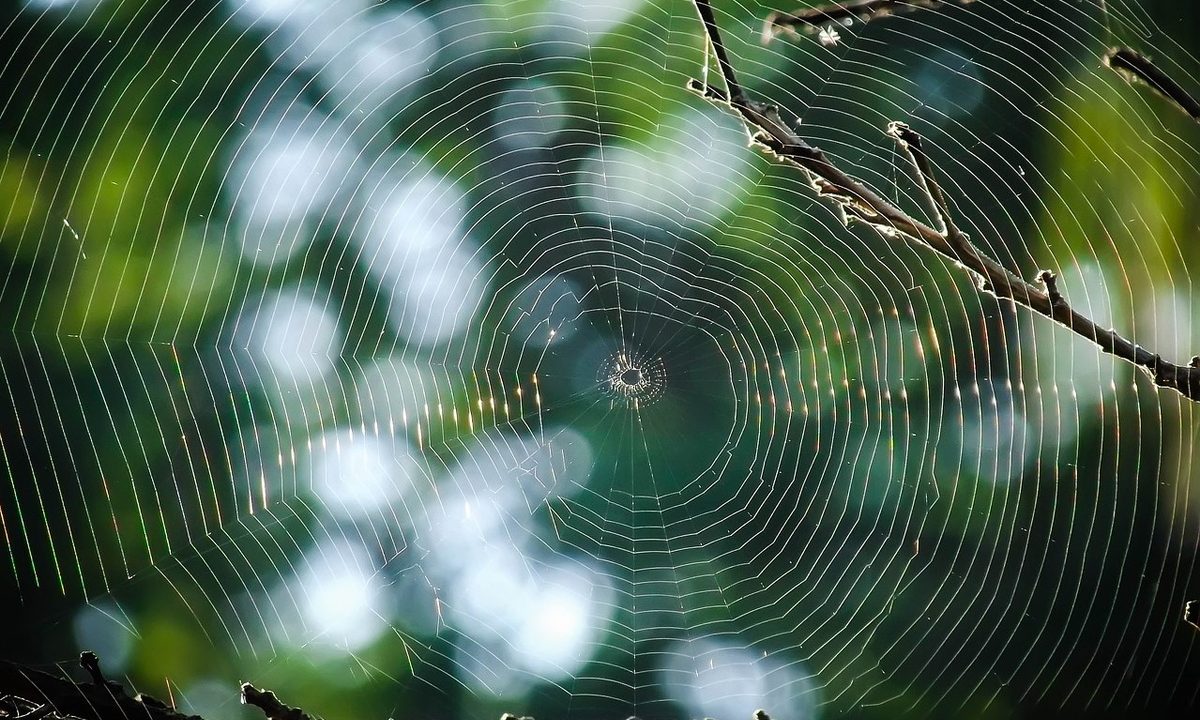
A spiderweb between branches
Image used with permission by copyright holder

There are all sorts of creatures that might turn up in a garden, but there are few quite as polarizing as spiders. Spiders are a major source of fear for many people, but they also play an important role in the ecosystem. We’ll give you all the facts, so you can understand both how to get rid of spiders and why you should consider leaving them alone!

Recommended Videos

Difficulty

Easy

Duration

45 minutes

What You Need

  • Neem oil or insecticidal soap

  • Strong-smelling herbs

A spiderweb in an apple tree
Image used with permission by copyright holder

Why you might want to let the spiders stay

Spiders are an essential part of a thriving ecosystem and provide an important service to your garden. Their main benefit to gardens is that they keep the insect population down. Spiders catch and eat many insects, including aphids, flies, mosquitoes, and even some beetles. These insects can be annoying to deal with as a gardener, but many of them are also plant-eating pests. By getting rid of these pests, spiders are protecting your plants and serving as the world’s best natural pest control.

A small spiderweb between flowers
Image used with permission by copyright holder

How to get rid of spiders

If you have severe arachnophobia or live in an area with dangerous spiders, then getting rid of spiders might be a better option for you. Simply follow these tips to remove spiders from your garden and discourage them from returning.

Step 1: Remove their webs.

You can brush them off with your hands or use a stick to break them up. If the spider has just moved in, this might be enough to encourage them to make their webs elsewhere. If the spider has been there for a while, or if there is a significant amount of food for them, they might continue to build webs there. Keep removing the webs and follow the next steps.

Step 2: Use neem oil or insecticidal soap to control the pest population.

Spiders are attracted to areas with lots of insects for them to eat, so controlling the insect population in your garden will keep spiders at bay as well. Using neem oil or insecticidal soap is safer for the environment than other chemical sprays.

Step 3: Plant strong-smelling herbs.

Herbs like basil, mint, and rosemary seem to repel insects and spiders.

Step 4: Remove excess foliage.

This includes weeding your garden thoroughly, removing dead plants, and keeping a strip of empty soil around your garden. This eliminates places for spiders and pests to hide.

Step 5: Limit the amount of outdoor lighting used at night.

Lights attract moths and other insects, which spiders love to eat. Limiting your lights to what is essential will also limit your moth population, which gives spiders less of a reason to stick around.

Now that you understand the full picture, you’re ready to go into your garden and decide whether those creepy-crawlies should stay or go. If you decide to kick them out, the tips above can help you get rid of spiders without harming your plants. Alternatively, maybe you’re able to look at your garden spiders with a little less fear now that you know how hard they’re working to keep pests away from your plants!

Keep Bermuda grass at bay with these lawn care strategies
Tips on keeping unwanted Bermuda grass under control
Manicured Bermuda lawn

Bermuda grass, also known as Cynodon dactylon, is a common type of lawn grass. Its toughness, adaptability, and creeping growth habit attract either appreciation or disdain from the homeowners, gardeners, landscapers, and others who plant it or are invaded by it. While it's hardy nature makes it a resilient lawn grass, its habit of spreading can make it a serious nuisance. Even worse, once it's spread into an area it's incredibly difficult to get rid of. If Bermuda grass is spreading into your lawn from the surrounding area or you've just moved into a new home with a Bermuda grass lawn you'd like to replace, then here are our tips for controlling it.

Read more
Sustainable gardening: Tips for a greener, eco-friendly garden
Make your garden more sustainable with these tips
Cupped hands holding soil and little seedling

Gardening can be a rewarding, fun, and useful hobby, but it can also be challenging at times. If you’re struggling to keep your garden healthy and happy, then it might be time to consider switching to a more sustainable gardening method. Sustainable gardening can make your garden easier to care for, and it’s better for the environment. If you’re wondering about what exactly sustainable gardening is and how it works, then this is the guide for you! We’ll explain what it is and help you get started with some tips and tricks.
What is sustainable gardening?

Sustainable gardening doesn’t have a single concise definition, and it can take many different forms. Unfortunately, that sometimes leaves gardeners (especially beginners) a bit confused. To break it down, sustainable gardening methods focus on the environment, including being mindful of what chemicals or invasive species are being introduced to the ecosystem and trying to mimic the natural conditions of the environment in your garden.

Read more
How to get rid of gnats without harming your plants
Follow these tips and get rid of gnats now
Potted herbs on a windowsill

In most cases, gnats are little more than a nuisance. For gardeners, though, a gnat infestation can spell devastation. While adult gnats don’t damage plants, the larvae will eat roots and leaves. In large numbers, they can cause serious damage. There are many pesticides on the market, but some plants are sensitive to the chemicals in them. Luckily, there are other options for controlling a gnat infestation, so you can save your plants without scorching their leaves. This guide on how to get rid of gnats in plants will explain everything you need to know.

Read more