Weeding your garden is one of those things that everyone says you need to do, but if you’ve never had a garden before, then you might not know how to do it. It’s a fairly simple and straightforward task, especially if you know what types of weeds you’re dealing with.
It can also be tempting to just spray on some herbicides and let the chemicals do the work for you. Herbicides aren’t the most effective way to weed your garden, though! There are simpler, healthier alternatives that can work wonders in even the most weed-filled garden. Here’s your simple guide on how to weed a garden without herbicides.
Why weed naturally?
Herbicides can be very effective at killing weeds, but they can also harm your other plants. When used properly, in small doses, you may be able to target just the weeds. However, if the herbicide gets on your garden plants, they can also suffer. This is because the only difference between a weed and a garden plant is one is planted deliberately and the other is unwanted. Weeds aren’t any different from other plants, so it’s difficult to make chemical formulas that only affect them.
Additionally, gravity and water can carry herbicides out of your garden. They may find their way into any nearby water system, which can be devastating for the ecosystem of that body of water. The negative effects can get worse if water carries the herbicides even farther away.
Although one person using a small amount may not have a large impact, it’s important to remember that other gardeners in the area may be doing the same thing. The small amounts of herbicide from each gardener can add up, causing a lot of damage.
Weeding with tools
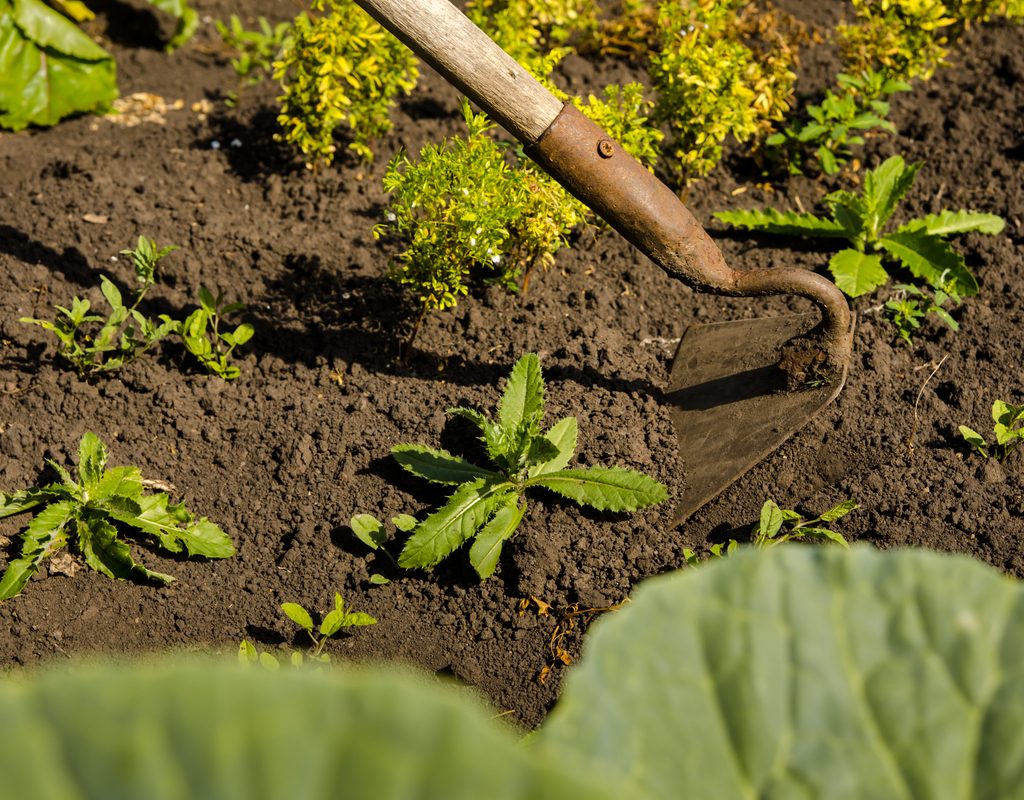
If you haven’t planted your garden yet, or have a lot of space in between your plants, then weeding your garden with a tool might save you a lot of time. Using a hoe or garden knife can be a quick way to weed if you have a large number of weeds to pull up. These tools are also particularly effective against weeds that are larger or have longer roots. However, if you have just planted your garden, then it’s easy to accidentally uproot your new plants along with the weeds.
Using your tool of choice, slide it into the dirt beside the weed. Leverage the handle away from the weed, so the blade underground moved toward the weed. For smaller weeds, you can do this in one short, sharp motion and pull the plant up at once. For larger plants or those with deeper roots, you may need to repeat the motion to loosen up the soil.
Weeding by hand
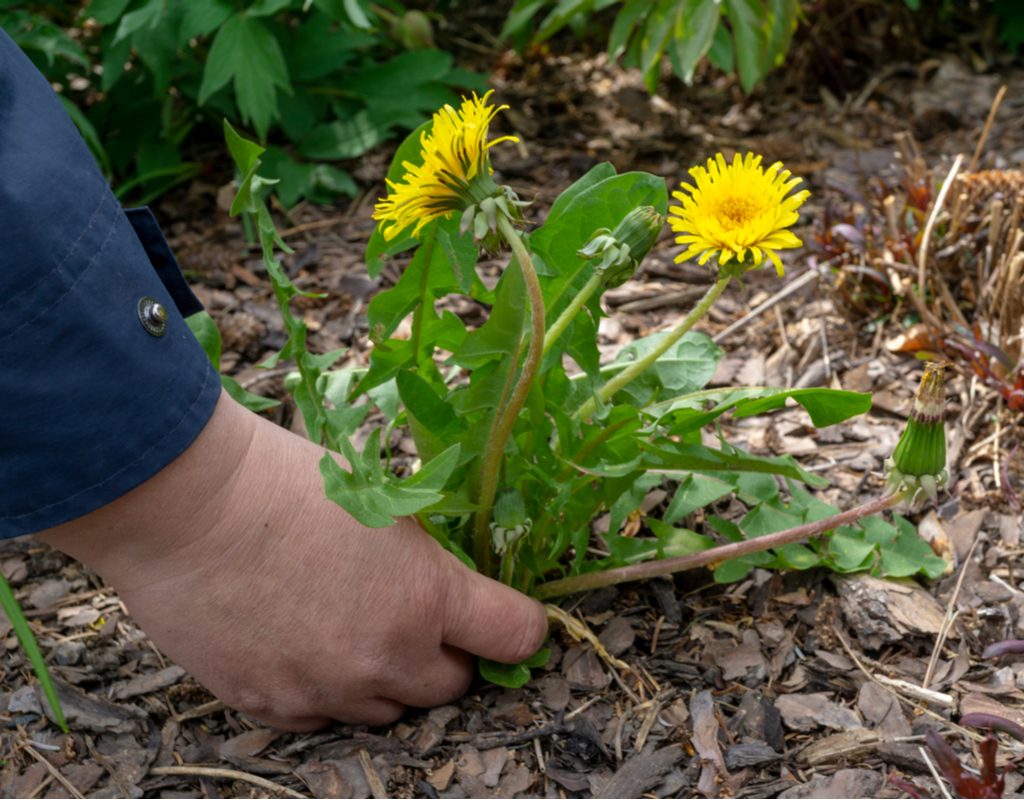
Weeding by hand is simple in any circumstance, and while it tends to take longer overall, it’s more effective if you have already planted your garden. Since it’s easy to confuse young sprouts with weeds, it’s a good idea to mark where you planted your seeds. There are plenty of cute signs you can find or make, but the marker can also be as simple as a stick you put in the ground or a stone placed next to (not over!) the seed.
When it comes to weeding by hand, there’s actually a best way to pull weeds. If the soil is hard and compacted, you may have an easier time pulling weeds if you loosen or moisten it first. Grip the weed at the base, as close to the ground as you can manage. Pull it up in one smooth, even motion. Try to get as many of the roots as possible (loosening or moistening the soil helps with this). Don’t worry too much if you leave some roots behind. You can chop the remaining weed roots into smaller bits with any edged object.
Using weed barriers
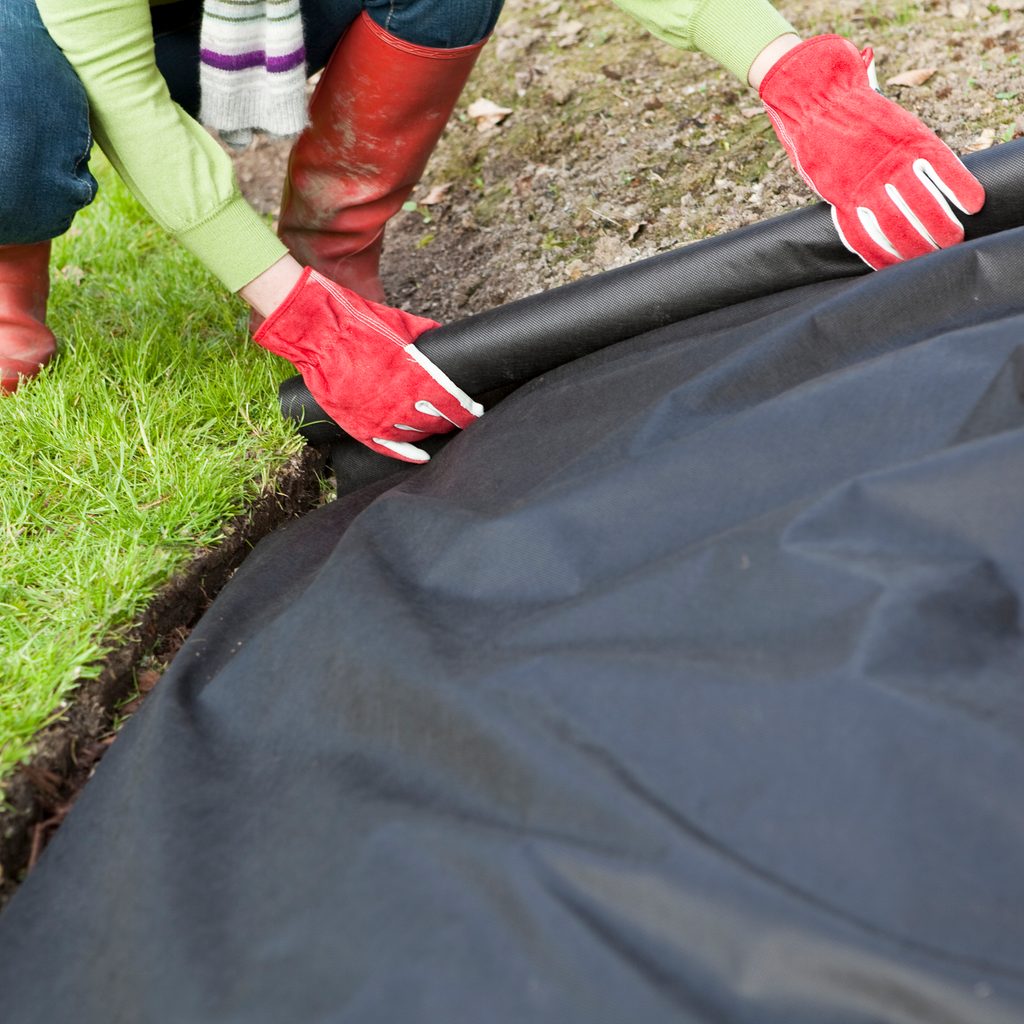
Admittedly, using weed barriers isn’t exactly the same as weeding. However, it’s an easy, herbicide-free way to suppress weeds and reduce the amount of future weeding you need to do. Use weed barrier fabric or landscape fabric to cover the ground around your plants. You can cut holes for your plants to poke through, if they’ve already sprouting or you can cut slits in the fabric to plant your seeds through if you haven’t planted them yet.
Stretch the fabric tightly against the ground and secure it with garden stakes or heavy objects at the edges. Make sure it’s well secured. Weed barrier or landscape fabric is designed with many tiny holes to let light, air, and water through. However, weeds are unable to grow up through the fabric and will eventually die back.
Now you know that you don’t need herbicides to get rid of troublesome weeds in your garden. Using hoes, garden knives, landscape fabric, or even just your hands, you can keep your garden clear. Your plants will love being able to grow without competing with weeds for resources. Weeding can be a little tedious sometimes, but it’s ultimately easy and healthy for your garden.