Plant-based insecticides are a cornerstone of organic pesticides. They’re popular, common, and easy to find. Many gardeners choose these pesticides because, in addition to being organic, they have good reputations for being safe and effective. How effective are they, though, and under what circumstances? Are they as environmentally safe as people claim, or do they have unintended side effects or consequences? We’re going to answer all of your questions about some of the leading plant-based insecticides and include some tips on choosing and using pesticides in your garden.

Pyrethrin
Pyrethrin is a combination of six chemicals naturally produced by flowers in the chrysanthemum family. It is commonly used as a spray but is available as a powder, as well. There is also pyrethrum powder, a similar but less concentrated product created from dried flowers in the chrysanthemum family, especially daisies.
Pyrethrin is used to combat a variety of pests, including flies, mosquitoes, fleas, beetles, white flies, mites, and moths. It works by affecting pests’ nervous systems, causing paralysis. It can be found on its own but is more often mixed with a second chemical to improve its effectiveness.
Pyrethrin isn’t only used in the garden but also in some flea bombs/foggers and in some delousing shampoos. Pyrethrin on its own is fairly effective, although some insects do recover from the paralysis. In pesticides that combine pyrethrin with another chemical it has a much higher insect fatality rate. When used in moderation, pyrethrin doesn’t pose any significant environmental risk, although overuse can damage an area’s insect ecosystem.
Pyrethrin is not typically harmful to humans, although it can be a mild skin irritant. Smaller mammals, such as cats or rodents, may be at an increased risk for a reaction to pyrethrin, especially if it is inhaled or ingested. To be safe, wear skin protection, use sprays outdoors or in a well-ventilated area, and use pyrethrin away from any pets.

Neem
Neem-based pesticide comes in multiple forms, including dusts and powders, but is most commonly applied as an oil. Neem oil is created using the seeds of the neem tree, also called Indian lilac. When applied, it coats the leaves of plants and only kills insects when it is ingested. This is notable, because it means that insects that don’t eat leaves, such as pollinators and other harmless insects, are unharmed.
Neem oil works in several ways. Firstly, it dissuades insects from eating the leaves in the first place. If they do decide to take a bite, the neem oil interacts with their hormones, which can leave the insect unable to lay eggs, stunt its growth, or even keeps it from feeding. For humans and other mammals, neem oil is safe. It can be slightly irritating to the skin, so gloves are recommended when applying neem oil. If you plan on eating anything treated with neem oil, wash it as you normally would before eating.

Capsaicin
Capsaicin is the chemical in peppers that makes them spicy. While many humans enjoy the burn of hot peppers, other mammals and pests do not. Capsaicin sprays are effective as deterrents — keeping pests from eating your plants — but don’t typically kill pests. If you have an infestation that you’re looking to get rid of, capsaicin may not be your best choice. However, capsaicin does have the added benefit of also repelling mammals that may be interested in eating your plants, not just insects.
When handling capsaicin, it’s best to wear skin protection, and you may also want eye protection. While not toxic, capsaicin does burn and can cause mild skin and eye irritation. Wash your hands thoroughly before touching your face if you’ve been using capsaicin spray.
Nicotine
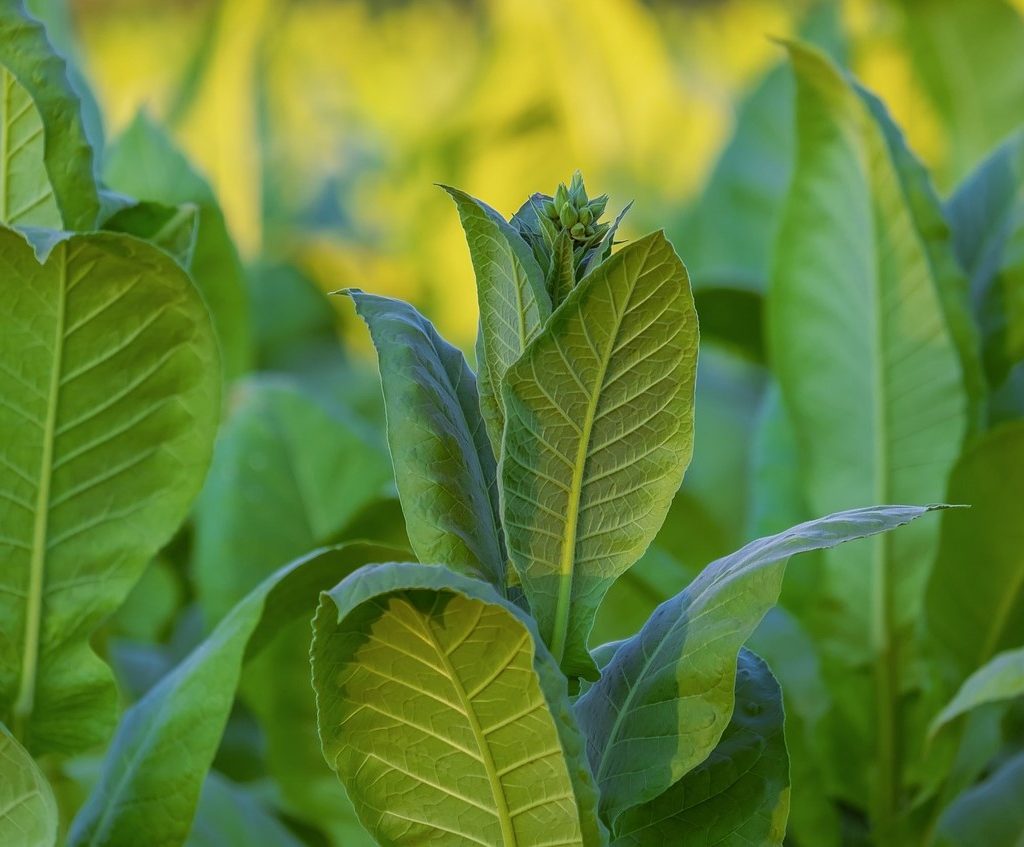
Nicotine, found most notably in tobacco, is an extremely effective natural pesticide. It has a historical use as a pesticide and is still used by some people. Some gardeners even make their own nicotine spray at home using cigarette butts. However, nicotine is highly toxic to animals and people, making it dangerous to use.
Nicotine is toxic not only when ingested but also when absorbed through the skin. Nicotine poisoning symptoms range from nausea, headaches, and eye irritation to, in severe cases, difficulty breathing, seizures, and even death. Serious cases of nicotine poisoning are uncommon, but caution is still advised.
In addition, nicotine pesticides can also negatively impact other wildlife in the area. This includes birds, deer, rabbits, and even fish. So while it may be tempting to make or use nicotine pesticides, and they certainly do provide results, the risks outweigh the rewards. If you do choose to use nicotine sprays, be sure to wear protective gear, including skin protection.
It’s important to remember when using any pesticide, plant-based or otherwise, to read all the instructions carefully! Overuse or incorrect use of any pesticide could lead to issues, whether those issues are mild skin reactions or something more serious. As far as pesticides go, though, most plant-based pesticides are less likely to cause serious issues, and they’re often just as effective as synthetic pesticides. Results can vary, depending on factors such as what plants you have and which pests are bothering them, so it’s a good idea to try them for yourself and take note of what works and what doesn’t.