By now, you’ve probably heard that tomatoes are scientifically considered a fruit (though they’re almost always treated as vegetables). We hate to tell you this now that you’ve finally gotten that one figured out, but tomatoes aren’t the only borderline fruit or vegetable enigma. Believe it or not, crisp, fresh cucumbers also fall into that gray area.
So what exactly is the distinction between fruits and vegetables, and why does it matter as long as you know how to grow them? And is a cucumber a fruit or a vegetable? If you’re curious or confused, then you’re in the right place. We’ll explain everything you need to know about the differences between fruits and vegetables, what cucumbers are classified as, and why it’s important to know.
What’s the difference between fruits and vegetables?
Although we treat them like they’re two different types of plants, fruits and vegetables have a much more interesting relationship to each other than you might assume. To start, fruits are a specific part of a plant. Not every plant grows fruit, but every plant that does grows them in largely the same way. Flowers bloom and are then pollinated. The ovaries of the flower then grow one or more seeds, which the fruit forms around.
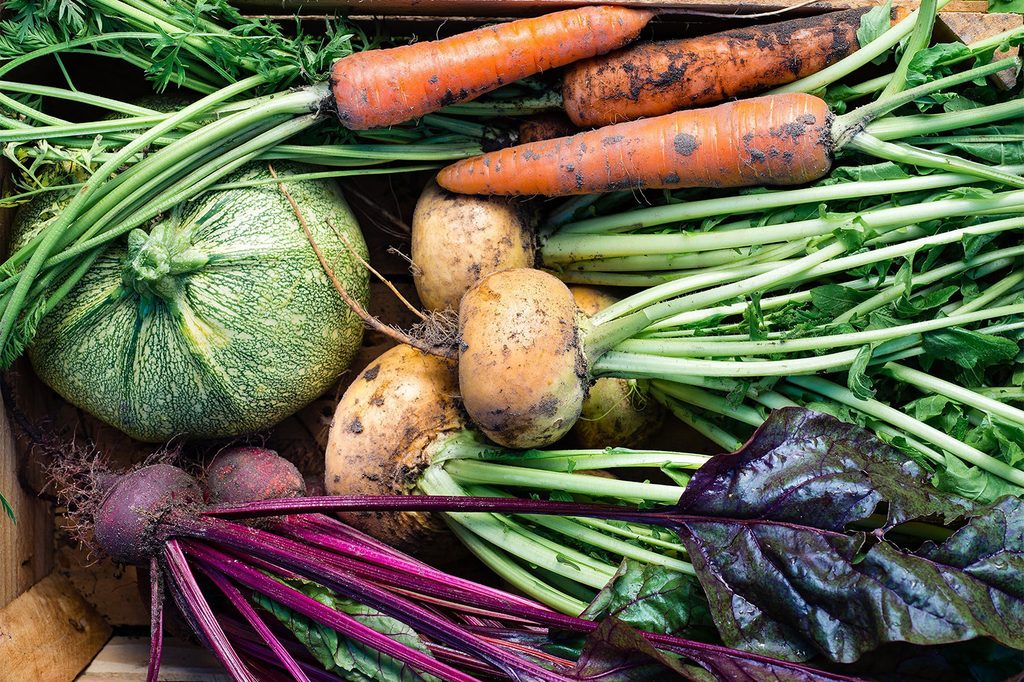
Vegetables aren’t tied to one specific part of the plant but can instead be any part. The roots, leaves, stems, fruit, and even flower buds of a plant can be a vegetable. Whether a food is a vegetable is based on how we eat it. If it’s eaten in a savory meal or served alongside a protein, then it’s a vegetable.
This also means that whether a food is technically a vegetable can vary between regions and cultures. For example, in some parts of the southern US, it’s not at all unusual to find pork cooked with apple slices. In this case, apples would technically be a vegetable, although they might not be called that.
What are cucumbers?
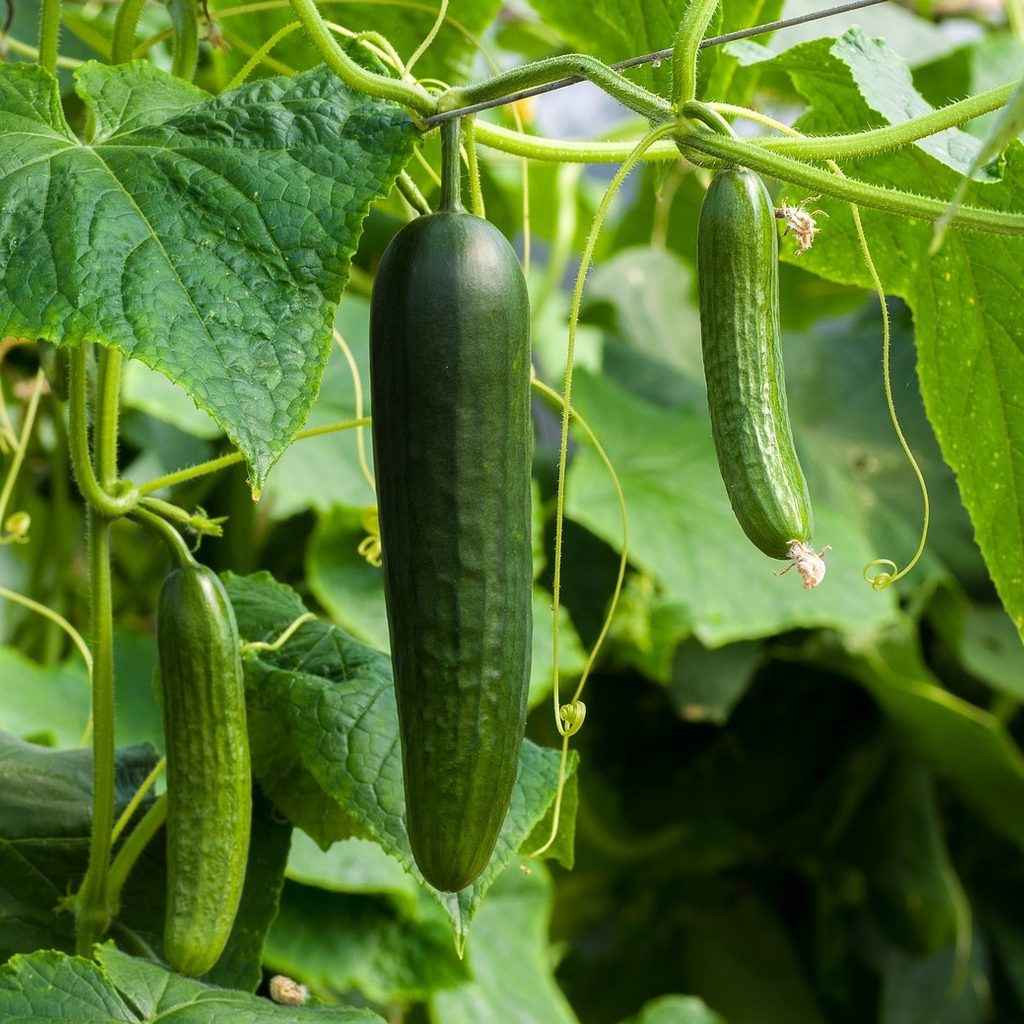
Cucumbers are actually both fruits and vegetables. Their wide range of culinary uses, including in salads, sandwiches, and hamburgers (as pickle slices), classifies them as vegetables. Additionally, cucumbers and pickles, when eaten on their own, are more savory than sweet. In general, vegetables tend to be less sweet than fruit, and this extends to fruits that are also vegetables.
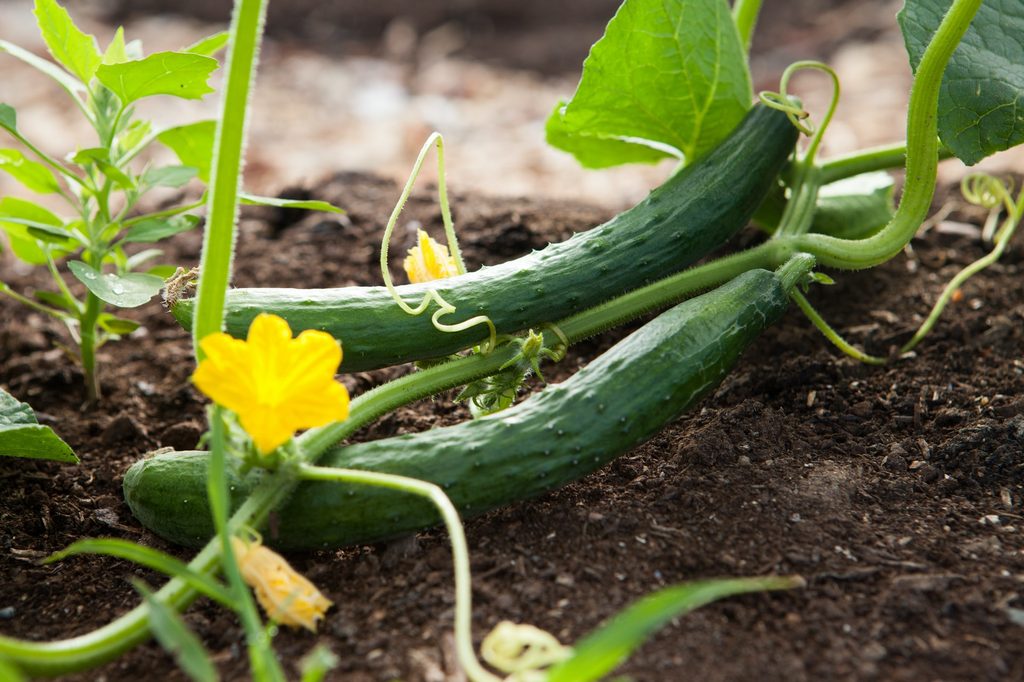
On the other hand, the way they grow classifies them as a fruit. To be precise, cucumbers are actually berries. This is because they grow from a single flower with only one ovum (as opposed to aggregate fruits like raspberries, which form from a single flower with multiple ovaries).
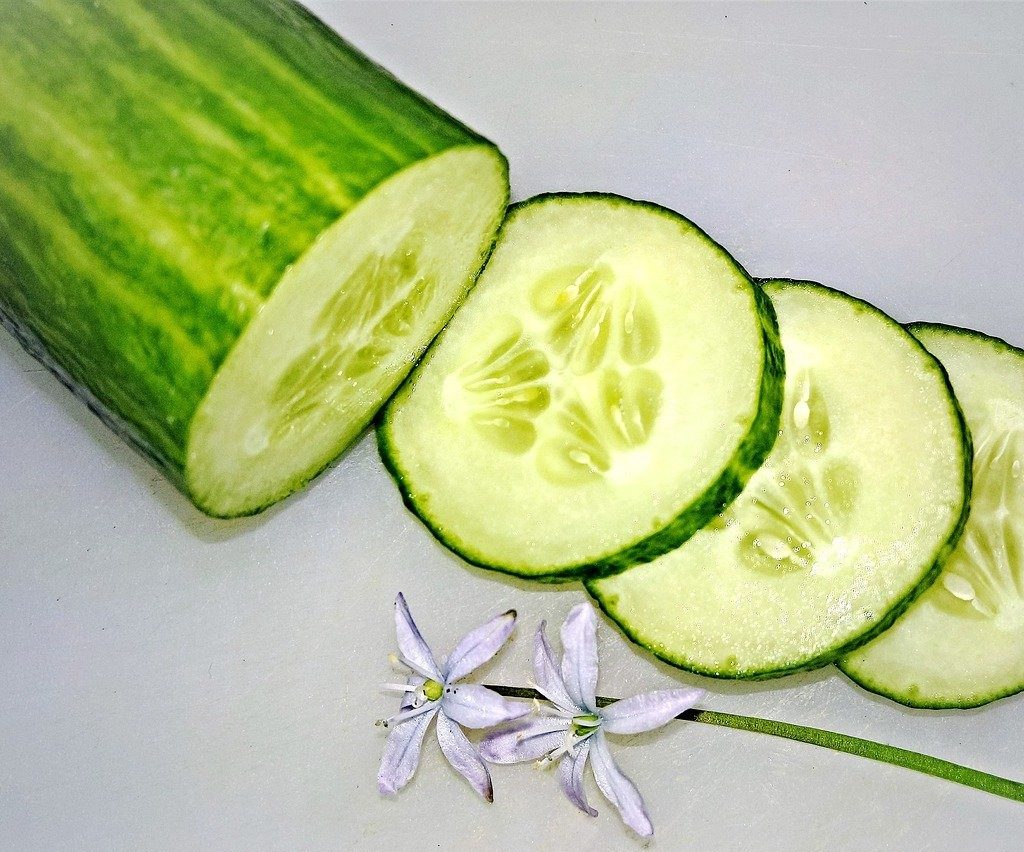
They’re also divided into three layers: an exocarp, mesocarp, and endocarp. The exocarp is the outer layer or peel, while the mesocarp is the fleshy interior. The endocarp is the innermost layer surrounding the seeds. In a cucumber, this endocarp is soft, which is what makes it a berry.
Which plants are anatomically similar to cucumbers?
These green fruits are technically a pepo, which is a type of berry that has a fleshy, seeded interior and develops a hard rind as it ages. There’s actually an entire cucumber family when it comes to classification, or specifically, Cucurbitaceae. This family includes plants such as zucchini, pumpkin, watermelon, and cantaloupe.
These cucurbit plants tend to develop vines that can climb onto supportive structures or spread along the ground. Along with sharing similar growth patterns, they often need the same type of care, which is to say, full sun and a growing medium that has sufficient drainage. To encourage the growth of fruit, you also want to use a fertilizer with a high potassium ratio.
Why does it matter?
It’s helpful to know that cucumbers are vegetables when it comes to eating them. Since vegetables tend to be less sweet, recognizing cucumbers as a vegetable gives you a general understanding of how cucumbers can be used. It can also give you an idea about where you might find cucumbers in a grocery store, since fruits and vegetables are sometimes displayed in different locations.
Knowing that cucumbers are technically fruit and understanding how fruits grow are both facts that are actually quite useful for gardeners. This is because cucumber flowers are less appealing to pollinators and sometimes go unpollinated. Because flowers need to be pollinated in order for fruit to grow, gardeners occasionally need to step in and hand-pollinate cucumber flowers. Someone who didn’t know that cucumbers were fruit might become confused or distraught when their cucumber harvest is unusually small.
Finally, you have the answer you’ve been looking for. What you do with the information is up to you, though! You can use it as a fun fact or to improve your gardening and cooking routines. Perhaps you might even take the opportunity to explore other foods on your plate to see how many other secret fruits you might be eating. You can also investigate your garden for potential vegetables. If you have edible flowers in your garden, you might want to try adding them to some meals. Who knows — you might find your new favorite vegetable that way.