It’s such a common question, but still, people continue to ask: Are tomatoes a fruit or a vegetable? Depending on who you ask, you can get wildly different answers, so how can you be sure? Some people have strong opinions on the matter, but you might be wondering why it even matters if a tomato is a fruit or a vegetable. So we’ve put together this handy guide to answer all your questions, including the differences between fruits and vegetables, which one a tomato is, and why it matters when growing tomatoes in your garden.
What is the difference between fruits and vegetables?
To answer this, let’s look at what a fruit is and what a vegetable is. Fruits are a specific part of a plant that forms after a flower is pollinated. They carry the seeds of the plant, with the general idea being that an animal will eat the fruit and scatter the seeds elsewhere, or, if the fruit goes uneaten, then it will fall and rot, and the seeds will grow near the parent plant instead. Not all plants produce fruits, and not all fruits are edible.
Vegetables, on the other hand, are not a specific part of the plant. This is because, while fruit is a botanical term, vegetable is a culinary term. A vegetable is any edible plant or edible part of a plant that’s typically eaten in a savory meal or alongside a protein. For example, lettuce is the leaf of the lettuce plant, and artichokes are the flower buds of Cynara cardunculus, a plant in the aster family.
This means that, rather than being two entirely separate categories, there’s significant overlap between the two. Some plants fall solidly into one category or the other. Onions are a vegetable but not a fruit, and peaches are fruits but not vegetables. Some foods, though, are both fruits and vegetables. Eggplants, for example, are the fruit of the eggplant plant, and are used in plenty of meals alongside various proteins.
What are tomatoes?
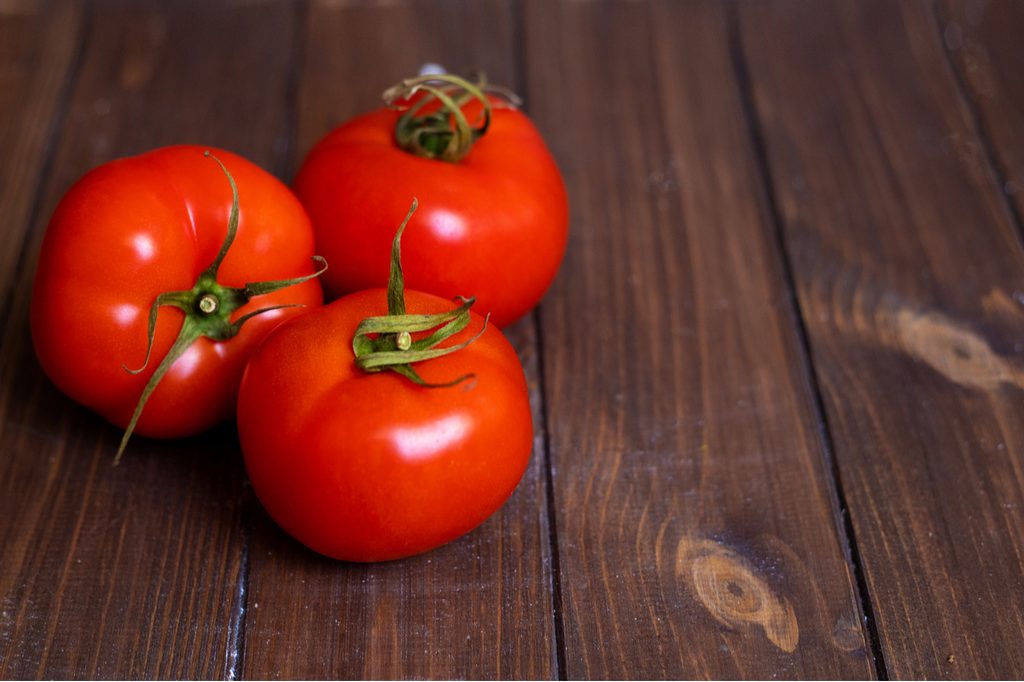
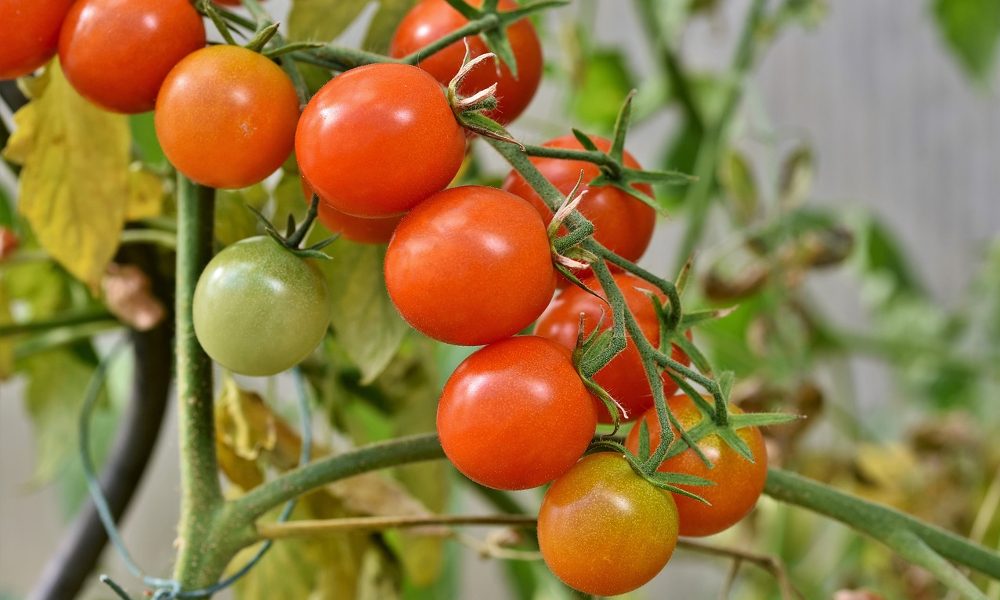
To begin, are tomatoes a fruit? Yes, tomatoes are the fruits of the tomato plant. They form once the tomato plant’s flowers have been pollinated, typically two to three months after planting or transplanting, and carry the seeds of the tomato plant. A single tomato plant can produce between 20 and 90 tomatoes, depending on the variety and size of tomato, and the maturity and health of the plant.
So, are tomatoes vegetables? They certainly are! Tomatoes are eaten in a variety of meals and dishes. They can be cooked into sauces for pasta or pizza, diced and added to soups, stews, or salads, or even sliced for sandwiches. Although some tomatoes, like cherry tomatoes, are sweeter and can be eaten whole and raw like other fruit, most tomatoes are used as part of a larger dish.
What type of fruit are tomatoes?
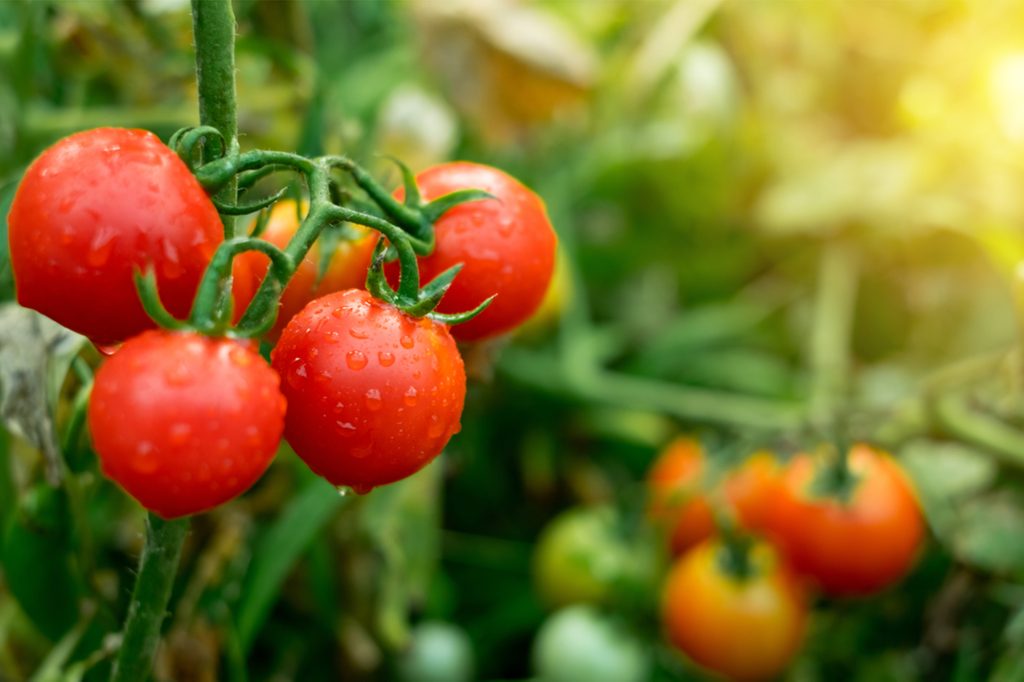
Tomatoes don’t have pits like peaches and they aren’t hard like an apple, so what kind of fruit are tomatoes? Tomatoes are actually considered berries! That’s right – your tomato plant is a berry vine just like a grapevine! They are classified as berries thanks to their smaller size, soft skin, and small seeds. Other members of the nightshade family, such as eggplants and peppers, are also berries.
The exception to this is potatoes. Although potato plants will produce berries if left long enough, the berries are not edible. They do resemble tiny tomatoes though, so you can see the family resemblance! Most plants in the nightshade family grow poisonous berries, and many of them resemble tomatoes. That’s one of the reasons you should never eat wild tomatoes – they might not be tomatoes.
Why does it matter?

So tomatoes are one of those foods that fall into both categories, but why is it important to know that? It all comes down to how you harvest and use tomatoes. Knowing that tomatoes are a fruit is helpful in regards to growing and harvesting them. Fruits, leaves, flowers, and roots are all harvested at different times and using different methods, even if they’re all vegetables.
Knowing that tomatoes are a vegetable, on the other hand, helps you understand how they’re commonly used. Fruits that are also vegetables tend to be less sweet than fruits that aren’t vegetables, so they’re typically used in different ways. Even if you’ve never eaten a tomato, knowing that it is a vegetable lets you know that, although you could pick it up and take a bite like you would from an apple, this likely won’t yield the best results.
Now you’re prepared for the next time someone asks you if a tomato is a fruit or a vegetable. The distinction can be really interesting to look into, so hopefully this has inspired you to take another look at your garden and your plate, to see what kinds of plants you’re growing or eating. Maybe it’ll even inspire you to take advantage of the blurred line between fruits and vegetables and try out some fun new recipes with unconventional ingredients.
Whether you plan on using this information, or just think it’s a neat thing to know, hopefully, this guide has satisfied some of your curiosity!