There are all kinds of New Year’s resolutions that people pledge to keep throughout the year. Some folks make the same one every year, while others don’t make any at all. No matter which type of person you are, gardening resolutions are an excellent way to challenge yourself in your gardening skills.
Gardening resolutions
Below are some of the best gardening resolutions we’ve seen spreading across the internet. Whether you love planting flowers or veggies, these resolutions can help improve your gardening skills while also helping the planet.
Hang a bird feeder
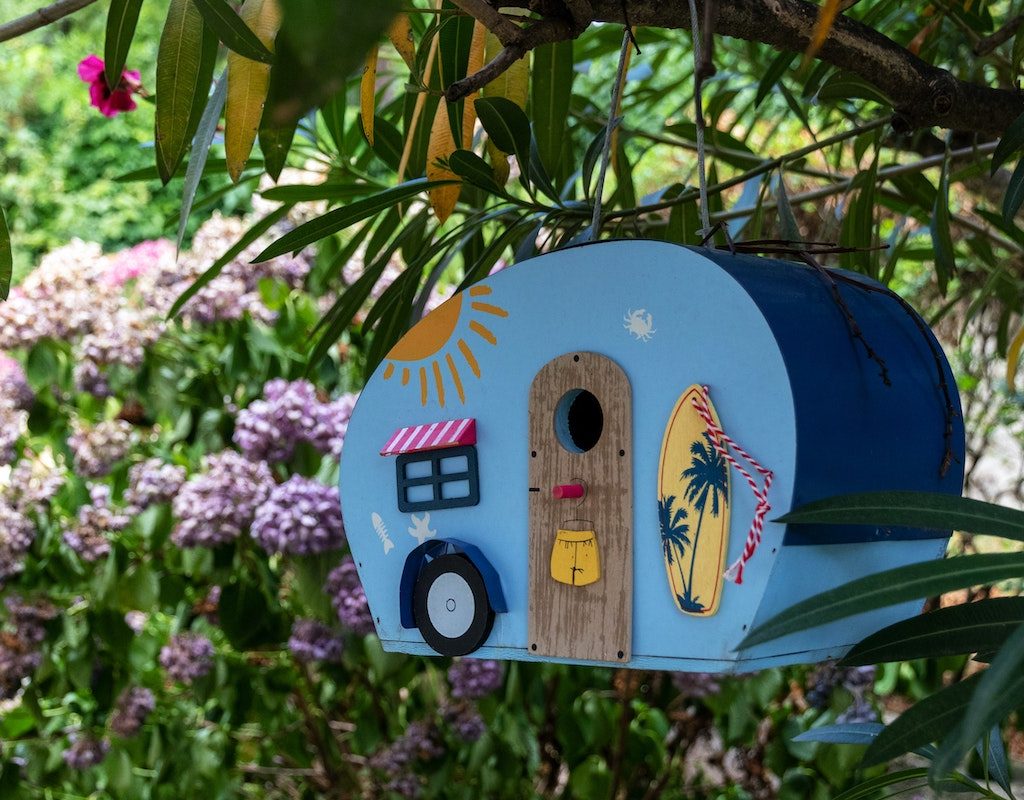
Let’s start with a simple one. Hanging a bird feeder is affordable and easy! All you need is a shepherd’s hook, a bird feeder, and some birdseed. A bird feeder can be placed near a window for optimal viewing, but don’t put it too close or you’ll risk the birds flying into the glass and hurting themselves.
You can also put it near a veggie garden to encourage the birds to pick at the nasty insects that might be destroying your garden. Beware, though — those birds that were once helpful with the insects might turn into a nuisance when they see a berry bush!
Switch to organic fertilizer
Most gardeners know just how vital good fertilizers are. They help produce beautiful flowers in a flower garden and grow tasty veggies in a vegetable garden. But the benefits of organic fertilizers go beyond nourishment and enrichment. No matter the type of green in your yard, switching to organic fertilizer ensures no harsh or nasty chemicals are being poured into the soil. It’s also safer for pets and children who might be digging around or plucking flowers from your garden. You can either purchase organic fertilizer or make your own at home with a compost bin.
Build a compost bin
Speaking of compost bins … a compost bin is a bit more challenging to build than a bird feeder. Many compost bins are available online, but making one is easy with some material you might already have.
Once your compost bin is built, it can start paying you back immediately. Not only will it reduce the amount of waste you produce by allowing you to throw kitchen scraps in the bin instead of the garbage, but it also provides you with fresh, home-made compost for your flower or veggie garden. It might take a full season to reap these specific benefits, but when you do, you’ll see that it was worth the wait.
Plant more flowers for pollinators
While you may not have room in your yard for a beehive, you can encourage these beautiful pollinators and many more by planting specific plants. Not all pollinators like the same flowers. It’s essential to encourage as wide a range as possible to your yard. This is important for the health of your garden and the health of the planet.
Research the native pollinators in your area and find out which plants are their favorites. Then plant these throughout your garden and watch as bees and butterflies alike swarm around these plants.
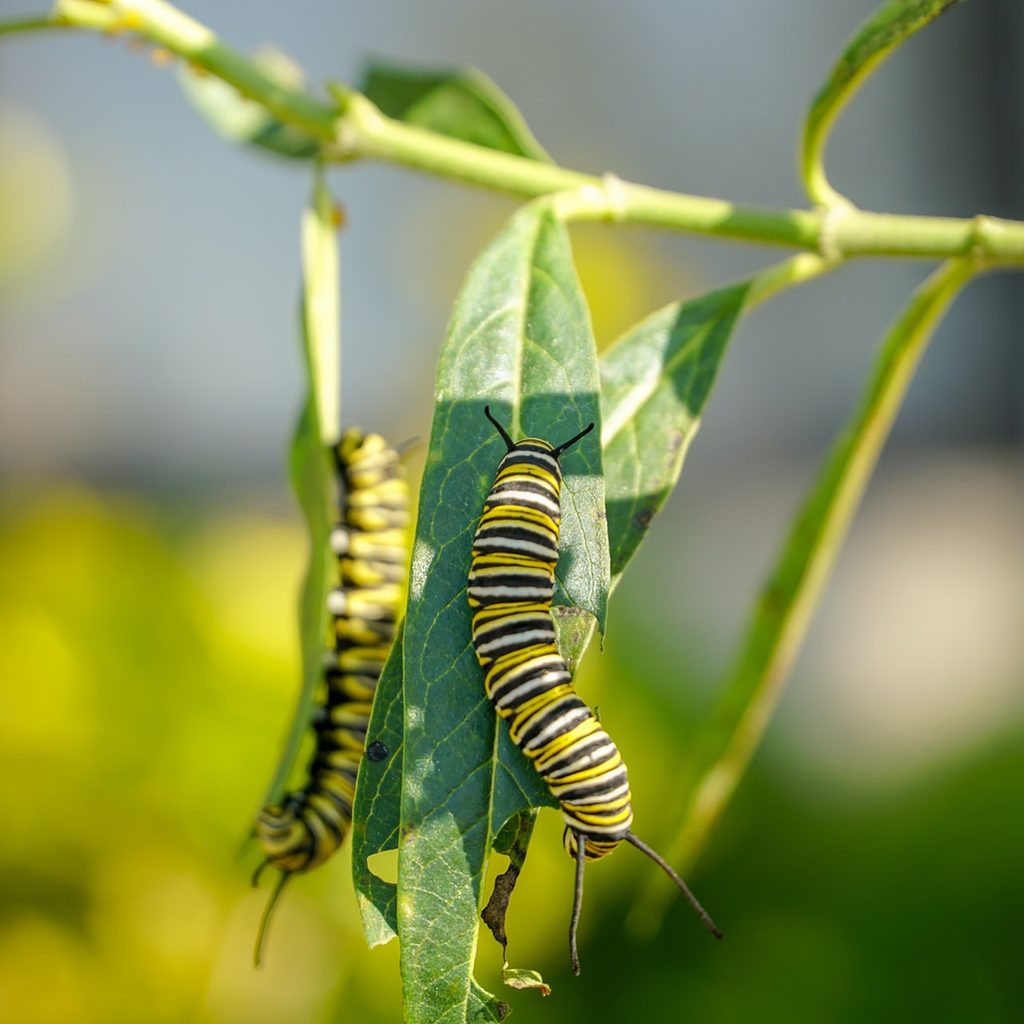
Plant milkweed for monarch butterflies
Of course, we just spoke about pollinators, so why should Monarch butterflies have their own spot on this list? Milkweed is the host plant for the Monarch butterfly. Without it, they would have nowhere where their larva could develop into a butterfly. The larva exclusively feeds on the milkweed plant, making it a vital piece to their survival.
Milkweed is declining, and that is why it’s important enough to have its own section on this list. While this is great for the butterflies, it’s also a self-serving one! Monarch butterflies are beautiful insects and will be a welcome sight in your yard and garden.
Avoid pesticides and chemical weed killers
Monarch butterflies and honey bees are fan favorites. Still, not all insects are welcome or a fun species to interact with. When your garden is infested with aphids or wasps, it can be easy to reach for the pesticides. Or when your beautiful lawn is sprouting yellow weeds, you might instinctively grab a chemical weed killer. It’s understandable to want to keep your yard safe and looking clean. However, these products can be hazardous to beneficial insects such as honey bees, Monarch butterflies, and other small animals such as chipmunks and squirrels.
Many natural and less harmful products on the market will aid in the fight against stinging bugs or annoying weeds. These will do the job and keep honey bees safe.
Plant a tree
Many companies worldwide offer to plant a tree with a particular purchase or subscription, but why not try to plant a tree in your own yard? Growing trees versus growing veggies or flowers is very different. This will not only expand your gardening knowledge but will also help the planet. Trees are one of the essential pieces of the global climate puzzle. They are also beautiful, provide welcome shade as they mature, and come in an almost endless number of sizes, colors, and shapes.
Trying to exercise more and eat right are fantastic resolutions to have, but try to add some or all of these to your list, as well. You’ll not only be helping yourself, but you’ll be serving the planet, too.