Gardening is full of joy … except when bugs eat all your beautiful flowers and destroy veggies before they’re ripe. You can handle this one of two ways. You can spray chemicals that disrupt the natural environmental balance and kill good insects with the bad, or you can use nature itself to remedy your pest situation.
Creating organic pest control methods isn’t hard. You’ll need a combination of everyday items plus other plants to help deter pests naturally and ensure you have the best chance of enjoying the fruits of your labor. Here’s what you need to know.
Why use natural pest control
Pesticide use has been linked to deaths higher up on the food chain as insects consume pesticides and are then consumed by predators. It leaks into the waterways, traveling for miles and affecting other species. We have to consider the long-term impact on the planet as we decide how to handle pests. In many cases, pests are a sign of a microbiome that’s out of balance. Bringing it back into balance may not require nuclear options like pesticides and insecticides.
Can you make your own organic pest spray? Yes! Making your own pest control is an easy and cost-effective way to manage all your garden pests.
What’s in organic pesticides?
Organic pesticides use natural ingredients like essential oils or diatomaceous earth. They won’t pollute waterways and don’t contain poisons that kill whole swaths of the biome.
Are organic pesticides safe for animals and children?
In many cases, natural pesticides are safer for children and pets, but they may have irritating compounds that cause discomfort. It’s best to keep children and pets away from treated areas even with organic pesticides.
Natural remedies are better
Here are a few natural remedies you can whip up using things you have at home or items easily found at your local nursery.
Use other plants
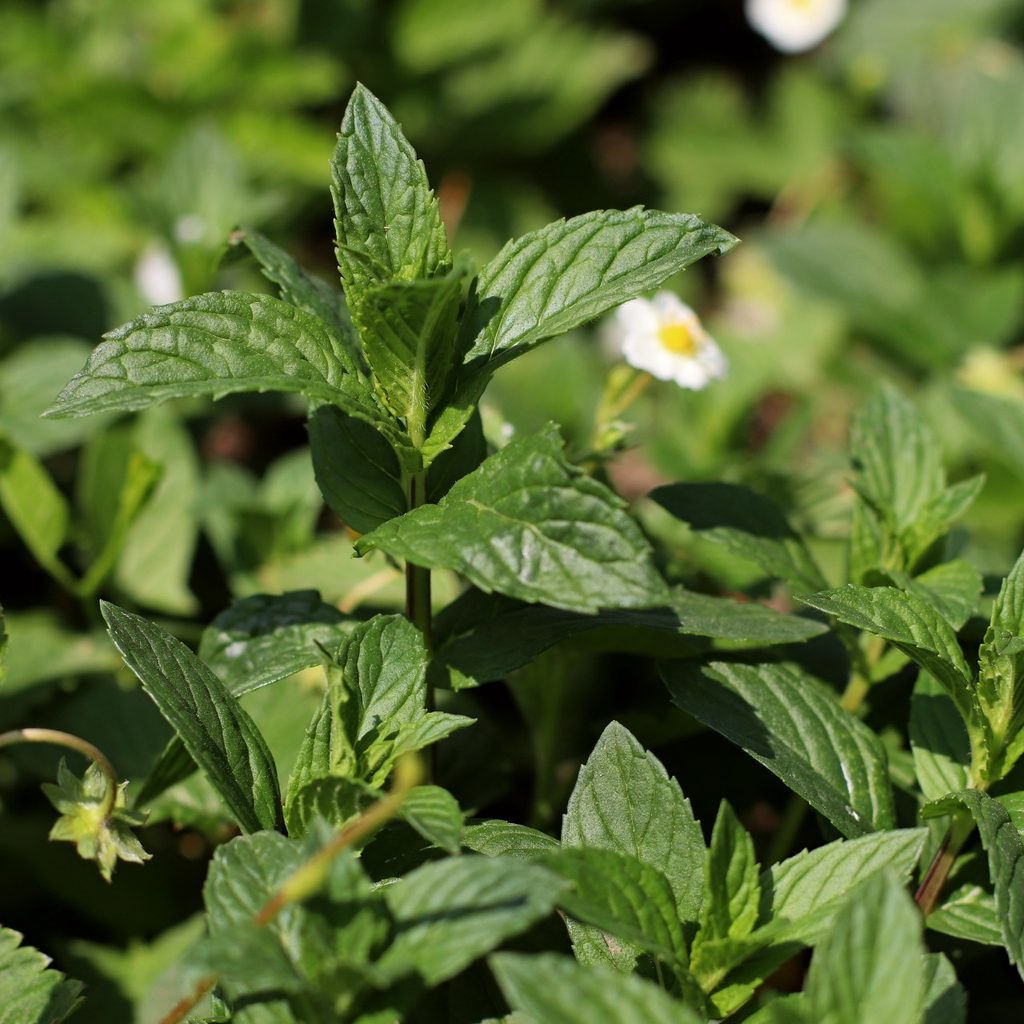
Plants themselves can be used as companions for attractive vegetables. Herbs like mint and rosemary release oils that naturally deter vegetable-loving insects, and flowers like mums or chrysanthemums do the same.
Some beneficial companion plants are:
- Mints
- Mums
- Chrysanthemums
- Eucalyptus
- Rosemary
- Clover
- Basil
There are endless beneficial combinations, but be sure you research which plants aren’t such good bedfellows before you plant. Also, in some cases (like mint), companion plants are aggressive growers and do better in pots near your vegetables.
Essential oils and vinegar
Vinegar is a natural pest deterrent and killer. Combining it with essential oils that mimic the same effects as your companion plants helps reduce the chances that pests will settle in your garden.
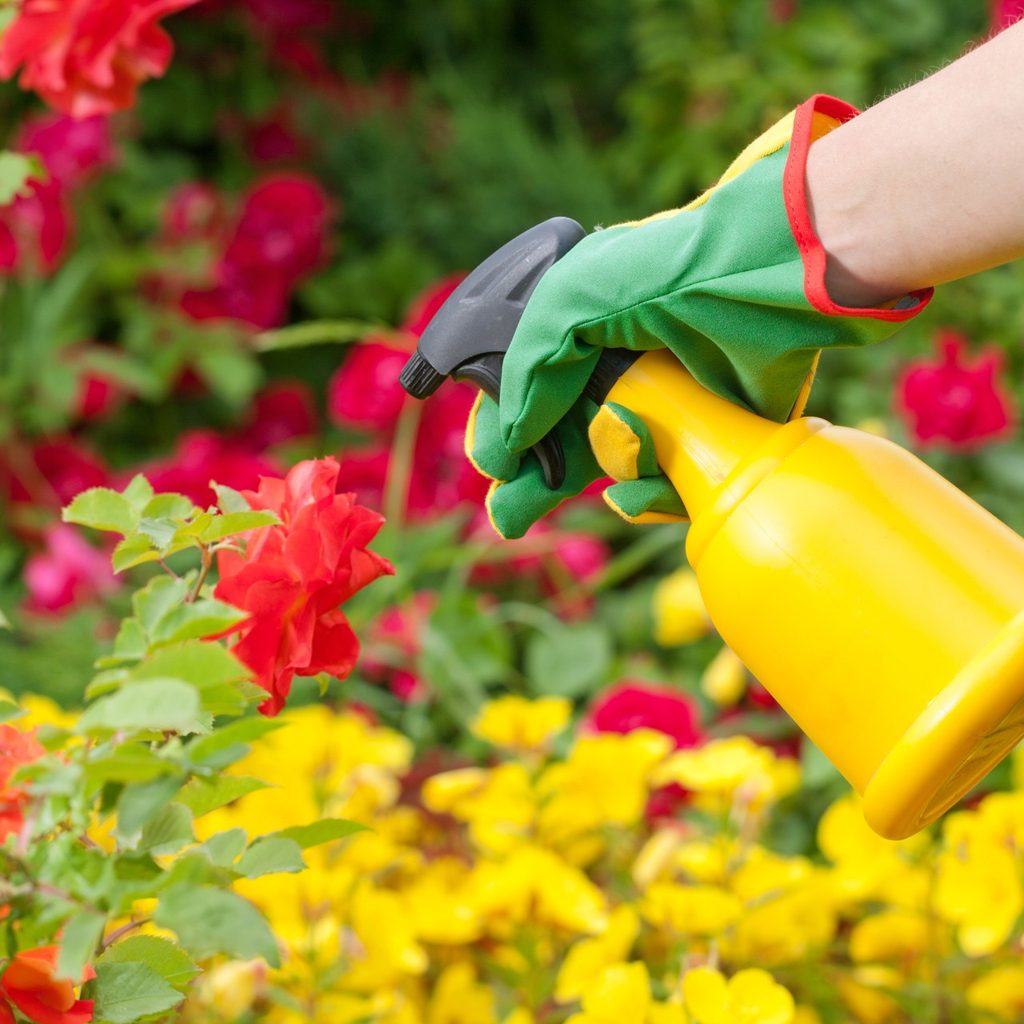
Vinegar pairs well with mint, eucalyptus, and citrus oils. To make an insect spray for the vegetable garden, add a little water and a mint Castile soap for even better staying power. You’ll have to spray your plants every day and ensure that it doesn’t get on your hands.
Try a variation of this recipe. In a 16-ounce bottle, add:
- 1/2 cup white vinegar
- 2 cups of water
- A few drops of mint Castile soap
- 10-15 drops of essential oils
Shake gently and spray on your plants’ leaves, fruit, and growing area daily.
Food waste
Some of the cast-offs from your kitchen can make excellent pest control and reduce what goes into your trash:
- Eggshells. If you wash your eggshells and dry them on 200 degrees in the oven until they’re brittle, you can crush them up. The small shells make it difficult for soft-bodied insects to climb up your veggies.
- Coffee grounds. Dumping coffee grounds fertilizes the soil and also deters certain insects from approaching your plants.
- Citrus. Leave citrus peels along the windowsill or in your garden beds to deter certain insects like ants. You can also soak the peels in vinegar for a week to create another garden spray.
- Cucumber peels. Some insects hate the smell of cucumber, especially the bitter cucumber varieties. Leave the peels in your garden or along windowsills to deter pests.
- Garlic and onion. Garlic and onion castoffs can be used to create garden sprays, or you can dice them up finely and leave them in your garden soil.
Diatomaceous earth
Like crushed eggshells, diatomaceous earth is deadly for soft-bodied insects and common pests. It messes with an insect’s moisture regulation and prevents them from ruining your garden.
It won’t harm most beneficial insects, and it’s easy to get from your local nursery. Follow the directions for application, and be sure to seal it before storing so it doesn’t get excess moisture before you’re ready to apply.
Neem oil
Neem’s properties handle all kinds of bugs as well as fungus. It’s available at your local nursery and allows you to apply to all parts of a plant already affected by insects. It kills all stages of the pest, including the egg stage, making it an excellent option for full-on infestations. Follow the directions for application carefully and watch for signs of further infestation. It’s even suitable for one of the biggest gardener enemies, the Japanese beetle.
When you apply, try to avoid buds or blossoms to allow pollinators access; but otherwise, coat your plants to ensure that you’ve broken the life stage cycle of your pest.
Garden predators
You can also make heavy use of pest’s natural predators to ensure the life of your garden. Bring in bat boxes, bird feeders, and extend your chickens’ grazing area to keep bugs down. In some cases, you may need to figure out how to protect your fruit from predators like birds, but with large infestations, using the natural gardening cycle is worth it.
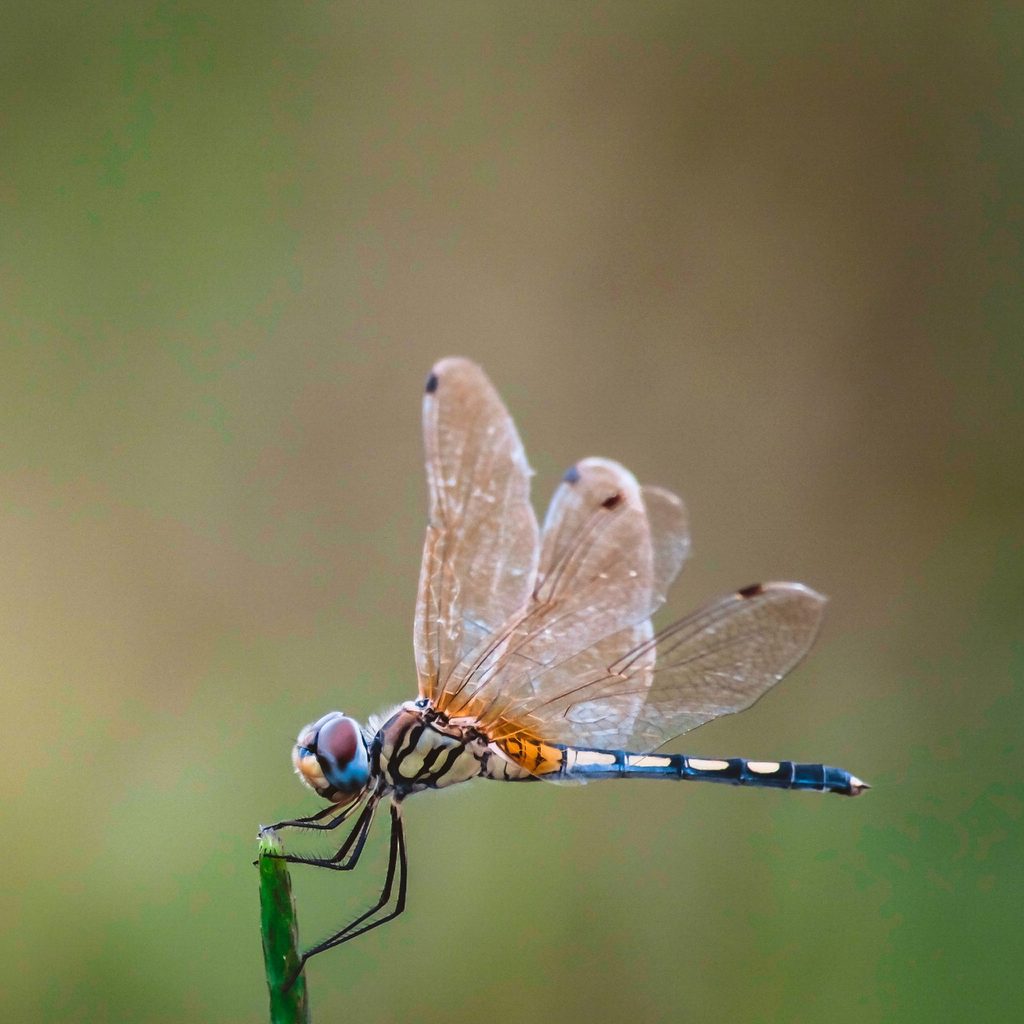
Plant flowers that attract dragonflies and ladybugs. You can also invest in ladybug and praying mantis eggs to release into your garden and increase predator insect populations. Do your research to determine what conditions bring beneficial insects and other wildlife to your garden to eat pests.
Using natural pest control
It can be tempting to spray a pesticide and be done with it, but the environmental impact can be severe. Keep beneficial insect and wildlife populations safe and waterways clear by using natural pest control. The earth and your garden will thank you.