Are you having trouble keeping pests out of your garden, but don’t want to resort to chemical sprays? There are more natural pest control methods on the market, and some you can even make at home. One you may not have heard of is ladybug pest control. Ladybugs are common garden critters that play a beneficial role for most plants by pollinating flowers and eating certain pests. If you’re interested in the pros and cons of using them to help control insects in your garden, we’re here to answer all your questions.
Why are ladybugs used as pest control?
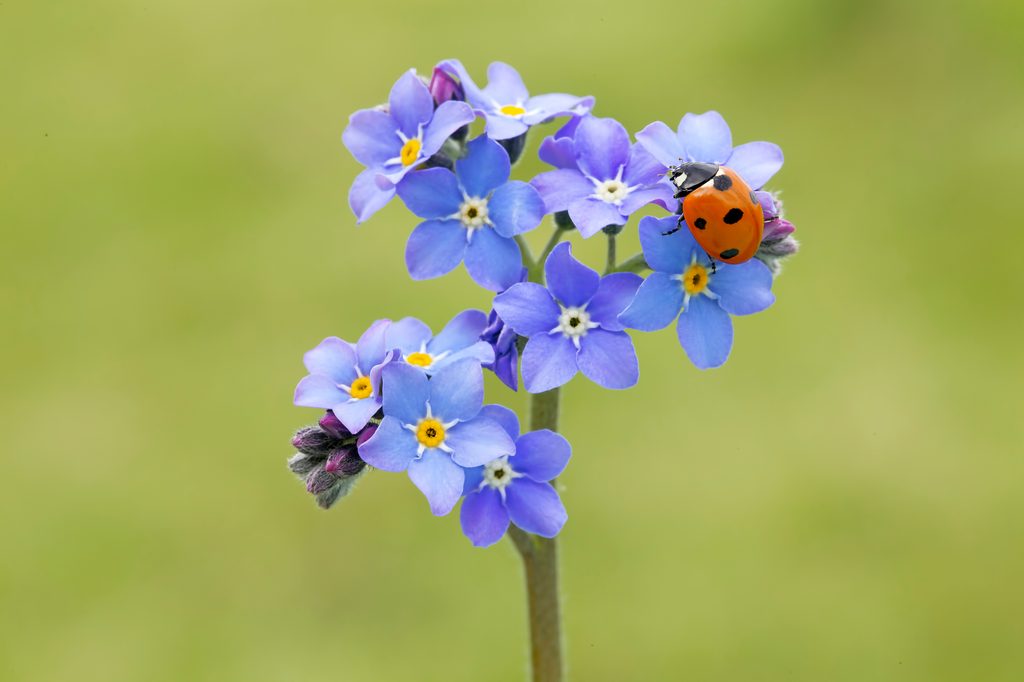
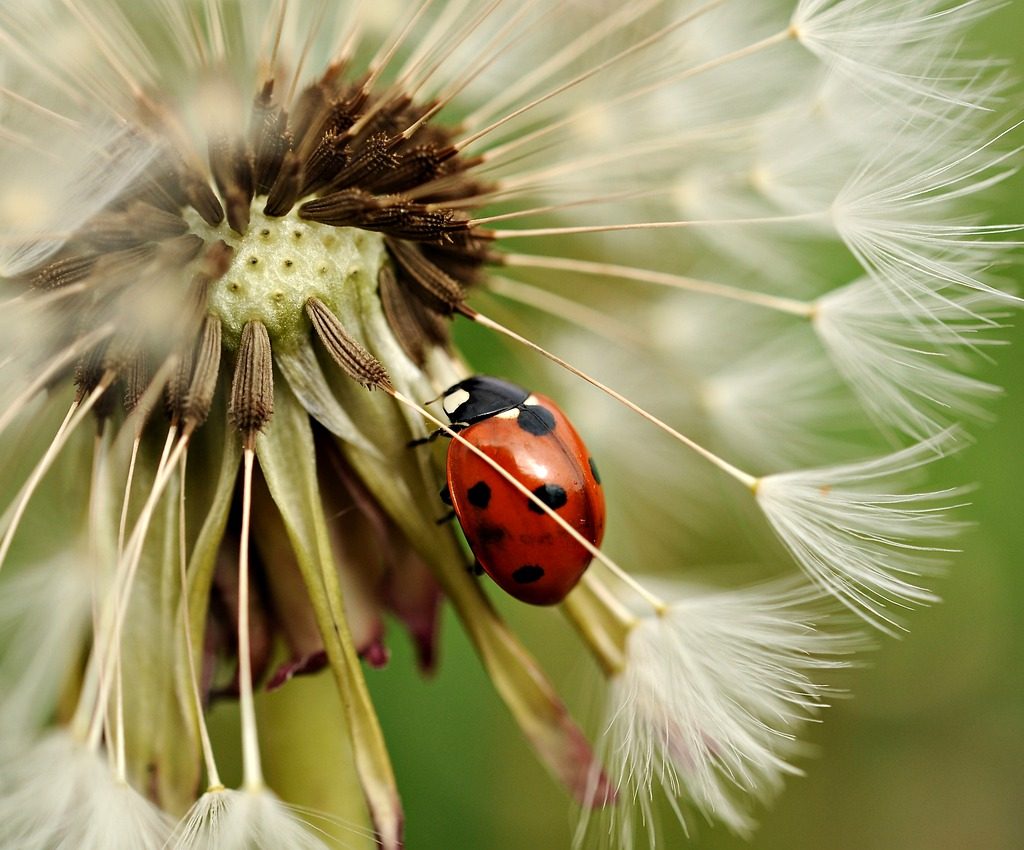
Ladybugs eat a few different species of insects, but are especially good at controlling aphid populations. They have a voracious appetite from the moment they hatch, eating scale bugs, mites, aphids, some small caterpillars, beetles, and even the eggs and larvae of other insects. These insects are some of the most common garden pests, and can even carry diseases that can decimate your plants. A thriving ladybug population will eat the pests already in your garden and discourage more from settling there.
What are the pros and cons?
We’ve already covered one significant pro, which is that ladybugs eat many of the insects that commonly prey on garden plants. A second pro is the sheer amount of those pests they eat. Additionally, since they eat so many pests, it takes a relatively small number of ladybugs to clear up most pest infestations. A major positive factor for many gardeners is how little work it takes to use ladybugs as a pest control method.
However, ladybugs aren’t the perfect pest control method. There is a chance that the ladybugs simply won’t stay in your garden. Whether you’re luring existing ladybugs or releasing new ones, they may decide that your neighbor’s yard has better food and fly off. Possibly the biggest downside to using ladybugs, though, applies specifically to releasing ladybugs. Ladybugs that are wild caught and then sold in bulk can carry diseases, which spread to any ladybugs already in your garden. This leads to an overall decrease in the ladybug population, which is counterintuitive.
At a glance:
- Pros
- Ladybugs eat pest insects
- They eat them in large numbers
- This is an easy and simple method
- Cons
- Ladybugs may not stay in your garden
- Introducing new ladybugs can spread diseases
How to lure ladybugs
There are two ways you can get ladybugs into your garden. The first method is to lure in ladybugs from the surrounding environment. If you have a significant population of pest insects, especially aphids, then ladybugs will often come of their own accord. However, if you want to increase your odds, there are some things you can do to help. Plant flowers like cosmos, marigolds, calendula, and sweet alyssum, which are a few favorites of ladybugs. Marigolds are also a favorite snack for aphids, so planting them may buy your other plants some time. If you’re using pesticides in your garden, be aware that they will harm ladybugs too, which may keep them from eating your aphids.
How to release ladybugs safely
You can also get ladybugs online or from a specialty store to release into your garden. Choose a reputable source that you’re sure you can trust to avoid ending up with diseased ladybugs. If possible, check to see if the ladybugs are bred or wild caught, and what measures are taken by the suppliers to keep disease out of the ladybug population.
Once you have your bag of ladybugs, you’ll want to release them as soon as possible so they can begin eating. If you have to wait for any reason, keep your ladybugs in the refrigerator. This puts them into hibernation, lowering the risk of casualties. When it’s time to release your ladybugs, do so at night or in the early evening, not during the day. This increases the likelihood of them sticking around for longer.
Set your box, bag, or container of ladybugs near whichever plant has the most severe infestation. Being close to a large food source when they awaken out of hibernation will encourage them to stay longer. Make sure there’s a water source, but don’t forget how small ladybugs are. They’ll be drinking droplets, not puddles. If there is dew on the ground, or if it’s rained recently, then your ladybugs will be fine. If it’s dry, lightly mist some of the plants near where you’re releasing the ladybugs, so they’ll have something to drink.
Ladybugs can be a great asset to any gardener. They can control the populations of pest insects, help your garden thrive, and make a cute addition to any garden photoshoots. In some cultures, ladybugs are even considered a sign of good luck. Your garden will certainly be lucky with more ladybugs around, although the aphids and mites won’t be.