Everyone wants their plants to look full, lush, and healthy. There are plenty of ways you can achieve that goal, but one method you can use is pinching, also called tipping. Not to be confused with the propagation method tip layering, tipping may sound counterintuitive and intimidating. After all, if you want your plant to grow big and strong, why would you pinch it? If you’re confused, don’t worry. We’ll explain everything you need to know about tipping and pinching, including what it is, how it works, and what plants you should and shouldn’t pinch or tip.
What does pinching and tipping mean?
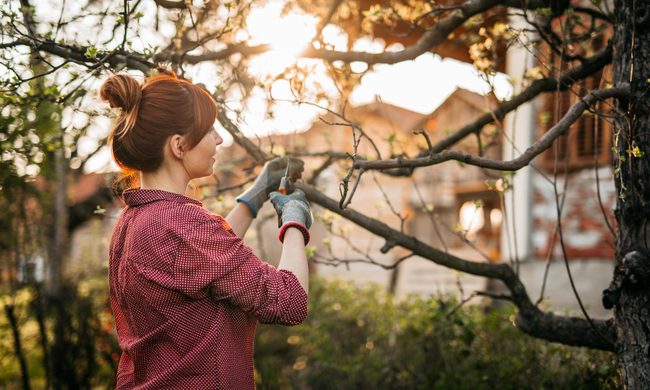
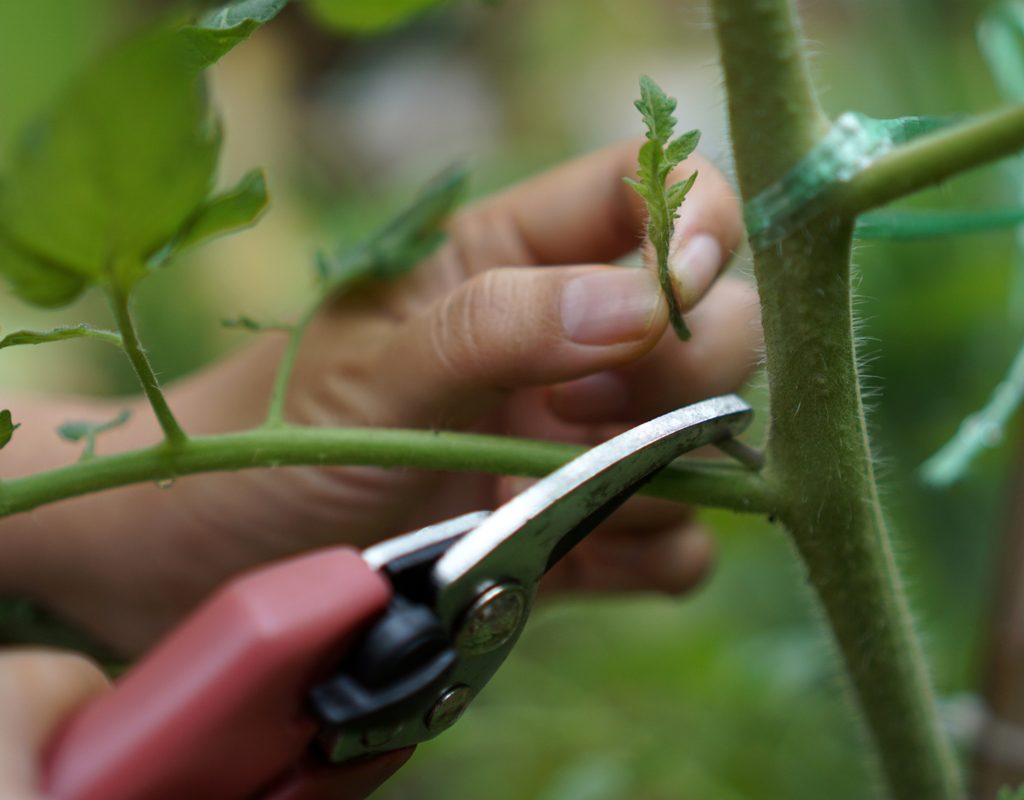
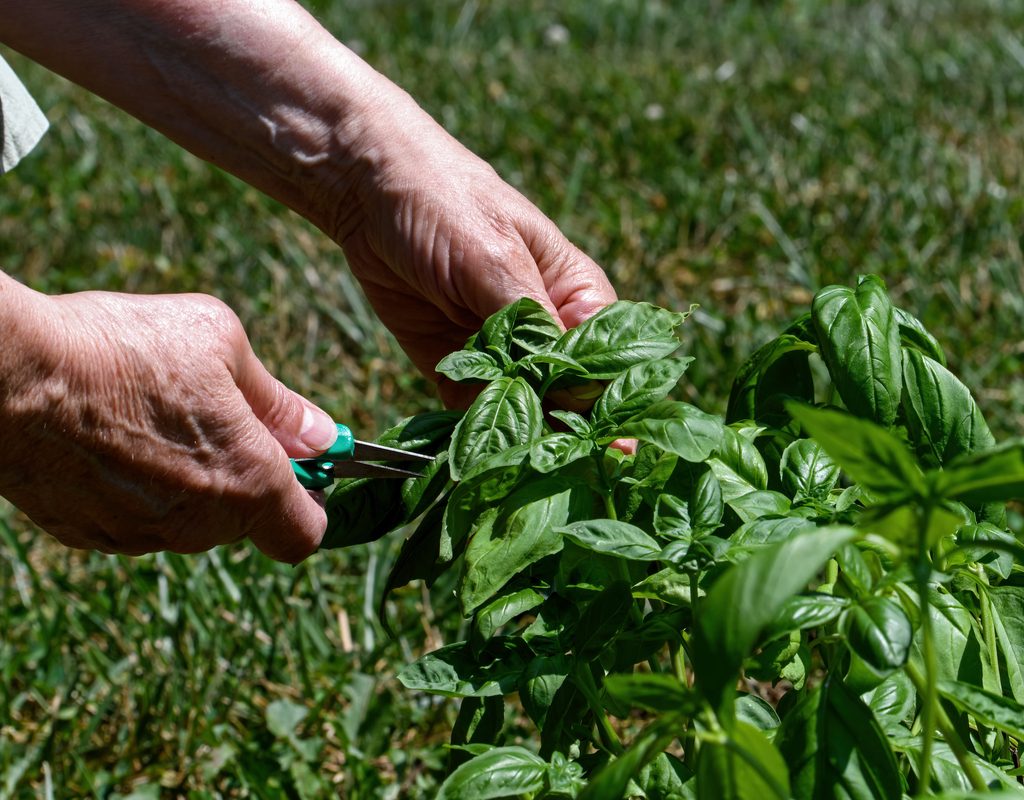
Pinching and tipping are two names for the same process. It’s a type of pruning that can be done to most small shrubs and shrub-like plants. Unlike other forms of pruning, you don’t need any loppers or special saws to pinch or tip. In fact, pinching and tipping is most often done by hand, but can also be done with scissors or small garden shears. It’s a simple process that can be done quickly and easily. The basic idea is to stimulate growth by removing the very end of a young branch or stem.
What benefits does it provide?
Pinching and tipping works by redirecting your plant’s energy into horizontal growth, rather than vertical. This leads to vigorous new growth. However, since much of that new growth is horizontal, it can also help keep your young shrub from growing too tall too quickly. Since your plant is growing more stems, this often leads to more flowers or fruit in the long run. This is especially effective in herbs like rosemary or basil, where every new stem that grows can be harvested and used. However, since pinching and tipping forces the plant to spend more time growing, it delays flowering and harvesting by a week or more. Most gardeners find that the increased harvest outweighs the delay, but it’s still something to consider.
How do you pinch and tip?
Pinching and tipping should be done to new, young growth, so most plants benefit from it early on in the growing season. Find a young stem that has started putting out leaves but is still green. If you look closely at the base of the leaves, you should be able to see small buds or bumps right between the leaves and the stem. These buds are where the new stems form from, so it’s important not to damage them when pinching and tipping. The stem above those buds is what is pinched away. However, if too much of the stem is left in place, the plant may focus on repairing or regrowing that stem, rather than forming new ones.
So, how do you remove as much of the stem as possible without hurting the buds? The easiest way to do this is to carefully line up your cut before you make it. Use the tips of the buds as a guide, either for your fingers or for your garden shears. If your plant is significantly smaller than the tool you’re using, give yourself a little extra room, just in case. You can also make multiple cuts, starting farther away from the buds and slowly trimming off more of the stem to get closer to the buds. If you do damage the buds, you can still save your pinching attempt by moving the cut down to the next set of leaves.
Which plants should you pinch and tip, and which should you not?
As we’ve already mentioned, herbs like rosemary and basil are great candidates for pinching and tipping. In fact, you can use it as your harvesting method for those herbs to increase your harvest and save time. This is especially helpful for herbs because it delays flower growth, and, for the majority of herbs, you want more leaves and fewer flowers.
More stems also means more flowers, though, when they finally do bloom. Not all flowers enjoy being pinched, but some will respond with enthusiasm. Here are some common garden flowers that you should pinch:
- Marigolds
- Coleus
- Petunias
- Impatiens
Some of the flowers that don’t benefit from pinching but may be in your garden are:
- Sunflowers
- Delphinium
- Celosia
- Larkspur
You may have noticed something these plants have in common. They all typically grow with one flower or flower spike per stem and don’t branch naturally. This is a good indicator for whether or not a plant will benefit from pinching and tipping. If the plant has naturally branching stems, it most likely will tolerate or enjoy pinching. If the plant doesn’t branch naturally, then pinching likely won’t help it.
Pinching and tipping can be a valuable pruning technique for any gardener to learn. Why not try it out for yourself and see how much of a difference it makes in your own garden? Just remember to make your cut carefully, and only pinch plants that have naturally branching stems. Plants with single stems, like sunflowers, won’t thank you for the pruning, but branching plants like basil will.