Pumpkins are a lovely seasonal treat for decoration and for eating. If you’ve ever gone to a pumpkin patch, or grown pumpkins yourself, you may have wondered about their classification. They grow from flowers and we bake them into pies, which suggests they might be fruit. They’re also gourds, which are typically considered vegetables. So what exactly is a pumpkin, why does it matter, and how can you use this information to your benefit? We’ll answer all these questions and more in this handy guide.
What’s the difference between fruits and vegetables?
Fruits and vegetables are often talked about as two separate types of plants, but they have a lot more in common than you might imagine. In fact, the classifications of fruit and vegetable are from entirely different systems. Fruit is a botanical term, and it refers to a specific part of a plant. Vegetable, on the other hand, is a culinary term, and it refers to any part of a plant, as long as that part is eaten in a certain way.
Fruits form around the seeds of some plants, after the flowers have been pollinated. There are different types of fruit, such as berries, drupes, and aggregate fruit, but all of them form in roughly the same way, and serve more or less the same purpose for the plant.
Vegetables can be any part of the plant, including the roots, bulbs, flowers, stem, leaves, and, yes, even the fruit. The catch is that they must be eaten in savory meals or served with a protein to qualify as a vegetable. Not every meal it’s used in needs to be savory or with a protein, but it needs to have at least one.
This means that some fruits can be vegetables (typically the less sweet fruits are vegetables, while the sweeter ones remain just fruits), but it also means that there’s more wiggle room when deciding if something is a vegetable. For example, since adding pineapple to pizzas has become more popular, one could argue that pineapples are a vegetable.
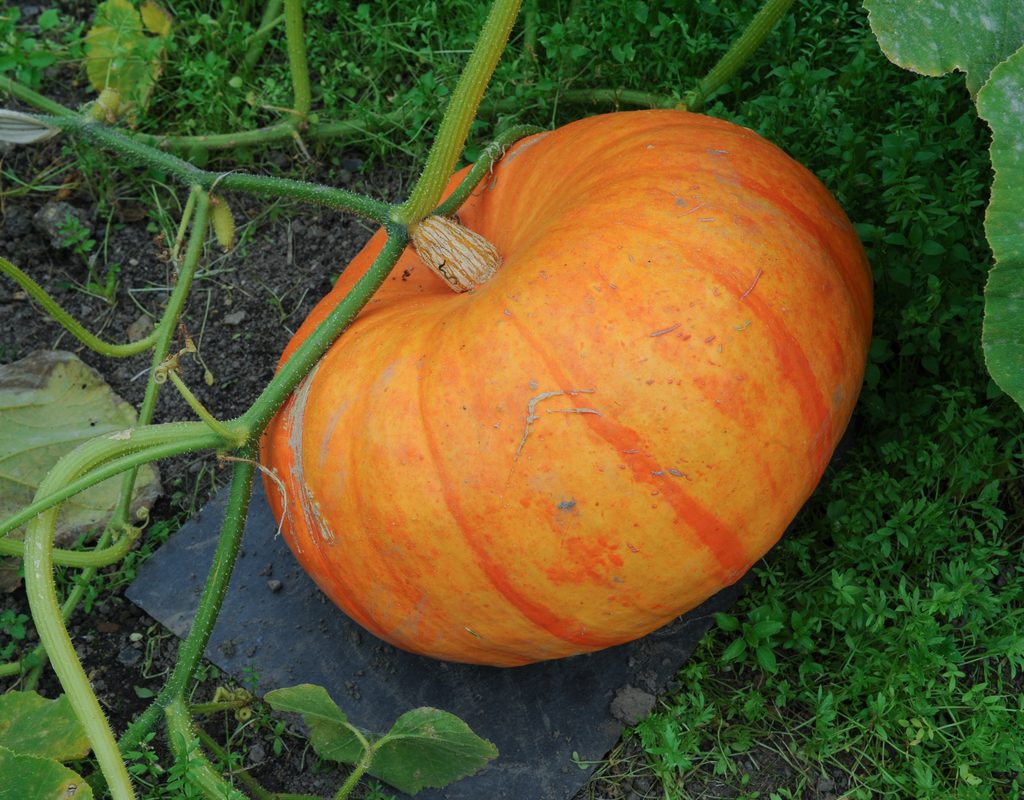
What are pumpkins?
Botanically speaking, pumpkins are fruit, there’s no doubt about it. Pumpkin vines bloom a couple months after planting, and produce separate male and female flowers. The pollen from the male flowers can be transferred to the female flowers on the same vine by pollinators, wind, or by you. After that, pumpkins begin growing and are ready to be harvested after a month and a half to two months, depending on the variety of pumpkin.
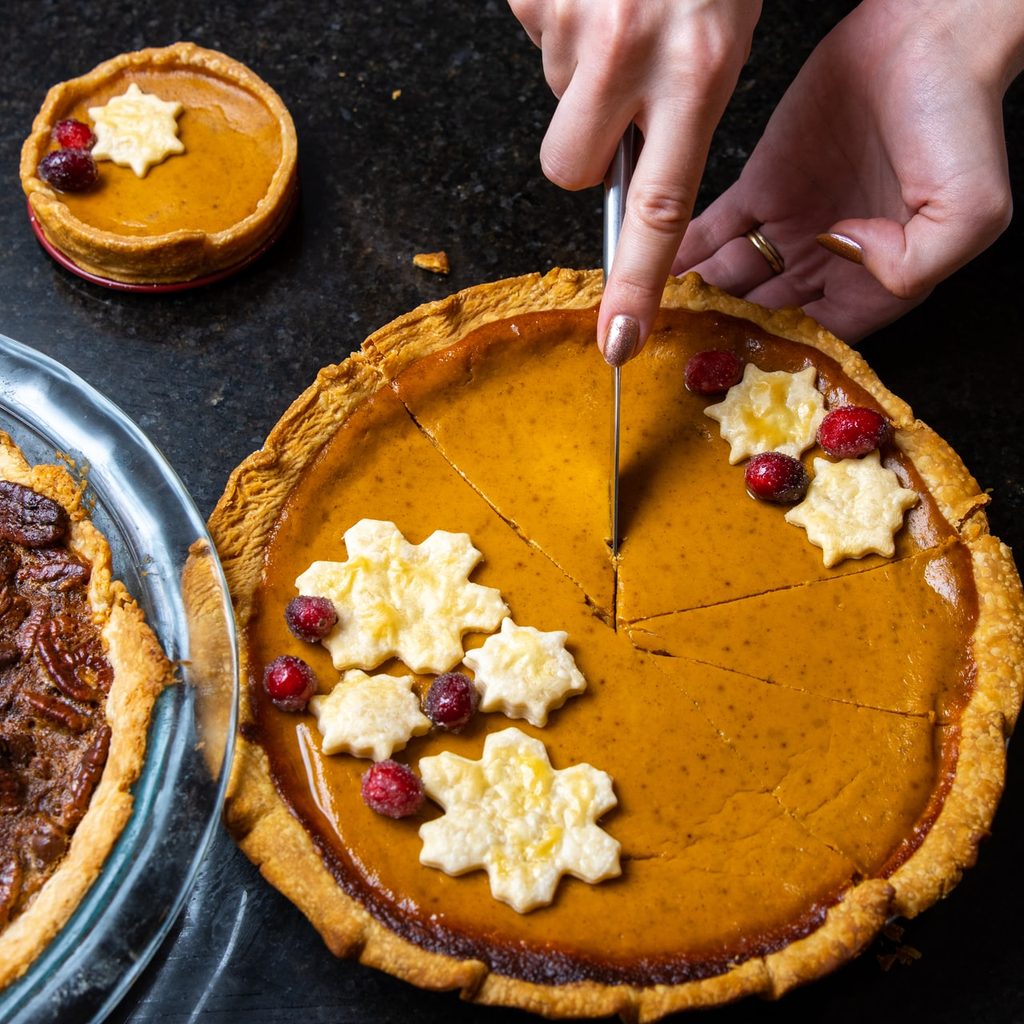
So, the question then is if pumpkins are also vegetables. It’s true that many of the most common pumpkin uses in the US are sweet. We bake pumpkin pies and cakes and even enjoy seasonal pumpkin-flavored drinks. However, there are still plenty of savory dishes that feature pumpkin. Pumpkin soup, for example, as well as pumpkin casseroles and pumpkin pasta dishes. This means that pumpkins are a vegetable, as well as a fruit.
Why does it matter?
It’s helpful to know that pumpkins are both fruits and vegetables, as it gives you a better understanding of how pumpkins develop and how they’re used. Different plant parts are harvested in various ways and at different times, so knowing that pumpkins are fruits gives you an idea of how and when to harvest them.
If you’ve only ever used pumpkins for pumpkin pie, then knowing that pumpkins are vegetables can open you up to new recipe ideas. Even if you were already familiar with some of the more common savory pumpkin recipes, like pumpkin soup, then the knowledge that pumpkins are vegetables might inspire you to experiment with bolder recipes.
That’s everything you need to know about the classification of pumpkins! Pumpkins are both fruits and vegetables, which can help you better plan your garden and meals. Additionally, it can be fun to explore the overlap between fruits and vegetables. What fruits, or even flowers, are in your garden that could be vegetables? What vegetables are you growing that might be fruits? You can dig even further into it, and investigate the different types of fruits. As long as you’re enjoying your garden and your meals, though, you can call a pumpkin a fruit or a vegetable.