  1. Home
  2. Gardening
  3. How tos

Are sprinklers good for your garden, or could they be damaging your plants? Here’s what you need to know

Should you use sprinklers to water your garden? Find out here

Add as a preferred source on Google
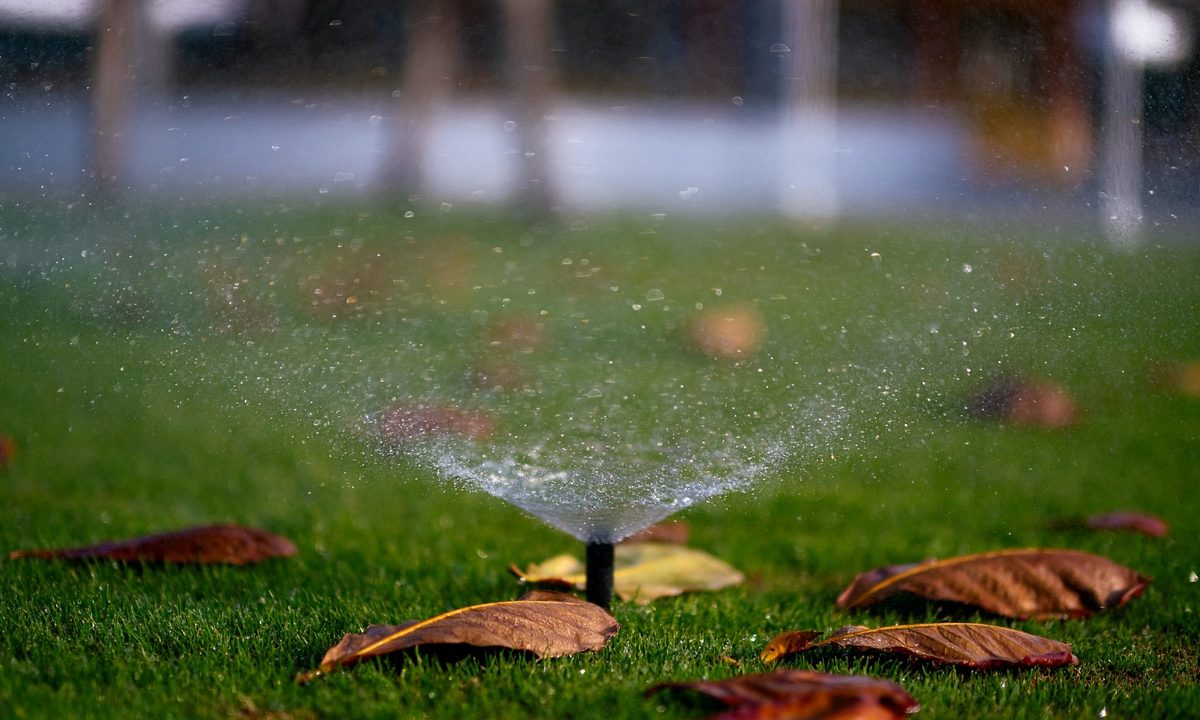
A small lawn sprinkler spraying water
Victor Furtuna / Unsplash

If you’re interested in gardening, there’s a good chance you also appreciate proper lawn care and landscaping. Lawn sprinklers are a common tool in lawn care, but how do they impact your garden? If your plants are close enough for the sprinklers to hit, should you move them, or can sprinklers actually benefit your garden? Here’s what you need to know.
Recommended Videos

Difficulty

Easy

Duration

1 hour

What You Need

  • Drip irrigation system

  • Tarp

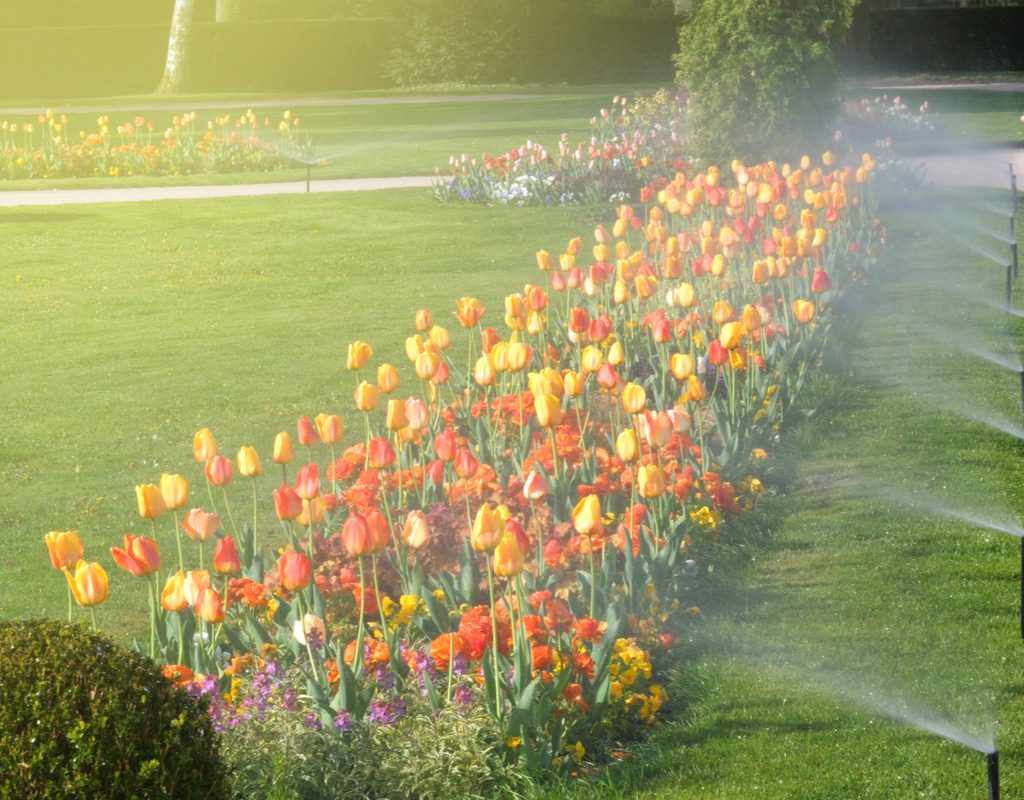
Sprinklers spraying tulip flowers
Hadrian/Shutterstock

Do sprinklers help your plants?

The main benefit sprinklers provide is consistent water. Since sprinklers are often on a timer, your garden can receive water at the same time every day. This is especially helpful if you travel, have a busy schedule, or have difficulty getting out in your garden regularly.

Additionally, you can adjust the sprinkler’s schedule relatively easily. If daily watering is too much for your plants, you can lower the frequency of your sprinkler. You can even adjust the sprinkler head to provide a more concentrated spray or a fine mist.

A large lawn sprinkler
Image used with permission by copyright holder

Can sprinklers harm your garden?

Unfortunately, there are downsides to using sprinklers to water your garden. Depending on the size of your garden, some of your plants might not be getting enough water, while those closer to the sprinkler may be getting too much.

The other problem with sprinklers is that they are an overhead watering method, meaning the water is hitting the leaves, flowers, and fruit of the plants. Most of the water won't reach the soil, evaporating directly off the plant instead.

Additionally, wet leaves and fruit cause fungal infections such as blossom end rot. The water comes into contact with fungal spores on the plant, prompting them to grow. The water drips down, spreading the spores from leaf to leaf, infecting the entire plant.

A circular lawn sprinkler
Image used with permission by copyright holder

How can you avoid the negative impact of sprinklers?

Here's how to keep your lawn sprinklers from harming your plants:

Step 1: Move your plants away from the sprinklers, if possible.

This may be possible if you have plants or flowers in pots outside.

Step 2: Switch to an alternative watering method.

Watering by hand is always an option, but there are also drip irrigation systems that offer some of the same conveniences as sprinklers.

Step 3: Inspect your garden regularly for fungal damage.

Step 4: Limit how often your sprinklers run.

Step 5: Cover your garden before running your sprinklers.

Laying a tarp over your garden is a simple solution to keep the water off your plant's leaves.

Sprinklers can be a big help for homeowners who aren’t able to manually water their lawn and live in an area with low rainfall. However, they aren’t a great choice for watering your garden. If possible, you should rely on other watering methods and keep your plants away from the sprinklers.
13 shrubs perfect for wet soil conditions
These shrubs are perfect for wet soil
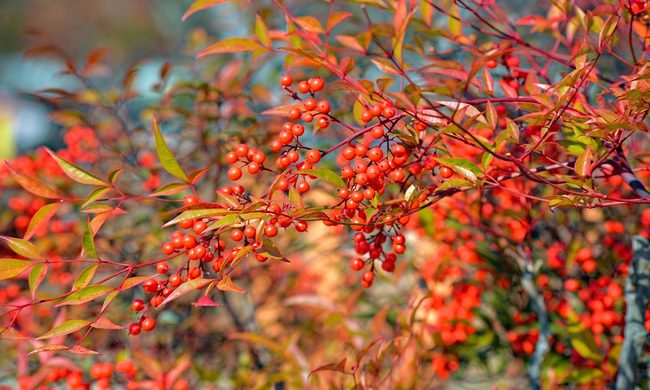
A winterberry holly shrub in autumn

Have you ever heard of a plant not liking wet feet? It's true; some plants don't like their roots to be soaked for too long. Many plants won't thrive or will even die in overly wet conditions. This can make gardening difficult if your yard is naturally wet. Luckily, there are plants suited for every condition, even wet soil! In this guide we'll explain how wet soil is defined and recommend some plants that like wet soil for you to try growing.

What shrubs do well in wet soil?

Read more
How often should you water your grass seeds for the best results?
Tips for watering grass seed to get the lawn of your dreams
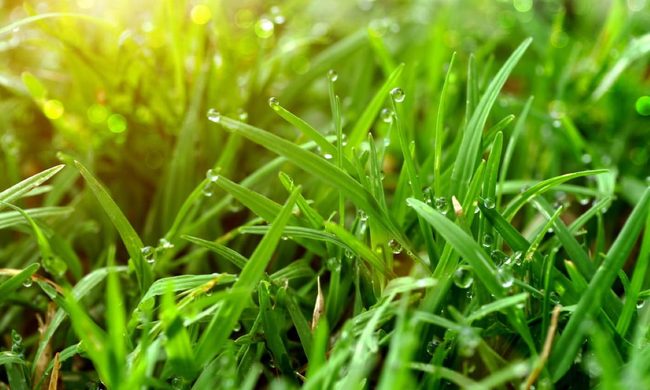
Grass with dew on it

A beautiful, lush green lawn is something that many homeowners strive for, but sometimes cultivating that lawn can be quite the headache. Getting your seeds to germinate and grow into thick, healthy grass requires balancing all of its needs. For such a simple plant, grass sure does need a lot of attention! Watering, mowing, dethatching, aerating, and reseeding your lawn can take a while to figure out, but it's easier with the help of a guide.

Read more
Pruning basics: What it is and how to do it right
How to prune your trees and shrubs
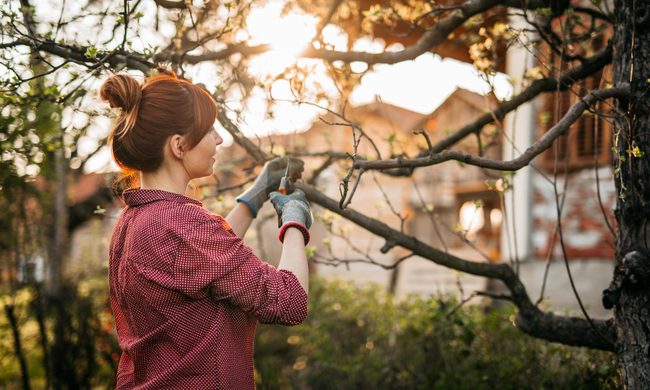
Person pruning a tree

What you need to do to keep a tree or shrub healthy can depend a lot on the type of tree or shrub, but something that is almost always the same is pruning. While there are a few small variations from plant to plant, the basics of pruning are mostly the same no matter what you’re growing. If you’re a beginner, you might have a few questions. What is pruning? How often should you do it, and in what season? Don’t worry, we’ll answer these questions and more in this guide to the basics of pruning.
What is pruning?

Pruning is the process of removing certain branches from a plant. Cutting your plant might sound intimidating, but pruning is actually important for maintaining the health of your trees and shrubs. The primary branches that are removed are those that are dead, dying, damaged, diseased, or at risk of becoming damaged. Branches at high risk are usually those that are growing too close to another branch or a structure of some kind. If the branches rub against each other too much in the wind, the friction can damage the bark. This leaves them vulnerable to pests and fungal infections.

Read more