There are a wide range of sustainable practices that can be implemented in your garden. In fact, there are so many that it can be difficult to determine which ones are a good fit for your garden and experience level. If you aren’t sure where to start, we’re here to help. We’ve got a list of sustainable gardening practices, sorted by difficulty level so you can be sure you’re picking methods that are doable for you. Even the most difficult practices on this list can be accomplished by any gardener, though, even a beginner. They just might take a little more time and effort to implement.
What does “sustainable” mean and why does it matter?
Sustainable, by definition, means something that’s able to be continued. In an environmental sense, though, the definition is a bit more specific. Environmental sustainability means that it can be continued without harming the environment or running out of resources. Sustainable gardening practices increase the positive impact your garden has on the environment while minimizing the negative impact.
Sustainable gardening practices are an important way that we, as individuals, can take care of the environment that we depend on for our gardens. They can also help if you’re feeling stressed about the larger global climate problems. Although most of those problems are large, and require larger solutions, sustainable gardening practices can greatly improve local environments. Fixing these smaller problems is a great first step to fixing those larger problems, too. The more people using and talking about sustainable practices, the easier it is to collaborate and find solutions for bigger environmental issues.
Sustainable practices to start with
These sustainable practices are easy and take little time or effort to accomplish, making them a good fit for any gardener, regardless of skill level or experience. Before you even begin your garden, there are three things you can do to make it more sustainable.
Get your seeds from a local source
Sourcing your seeds from a local seed exchange cuts down on the pollution caused by packing and transporting the seeds. Choose native plants, to help preserve your local ecosystem. Plant drought-tolerant plants to conserve water, especially in areas prone to hot, dry summers.
Switch from chemicals to more natural methods
Even small amounts of chemical pesticides, herbicides, and fertilizers can wreak havoc on your local environment, especially if they get into nearby water sources. Natural replacements can include insecticidal soaps, capsaicin spray, compost, organic fertilizers, and hand weeding.
Start composting
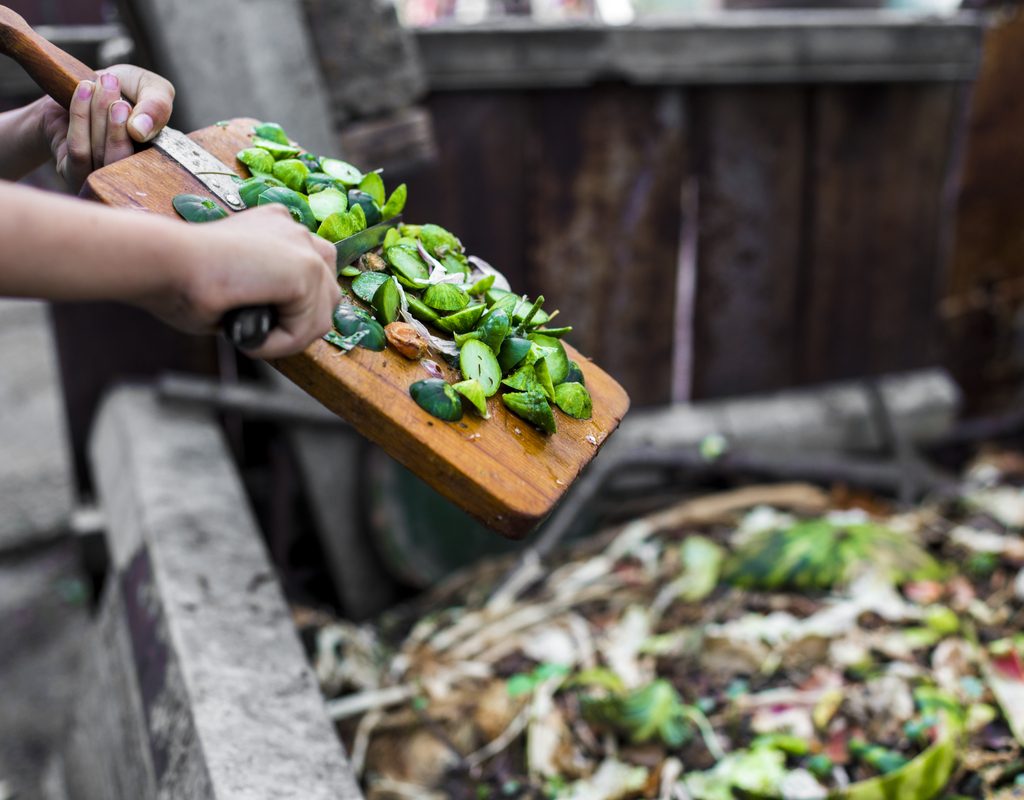
Gardening and lawn care can create a lot of scraps, which can be composted and used to nourish your plants. All you need is a clean container of whatever size you deem appropriate for the amount of scraps you have, some dirt to start off your compost, and plant scraps to add to it. During the fall, collect excess leaves to make leaf mulch. It’s an easy and sustainable replacement to inorganic mulches.
Sustainable practices that are a little more involved
These sustainable practices aren’t difficult, but they do take a little more time and effort to implement.
Install or make a rain gauge
Rain gauges measures how much rain has fallen. On average, lawns only need about an inch of rain a week, and most common garden plants need between one and three inches each week. A rain gauge can help you keep track of how much water your lawn and garden has already gotten, which prevents water waste.
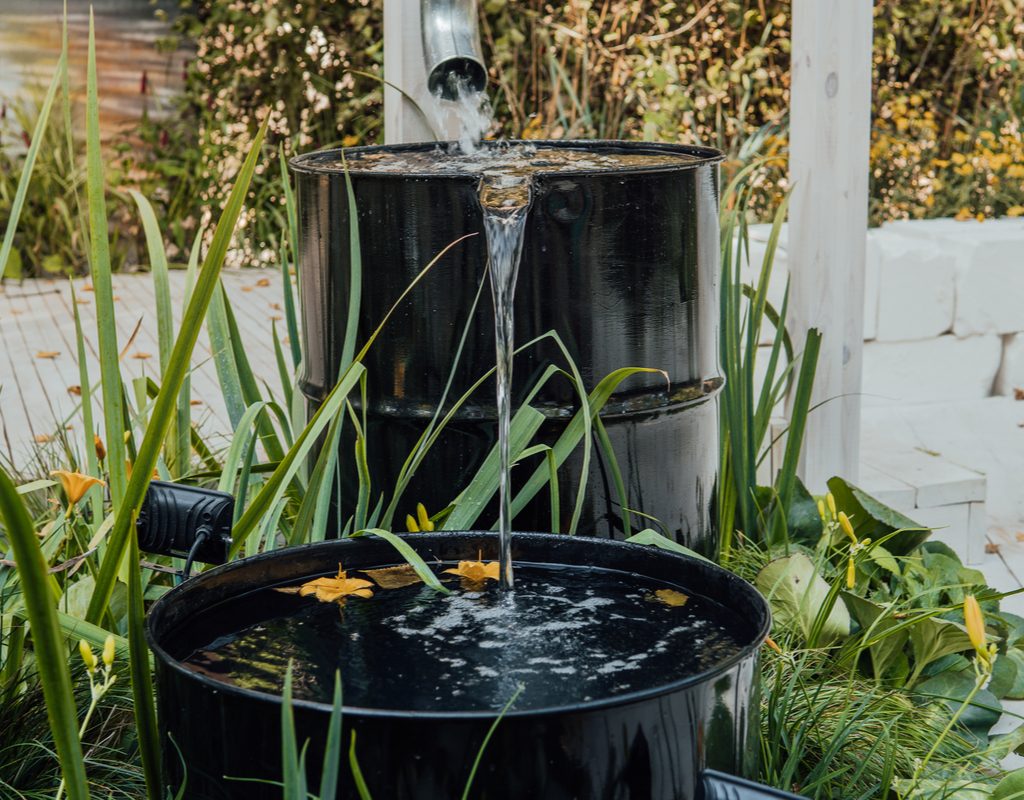
You can even collect rainwater for later use by setting up a rain barrel. Rainwater can be used for watering your plants, but also for cleaning. It can also be used for cooking or drinking, so long as the rain barrel is clean and the air quality is good.
Watch out for soil erosion
If the erosion is outside your garden, planting trees, shrubs, or plants with deep roots can help keep the soil in place. In gardens, most soil erosion happens when gardens are left empty for a period of time and when old plants are dug up to be replaced.
Try no-till gardening
If your garden is going to be empty for some time, plant a cover crop like clover or vetch to keep the soil in place. Otherwise, you can try no-till gardening—cutting up old plants and mixing them into the soil—rather than digging them up entirely.
Sourcing local seeds, growing native plants, using drought-resistant plants, rain gauges, and rain barrels to conserve water, composting, planting trees, growing cover crops, and implementing no-till gardening are all great, small ways to help your garden be more sustainable. Anything that leaves the environment better than you found it is a good thing.