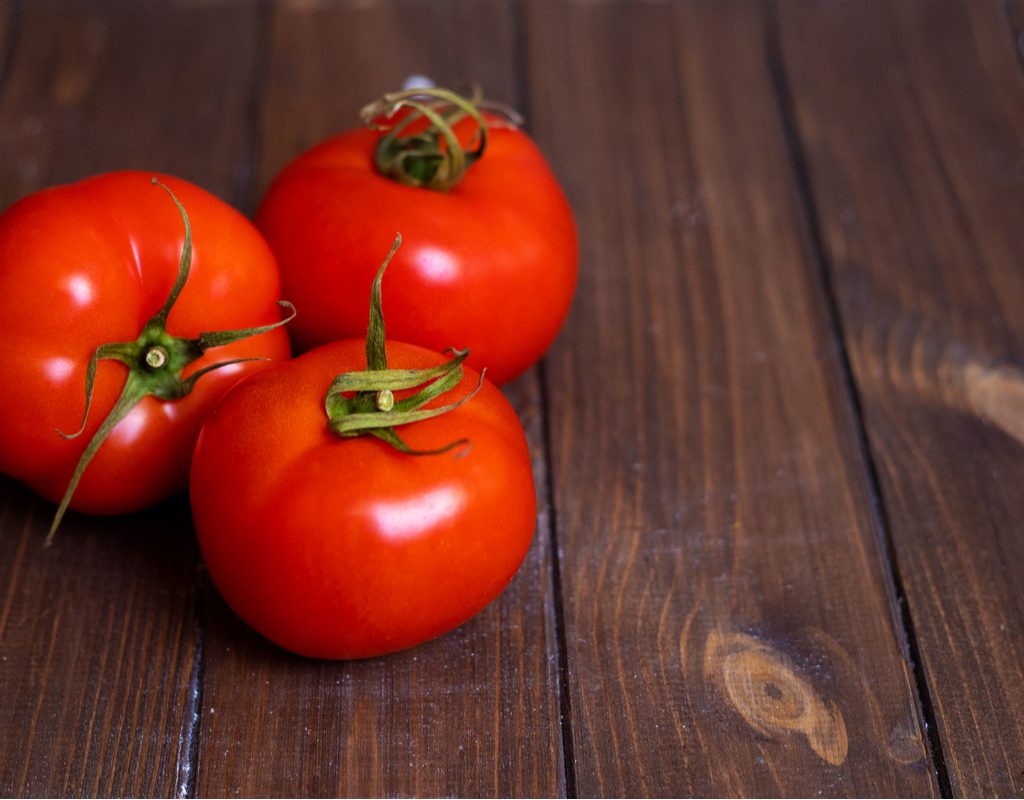
Tomatoes are probably the most popular veggies grown at home. Even novice growers can grow these plants with little to no experience in growing anything. Even better, many of these beginners are successful because tomatoes are so easy to care for and grow in your own home. However, one of the most common questions about growing tomatoes is, “Why is my tomato plant wilting?” Well, it could be due to a few reasons. We’ll take a look at them here and give you tips on how to get your tomato plants back into tip-top shape.
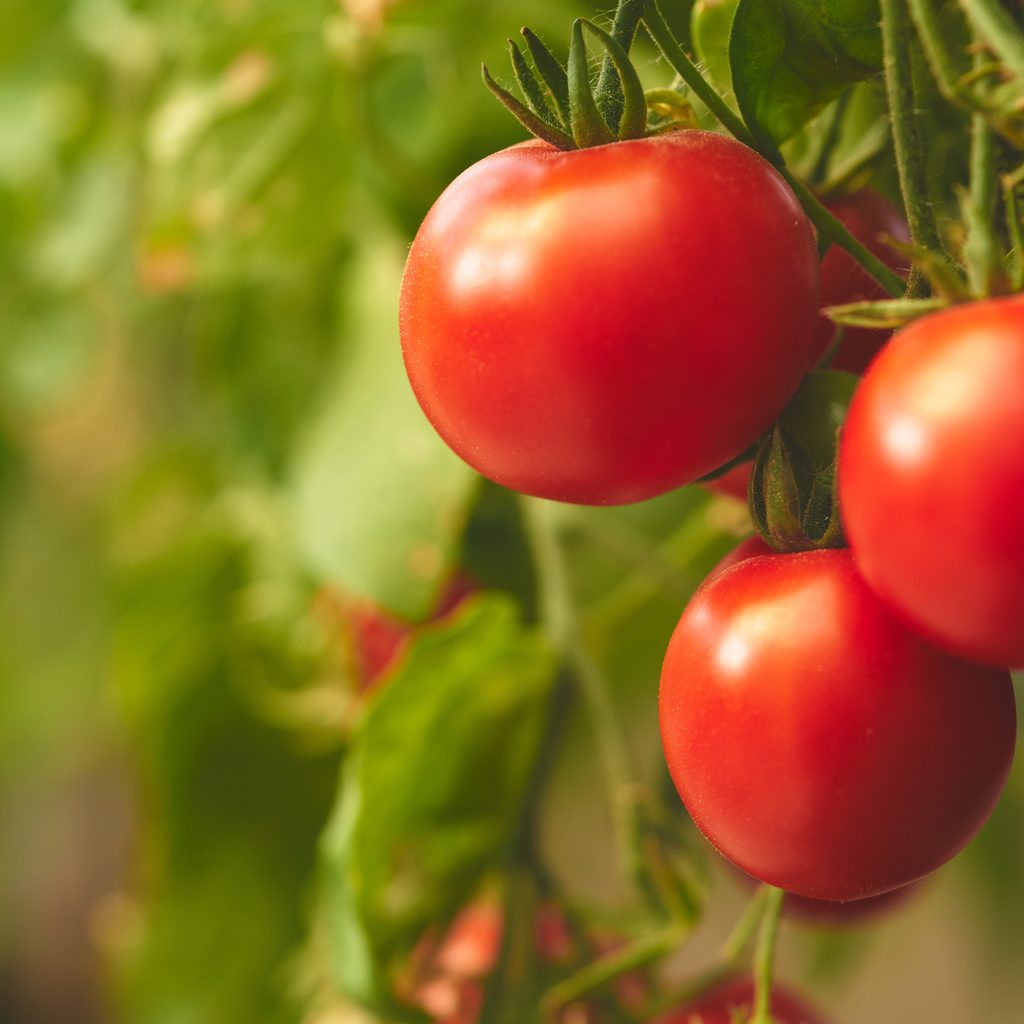
Why do people grow tomato plants?
Let’s first talk about why you want to grow tomato plants. Growing tomatoes at home has a lot of benefits. First, they’re healthier than store-bought tomatoes, and they taste better, too! There’s no denying that tomatoes grown at home have a richer flavor. Once you eat your own tomatoes, you’ll likely find the store-bought ones flat and watery by comparison.
There are so many varieties of tomato plants that you’ll be able to find and explore these fantastic fruits like you never have before (and yes, scientifically speaking, they are fruits, though the exact classification is complicated). There are endless tomato varieties in unique shapes, colors, sizes, and flavors. If you don’t like tomatoes or have someone in the family who isn’t fond of them, try homegrown varieties. You might find out that you or they just don’t like store-bought tomatoes, which often can be mushy and lacking in flavor.
Another reason to grow tomatoes is that they are very easy to grow. If you’re a beginner and you think you might be interested in gardening, then tomatoes are a great way to dip your toe in and see if you like it. Even with minimal care, tomatoes will provide you with edible fruit. They are very rewarding and will give you a taste of what it’s like to grow veggies. You can grow them in a raised bed, right in the ground, in containers, or even in hanging baskets. No matter how much or how little space you have, you can grow tomatoes.
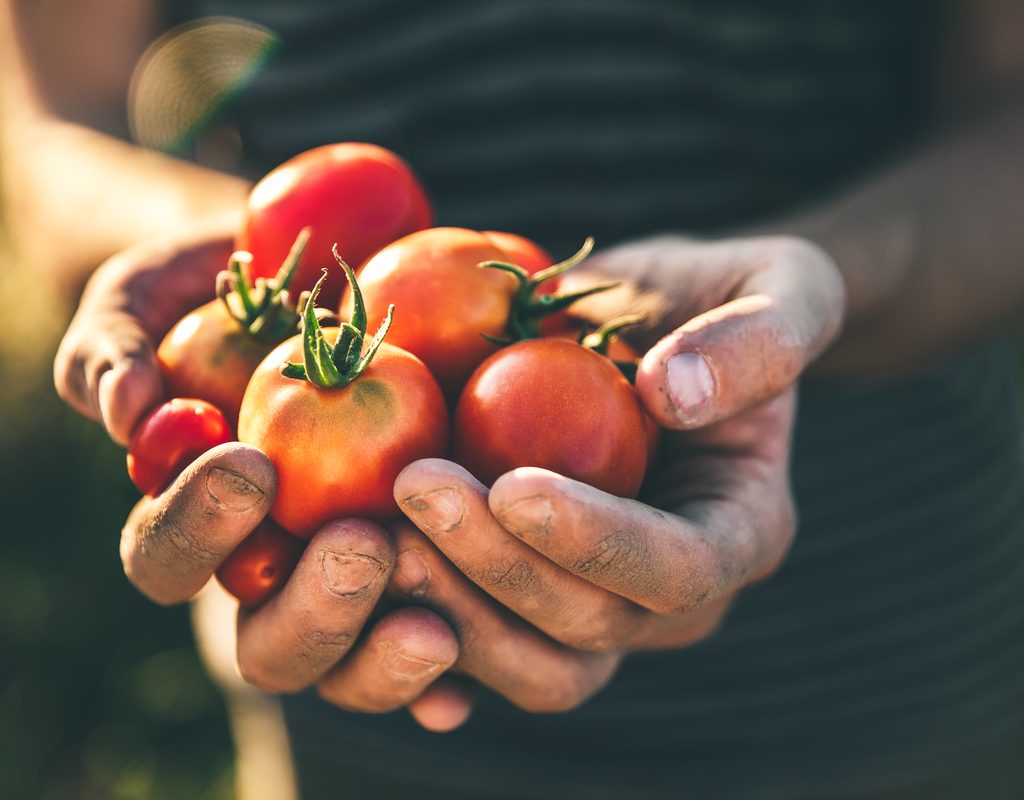
How do you keep your tomatoes healthy?
Prevention is key, so staying on top of your tomato plant care routine will help you avoid the need to triage any wilting. While you can start your tomatoes before the growing season, you should only have them outside after the last frost has passed. Keep each plant at least 3 feet apart and in full sun with 8 to 10 hours of light a day, watering when the first inch of soil feels dry to the touch.
To help with moisture retention, consider adding mulch to your soil. At the height of the growing season, you can fertilize your tomatoes every two weeks with a tomato-specific fertilizer. Avoid nitrogen-heavy plant food, as it may encourage foliage more than fruit.
What causes tomato plants to wilt?
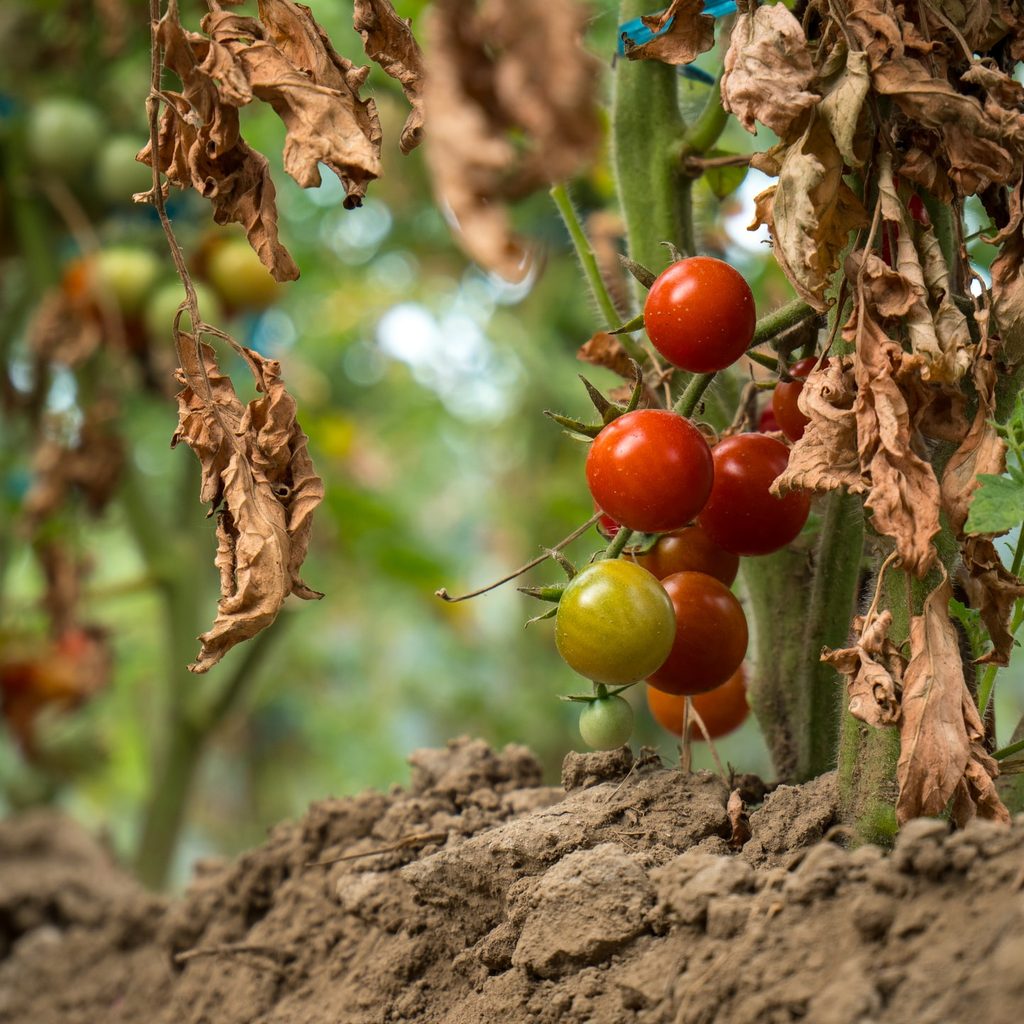
After spending hours caring for your plants in the garden, it’s disappointing to watch them wilt and not know how to help them. So what causes tomato plants to wilt? There are a few reasons this might happen: fungal wilt disease, tomato spotted wilt virus, walnut toxicity, stalk borers, or lack of water.
Verticillium and fusarium wilt are the two most common diseases that affect tomato plants. Tomato spotted wilt virus stunts the plant’s growth and causes wilting and bronzing of the foliage. Black walnut toxicity is when black walnut tree material is in the growing soil. Black walnut trees create a toxic material that can injure or even kill many plants, including tomatoes.
Stalk borers are insects that attack a wide range of plants within the garden, so if your tomatoes have them, other plants in your garden likely have them too.
Finally, a simple lack of water is very likely the cause of your tomato plants wilting — and luckily, it’s the easiest problem to address.
How do you revive a wilted tomato plant?
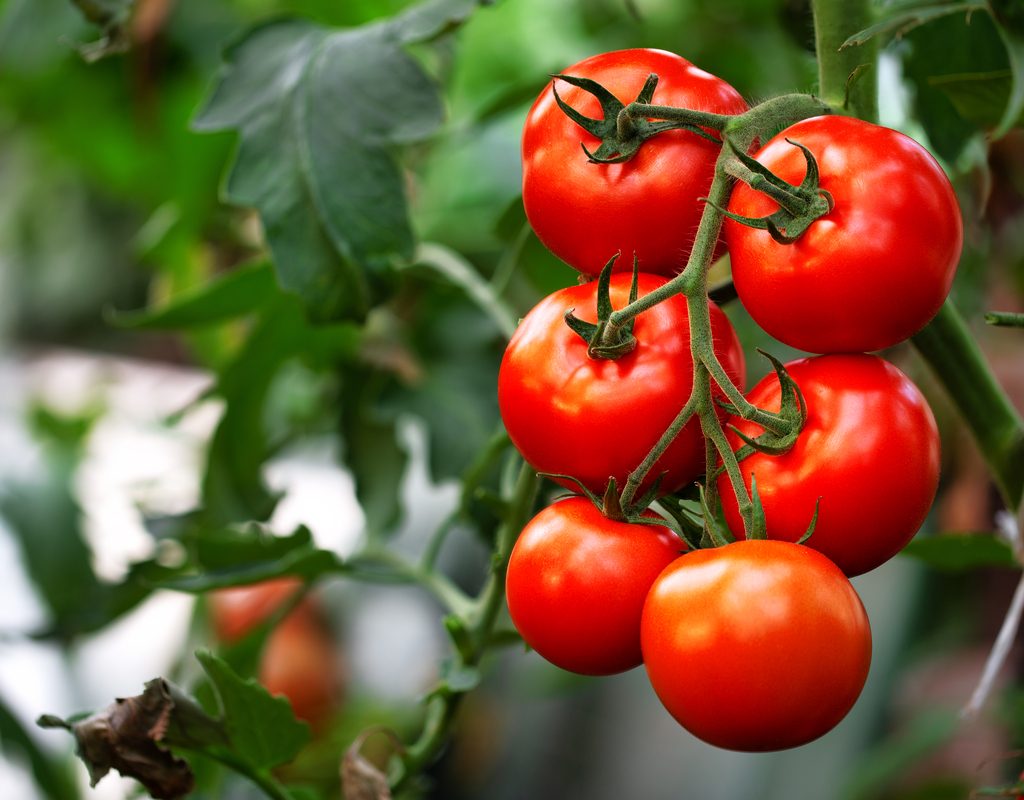
Can tomato plants come back after wilting? The short answer is yes! If the plant is very dry, you’ll need to provide it with an abundance of water. Tomato plants love to be watered deeply, especially during the long, hot summer days. Without enough water, the plants can’t produce their big, juicy fruit, and you’ll notice wilt in the leaves and stalks very quickly.
Tomato roots reach deep into the soil to find enough water, so you’ll have to water deeply. This means allowing the water to run for a while to give it enough time to reach the bottom of the plant. If your tomato plant is in a container, you’ll want to water it until the excess water starts dripping out of the bottom.
Keep in mind that container plants dry out much faster than plants in the ground, so consider that when you’re figuring out how often to water your plants. You’ll likely need to water your container of tomato plants more than once a week during long, hot days.
What are the signs of overwatered tomato plants?
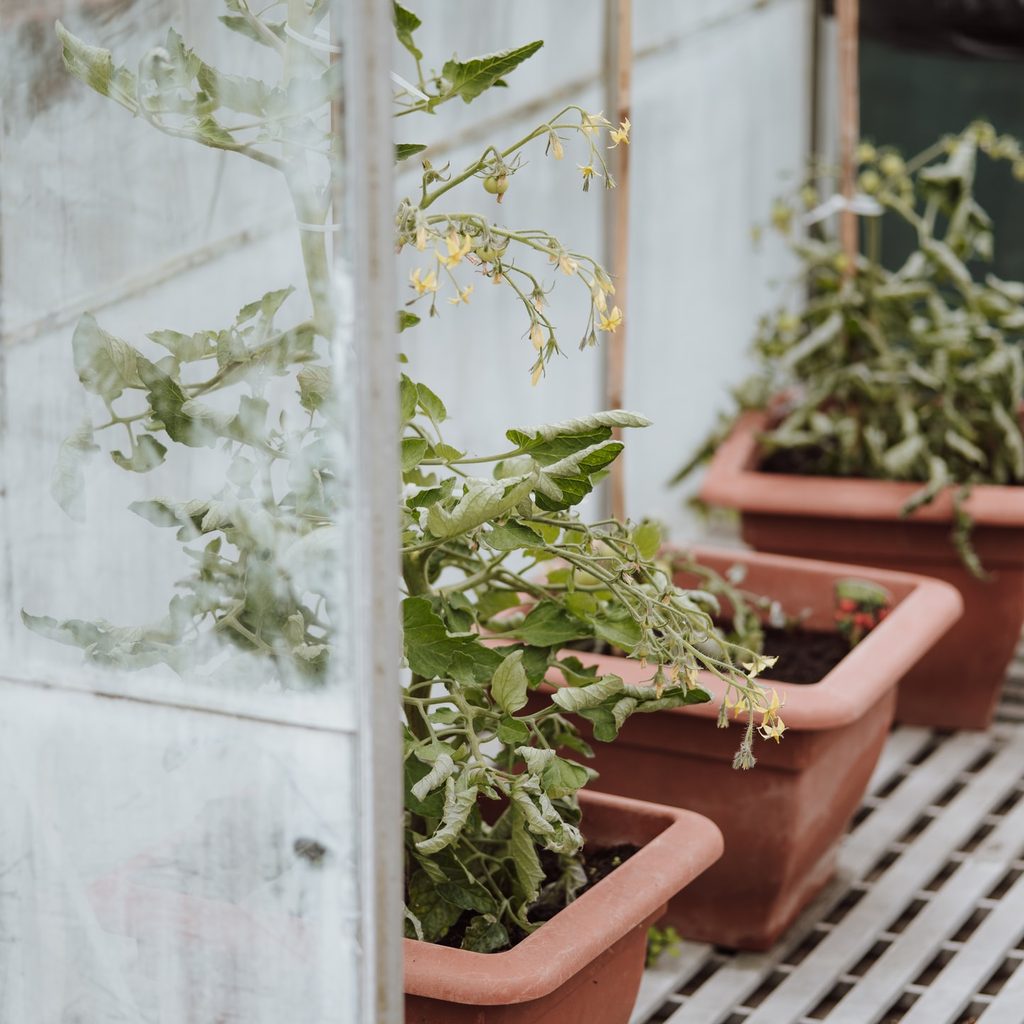
Now that you may be nervous about underwatering your tomato plants and causing them to wilt, you might also be afraid to overwater your plants. Overwatering is much more difficult for a plant to recover from than underwatering, so it’s crucial that you avoid overwatering as much as possible. But if tomatoes love water, then how do you know when too much is, well, too much?
Look for signs of cracked or blistered fruit or bumps on the lower leaves of the tomato plant. When you begin to notice these symptoms, stop watering your plant and allow the soil to dry out a bit before you water it again.
Pay attention as well to the weather before and after watering your plants. For example, how hot has it been, how much rain have the plants gotten or will get soon, when was the last time you watered them, and how much fruit are they producing? These factors play into how much water the plants might need. With potted plants, you can use a moisture meter device to accurately measure how moist the soil is in the pot. Then you can make a more informed decision about how much water the plants might need.
Caring for plants can be stressful, but arming yourself with the information you need to be successful is crucial to their survival and your enjoyment! There are so many benefits to growing tomato plants, and now you know how to prevent wilting and how to save a tomato plant that has already begun to wilt.