We tend to think of fruit and vegetable gardens as the only way to grow our own food, but edible plants are all around us. You don’t need to go out into the woods to forage, though. Many of the plants that we label as weeds and strive to get rid of started off as valuable food sources. We’ll tell you all about six edible weeds you can add to your meals. Before harvesting any of them, though, be sure you know that the plant you’re eating is the plant you think it is, wash them before eating, and don’t harvest from any part of your yard or garden where chemicals have been sprayed.
Dandelions
Dandelions are often one of the first weeds people turn to when they begin eating weeds, and it’s no mystery why. Dandelions are easy to recognize, they grow everywhere, and every part of them is edible. The leaves can be added to a salad, and are especially tasty and tangy if picked when they’re young and tender. The flowers can be eaten raw, but the texture is often off-putting for people. Instead, try cooking them into a jelly, jam, or wine. The roots are most often boiled into tea, but can also be added to coffee. The seeds can be eaten raw, processed into seed milk, or ground into a flour-like dust.
Wood sorrel
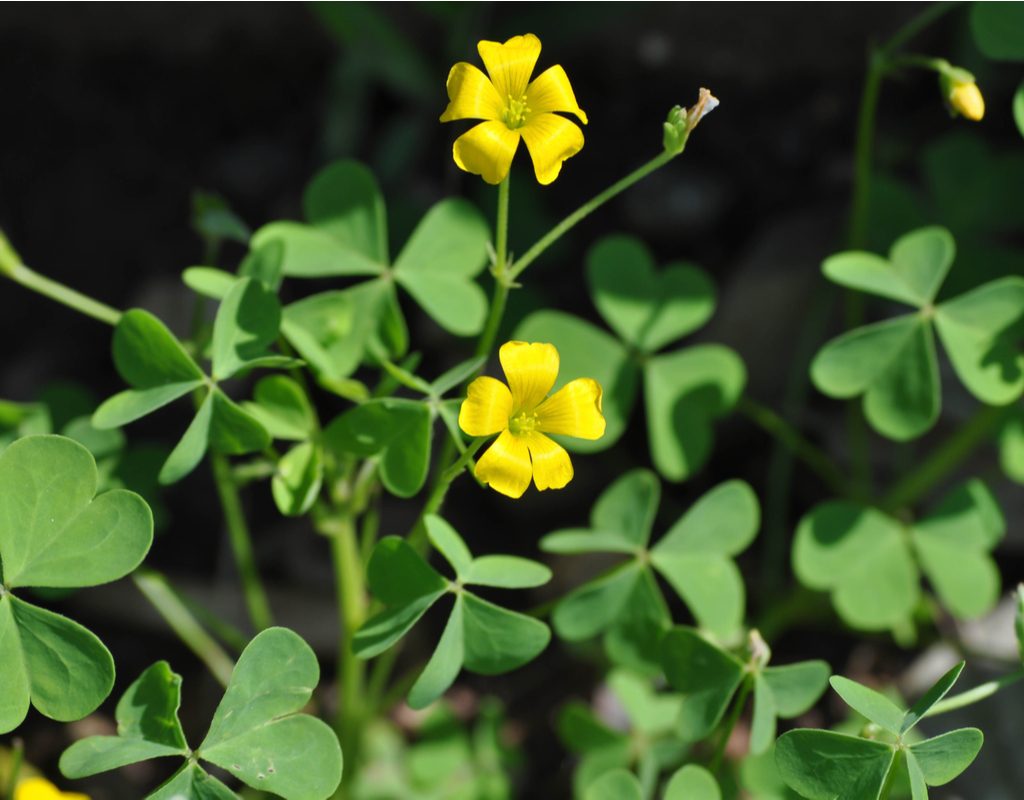
Wood sorrel is another tangy green you can add to any salad or soup. It can be found in any state, but does go dormant when it gets cold, so northern states may have a smaller harvesting window. Wood sorrel has leaves that resemble clover leaves, but with small, five-petaled flowers. The most common variety of wood sorrel has yellow flowers and green leaves, but it can also have pink, purple, or white flowers, as well as leaves that are darker green, purple, or both. The leaves and flowers are both edible, whether cooked or raw, and it makes an excellent garnish.
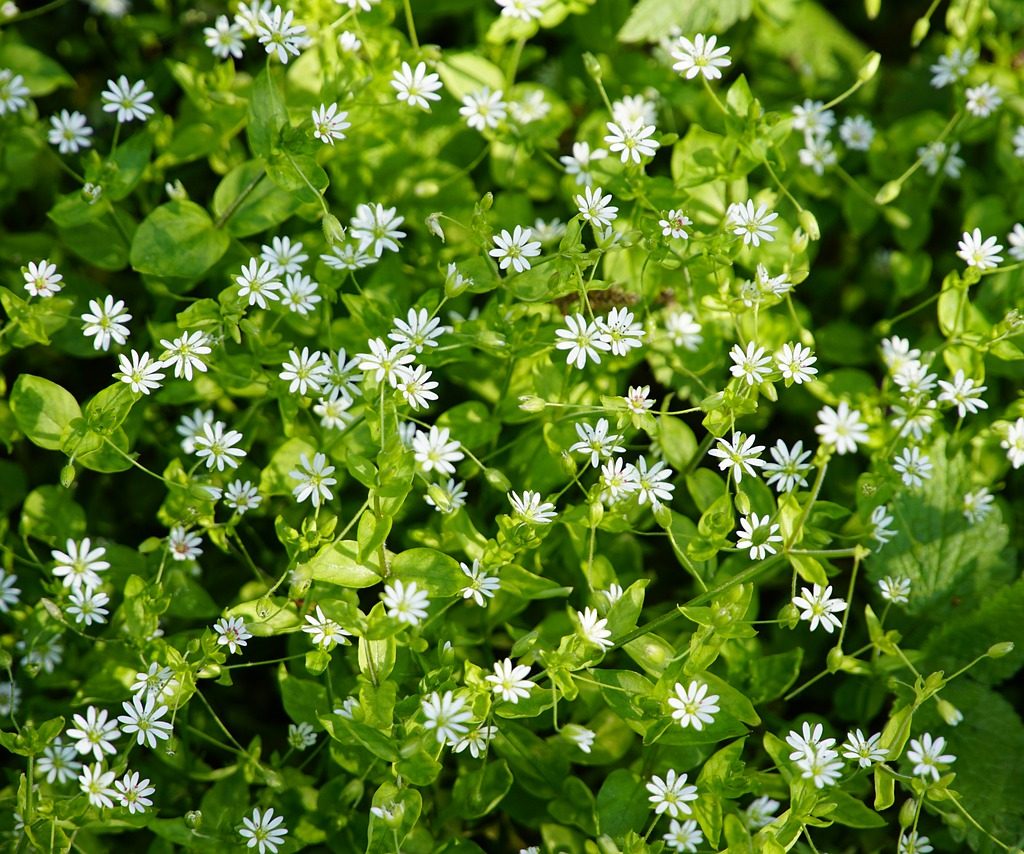
Chickweed
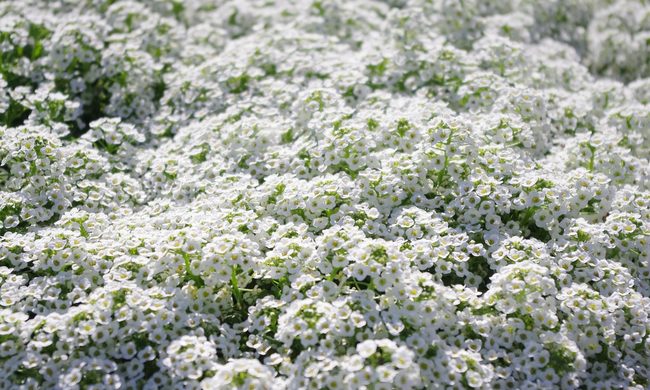
Chickweed has small, round leaves and tiny white flowers. If you look closely at the flowers, the petals are shaped like the letter “v,” making them easy to identify. Chickweed grows in every state, and it often grows in thick patches. You can eat the flowers, seeds, leaves, and stems of chickweed. It has a very fresh taste, which is often compared to grass, corn silk, or spinach. You can add it to your stir fry, soup, or salad, as it can be eaten cooked or raw. Chickweed typically grows in cooler weather, so, while it may be found in abundance year round in some northern climates, it’s typically harvested in winter and spring.
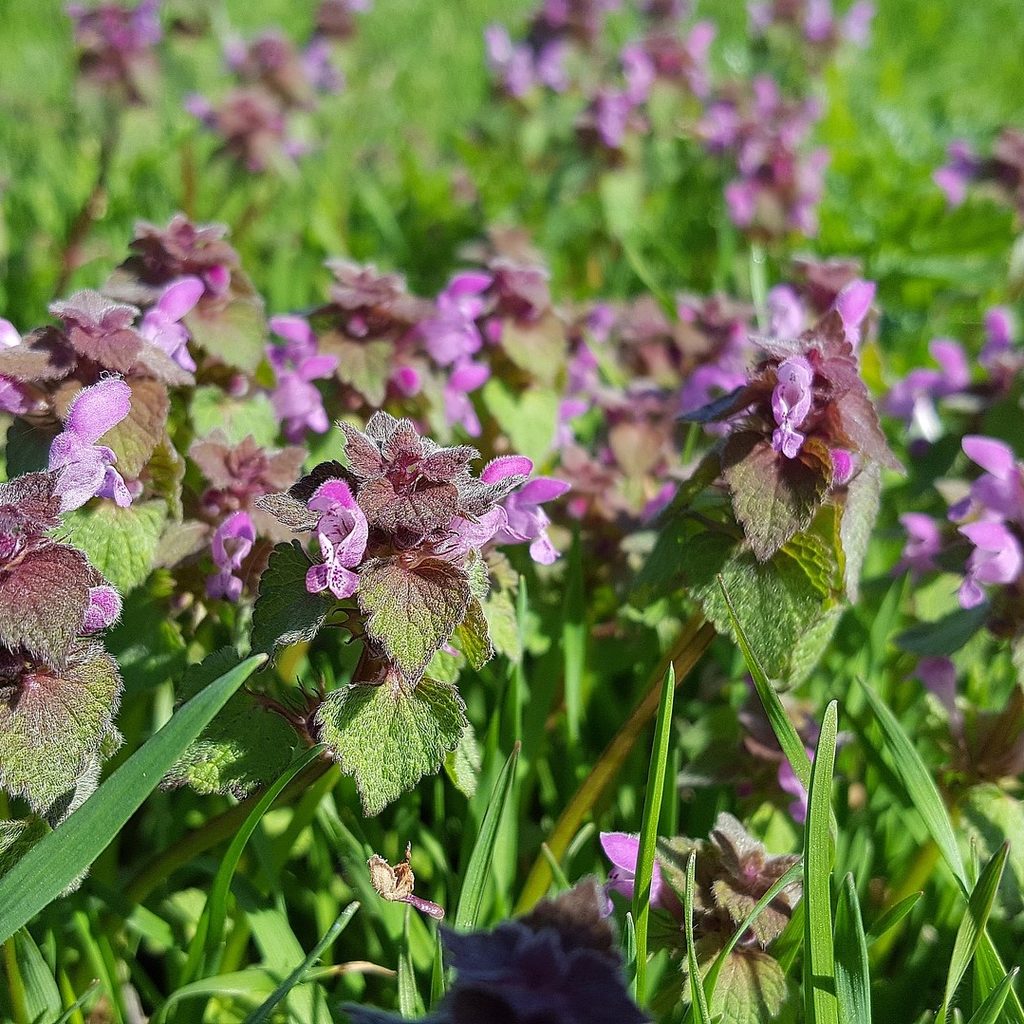
Dead nettle
Despite its name, dead nettle is very much alive in almost every state. You may have difficulty finding dead nettle if you live in an area that’s particularly dry or prone to droughts, but otherwise you’ll likely find plenty of this weed. It’s mostly found in late winter and early spring, when the weather is still cool but any snow on the ground is beginning to thaw. Dead nettle has small, heart-shaped leaves that are soft and green. They grow short stems with tiny, trumpet-shaped purple flowers that peek out between layers of leaves. As they reach maturity, their leaves begin to turn purple. The stems, leaves, and flowers of dead nettle are edible both cooked and raw, and have a flavor that’s often described as reminiscent of mushrooms.
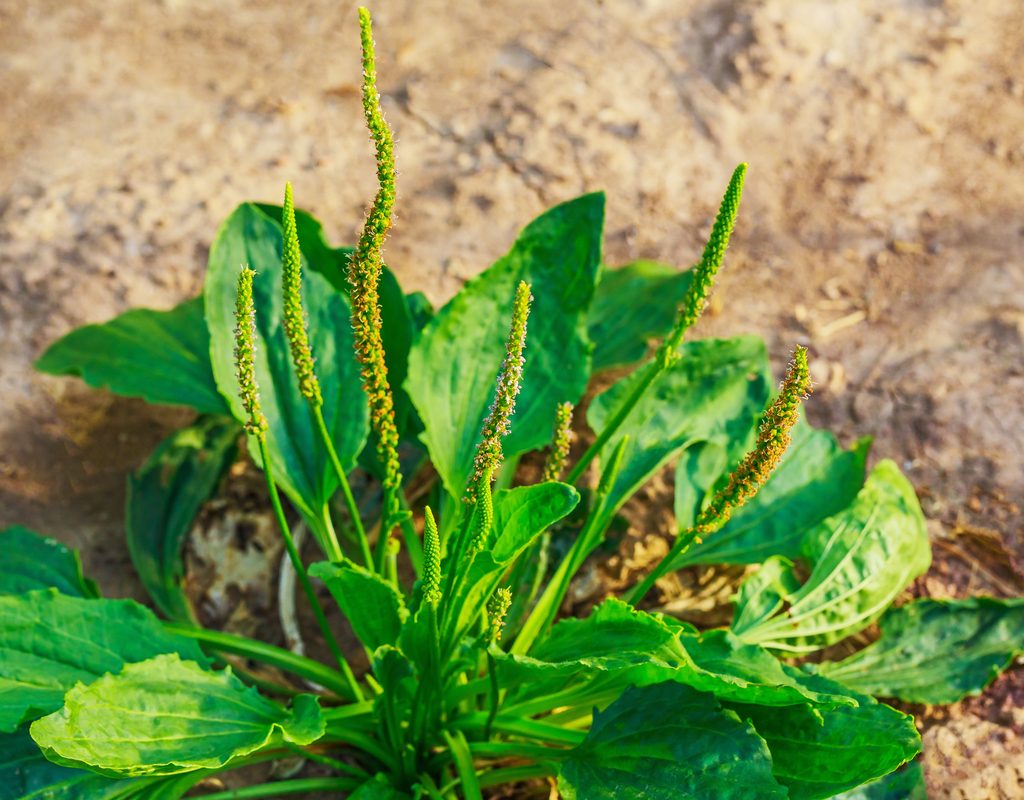
Plantain
Not to be confused with the type of banana that shares its name, the plantain you’ll find in your yard is easiest to recognize by its green flower spike. Both broadleaf and narrowleaf plantains are common in yards and gardens. The leaves and flowers are both edible, with the leaves having a fresh, leafy taste and the flowers having an earthier, more mushroom-like flavor. When harvested young, the leaves are tender. Mature leaves, particularly of the broadleaf plantain, are somewhat thicker than typical salad greens, which can be off-putting for some people.
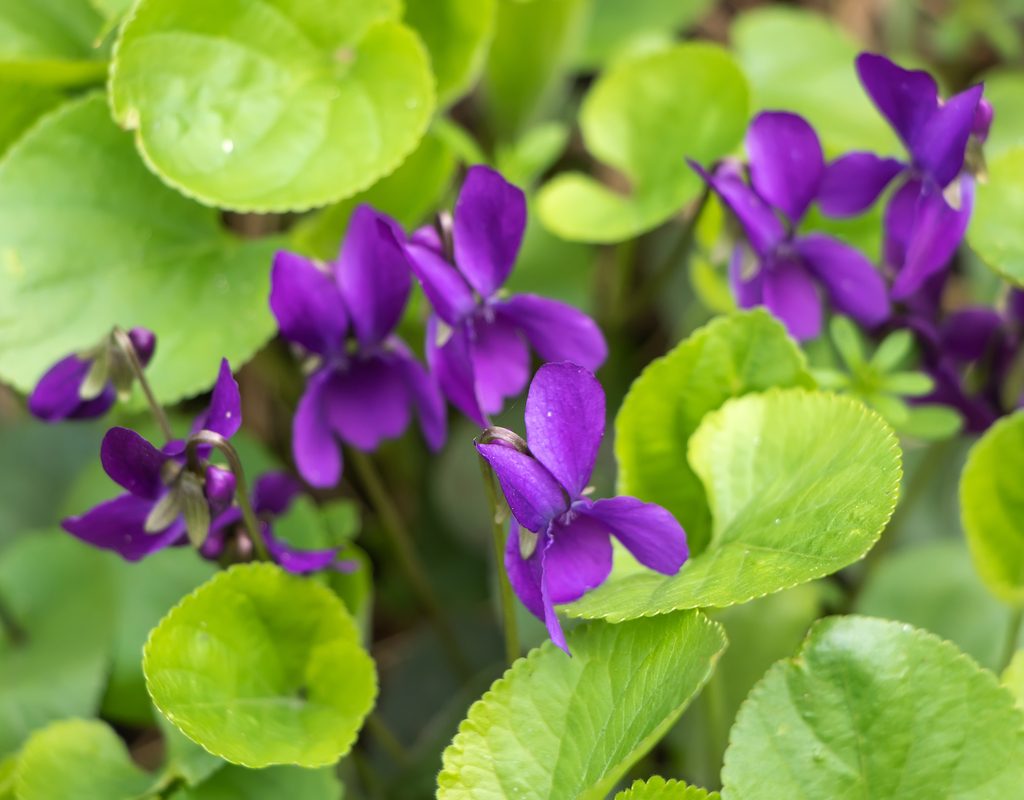
Violets
Violets are often grown in edible flower gardens, but did you know you can also eat the smaller, wild violets that pop up in yards from time to time? Wood violets have a sweet, mild flavor. They work well as garnishes, can be candied and used to decorate desserts, or added to beverages. However, they’re also mild enough that they can be added to savory dishes, giving the dish a pop of sweet without being overwhelmingly floral. They strongly resemble their larger, more decorative cousins, with smooth, heart-shaped leaves and purple or white flowers. Both the leaves and flowers are edible.
There’s a wide world of edible plants out there for you to try, but these six are a great place to start. Remember to triple check that you have the right plants, wash them before eating, and don’t harvest from areas that are sprayed with chemicals or popular sites for animals to visit. As long as you’re being safe, you can forage in your own backyard all year round.