No matter what plants you grow, at some point you’re likely to deal with pest damage. Although there are plenty of products out there that can help get rid of pest insects, there might be an easier solution for you. It may seem strange to use insects to control insects, but many gardeners actually use this technique. Is there any merit to it, though, and how would it even work?
If you’re curious, you’re in the right place. We’ll answer all your pest control questions so you can decide if using insects as pest control is right for your garden.
Why do people use insects as pest control?
The idea behind using insects as pest control is that the insects that typically damage plants are the prey of other insects. A population of predator insects would eat the smaller, pest insects, which would then save the plants from being damaged. The idea itself is sound. There are insects that eat many of the most common plant-damaging insects that gardeners struggle against.
However, not all plant damage comes from insects, and not every predator insect eats every type of pest insect. Whether or not this is an effective pest control method depends on knowing what is causing the damage in your garden and what insects or methods can impact it. Its level of effectiveness can also be impacted by the environment you live in and whether you’re encouraging insects to move into your garden or releasing them yourself. Something to keep in mind, no matter which introduction method you use, is that you’ll likely need to stop using any chemical pesticides you’ve been using in your garden. The pesticides that kill pest insects also typically kill beneficial insects.

What insects are the best to use?
Which insect is the best will depend on which specific pests are plaguing your garden, since not all insects eat the same things. Here are a few of our top choices for you to consider.
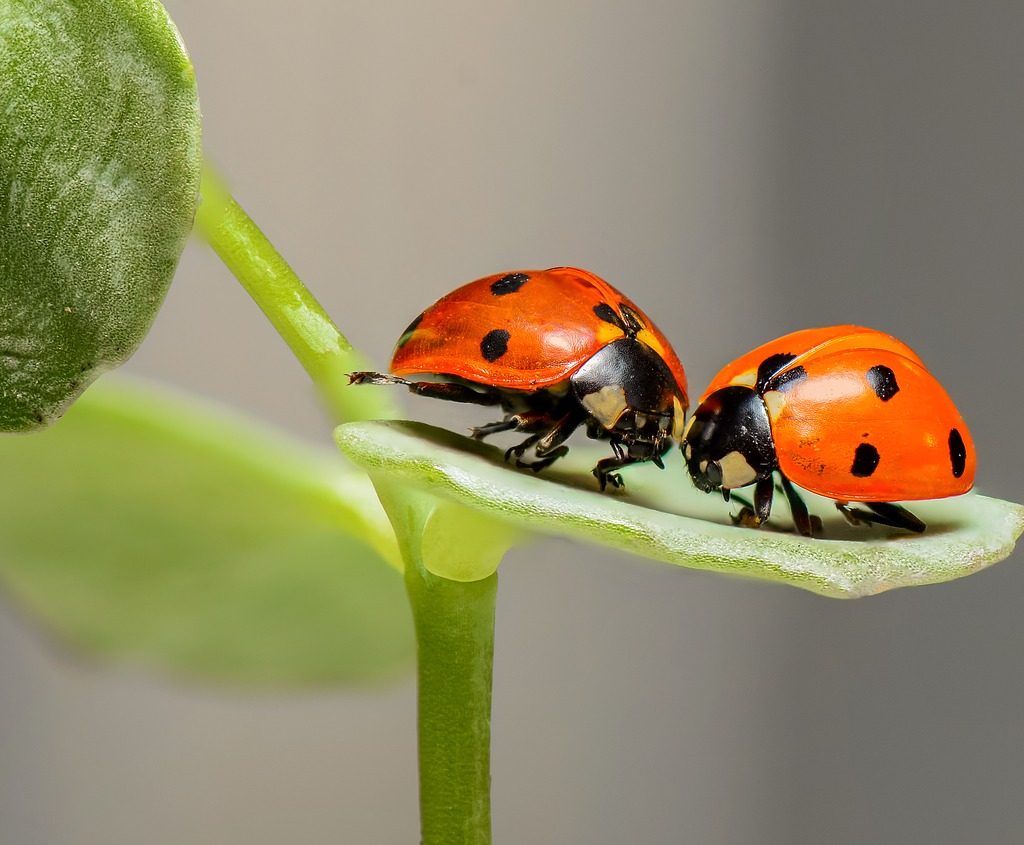
Ladybugs are perhaps the most commonly used insect. They eat a variety of mites and aphids, which are small but can deal a lot of damage. Ladybugs are also easy to come by, as they are commonly found in most regions of the US and are available online.
Spiders, while not technically insects, can also be very beneficial. Orb weavers and sac spiders in particular can be helpful in controlling caterpillars and beetles. However, there are many types of spiders, so be sure to check out which are native to your region to find the most helpful garden spiders for you.
Praying mantises can also be helpful. They have a varied diet, which does include some insects you may want to keep around. However, they also eat caterpillars, beetles, and crickets, all of which can cause damage to your plants.
Releasing insects into the garden
Of the two ways to implement insects as pest control, releasing live insects into your garden is faster, but also more risky. Not all insects are available legally on the internet, and not all insects that are released into the garden will stay there; however, you do have a wider range of insects to choose from.
This method works most effectively with ladybugs, which can be obtained easily in large numbers. Look for ladybugs that are captive bred rather than wild caught, to reduce the risk of introducing disease into your local insect population. Ladybugs are typically shipped while in a cold-induced hibernation, and can be stored in your refrigerator for a few days until you’re ready to release them.
Releasing them at night increases the odds that they’ll stay in your garden. Place the ladybugs gently in an open container, so that they can escape when the rising sun and warmer temperatures wake them. Set the container close to the plants that are the most heavily infested with pest insects. This way, even if they don’t stay in your garden for long, they’re likely to eat before they go and reduce your pest issue significantly. Adding a small water source nearby, such as a shallow dish or even just a few bottle caps of water, also greatly increases the odds of the ladybugs staying.
Encouraging insects to move into the garden
The second introduction method takes longer, but carries less risk of introducing disease and of insects fleeing your garden. To encourage local insects to move into your garden, make sure your garden is a suitable habitat for the insects you’re seeking. Providing a water source and cover from the elements or predators is important. The water source can be a formal water feature, like a bird bath or fountain, or something more manageable. Shelter can take the form of shrubs or tall grass.
Insects are also attracted to specific plants. For example, ladybugs will eat pollen in addition to insects, so planting some of their favorites, like cosmos, geraniums, or fennel, will attract them. Herbs are also attractive to ladybugs. Mantises enjoy these plants as well, so adding them to your garden can be doubly effective.
With all this information in mind, you’re ready to decide whether or not you should use insects to control your garden’s pest population. Which insects you use and how you use them is up to you, but hopefully these tips and tricks can help you get the results you want. Whether you release ladybugs or lure mantises, this guide should get you started.