Gardening is naturally a dirty job. Your hands can be washed, and clothes can be thrown into a washing machine, but what about your tools? Leaving them dirty can cause corrosion, but washing them in water and leaving them to dry might rust them. Trowels, spades, and the like can be expensive to replace, especially if yours are high-quality tools. One solution is to clean them with vinegar. Vinegar is already used in plenty of household cleaning supplies, but keep reading to see how you can use it on your garden tools as well.
What can and can’t vinegar clean?
The good news for gardeners is that all or most of your tools should be safe to clean with vinegar. Stainless steel and plastic are both fine; leather and fabric can also be cleaned using vinegar, although they may retain some of that astringent, vinegar-y smell.
If you have any stone tools or work spaces, though, reconsider your use of vinegar as a cleaner. While a small amount of vinegar may not have any immediate visible effects on your stone surfaces, over time the acidity of the vinegar will wear away at it. Wood is also safe for vinegar for short periods of time; but, if not properly sealed, the vinegar can soak in and dry it out.
Preparing your supplies
While technically any kind of vinegar will work to clean your tools, white vinegar and apple cider vinegar are your best choices.
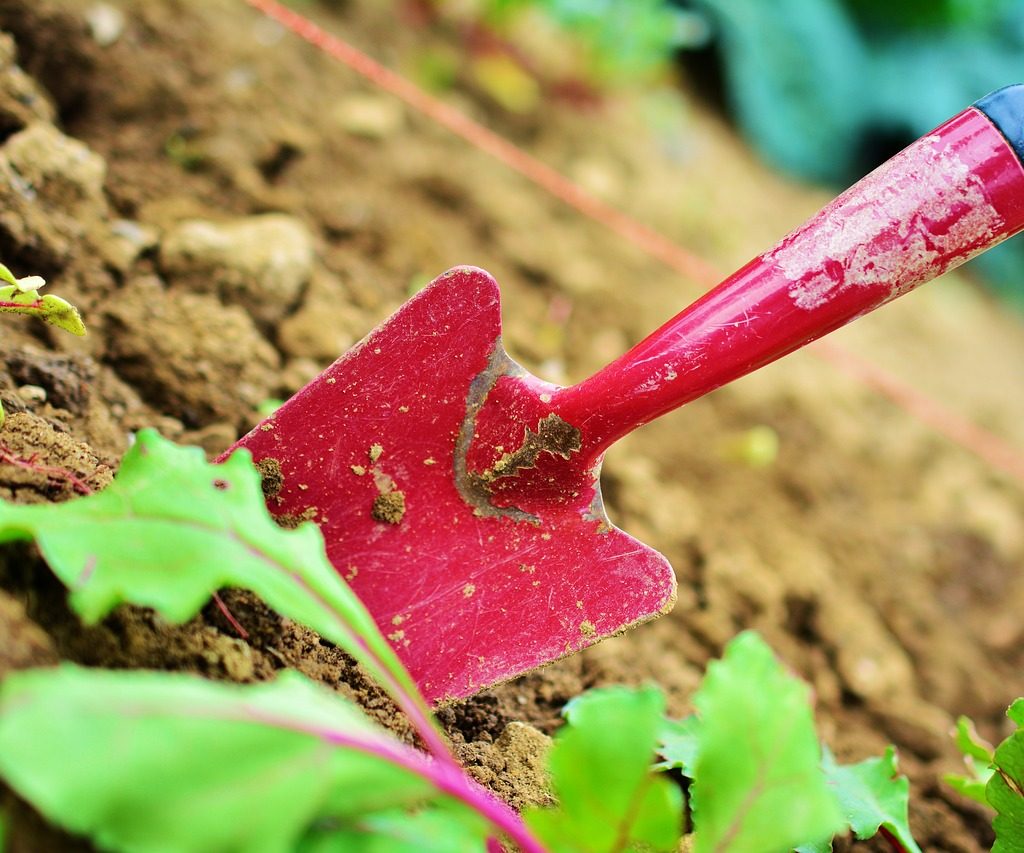
You’ll need a dish rag, towel, or cloth of some kind, and you may want a second cloth for drying tools after cleaning them up. Be sure to pick towels or cloths you won’t mind getting a little dirty and that can be washed afterward. You may find it helpful to have a small bowl or spray bottle to pour your vinegar into, but you can use it straight from the bottle if you prefer.
Cleaning your tools
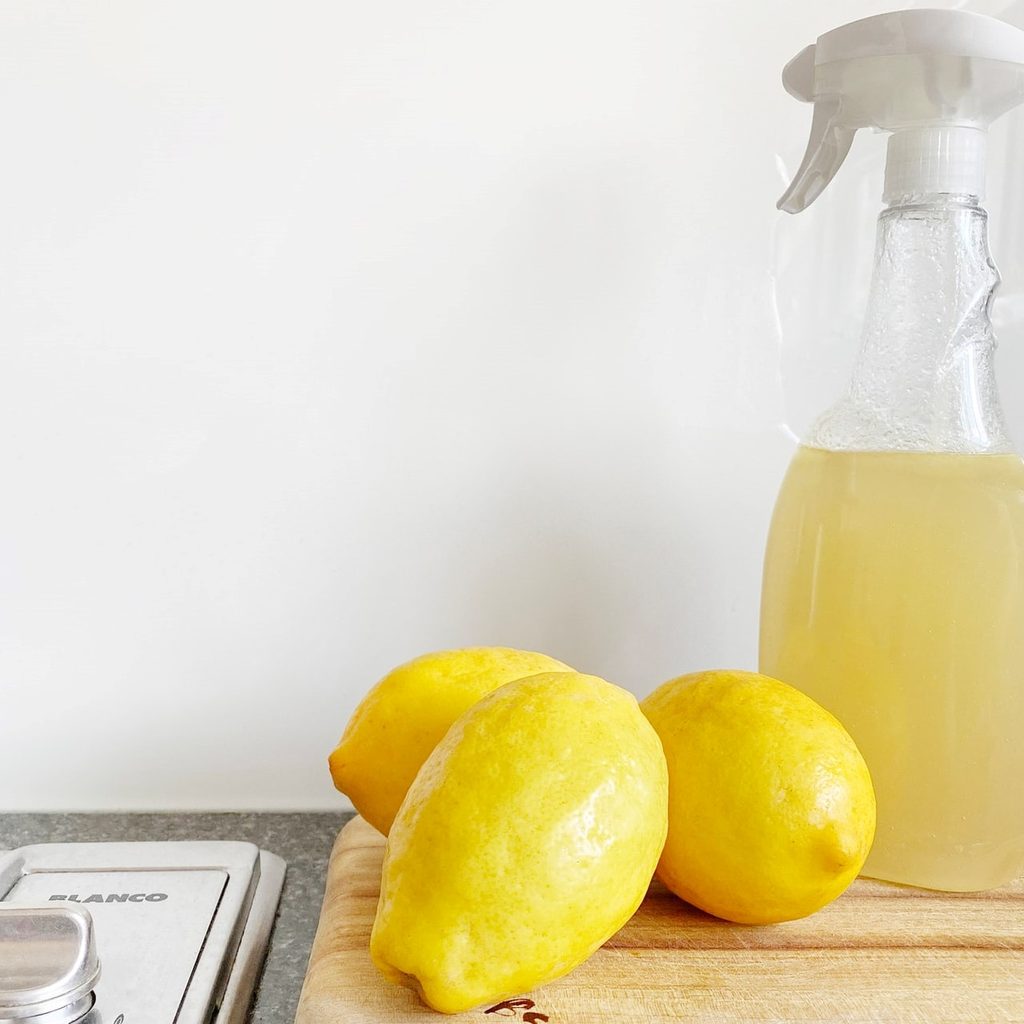
You have a few options, depending on the size, shape, and amount of dirt on your tools. The general idea is to apply a small amount of vinegar to the tool and then add pressure and friction. You can either pour a small amount of vinegar to your cleaning rag, or dip your rag into it if you have a bowl handy, and gently rub the dirt away. Loose dirt should come right off and, with a bit more pressure, dried mud and plant bits will flake off. It may take more than one round of vinegar, though.
You can also apply the vinegar directly onto the tool and rub it with a dry rag. This is easiest if you have a small spray bottle, and it works great if you’re looking for just a general all-over clean and polish. If you have a particularly tough spot, target that spot with your spray bottle and let the vinegar sit on it for just a minute or two. This should loosen it up.
Cleaning up afterward
Much like the rest of this process, cleaning up afterward is simple. Gently dry your tools with a towel. Any cloths you use can be added to your next load of laundry. The vinegar won’t stain or damage them. In fact, vinegar is sometimes used as a stain remover and fabric softener. Any bowls, spray bottles, and other containers can be hand or machine washed, depending on the container and your preference.
Leftover vinegar that came into contact with the tools, such as vinegar in a bowl that your cleaning rag was being dipped into, should be disposed of in your sink. Don’t pour it outside as vinegar can harm your plants. Leftover vinegar that didn’t come into contact with your tools, such as vinegar that was in a spray bottle, can go back into storage for later use.
Benefits and health concerns
This method is inexpensive and uses common household items. It doesn’t take much vinegar, so one bottle of vinegar can last you quite a while. Additionally, vinegar is a very effective cleaner without any harsh chemicals and can even improve the shine of your tools.
There aren’t any major health concerns to note from vinegar itself. It can be a mild skin irritant if you have sensitive skin and should be kept away from your eyes, but it doesn’t cause any permanent harm and is safe to ingest. If you do have a mild reaction to vinegar, wash it off your skin or out of your eyes with plain tap water.
One important thing to note is that vinegar should never be mixed with bleach. When combined, they create deadly chlorine gas. Since bleach is another common cleaning chemical, this mixture most commonly occurs when attempting to improve cleaning methods. If you believe you’ve been exposed to chlorine gas, evacuate the immediate area and call poison control for further instructions.
Follow these simple steps and soon you’ll have sparkly clean tools ready for your next round of gardening. Proper tool maintenance is important since dirty tools make it markedly harder to garden. Tools can be expensive to replace, too. So the solution is to take care of your tools, and the best way to take care of them is to clean them with vinegar.