Besides mowing and watering, part of keeping a lush lawn is fertilizing it properly in the fall. If you’ve ever shopped for grass fertilizers, you may have heard of winterizing fertilizer. Basically, this type of lawn food, typically a nitrogen-heavy version, prepares grass with an energy reserve for winter. For an explanation of how winter lawn fertilizer works and how you should apply it, read ahead.
Why would you fertilize your lawn during the winter?
Fertilizing way ahead of the growing season will help your grass grow healthy when the temperature warms up. You might see companies refer to such seasonal fertilizers as winterizing fertilizers. This name is somewhat misleading since you want to apply the fertilizer during late fall when grass growth slows down. They’re all about preparing your grass for winter.
When your grass goes dormant in wintertime, it’ll use nutrients such as nitrogen to store energy in its root system. But you won’t see growth before spring. It’s not a futile effort to give your grass some love before winter, though. You’ll be rewarded with fresh green blades in just a few months, plus the fertilizer helps your turf survive harsh winters.
Should you fertilize your lawn during the winter?
If you garden or grow indoor plants, you probably know that fertilizing your plants during the winter isn’t ideal. Most plants become dormant when it gets cold, and fertilizing them too early can cause them to focus on developing new foliage instead of roots, resulting in leggy, top-heavy plants. Plus, winter fertilizing can burn your roots and foliage. The same logic can be applied to lawn care. You don’t want to fertilize right in the middle of the winter after the first frost.
The best time to fertilize your lawn is actually during the late fall, about a month (or even two) before your first frost, which can be earlier or later depending on your climate zone. For warm places, this time frame can be in November or December, although it’s usually September or October in northern regions. (A good rule of thumb is to start fertilizing when temperatures hover around the high 40s.) If you miss this window, you can also fertilize your lawn early during the growing season.
How do you apply fertilizer before winter?
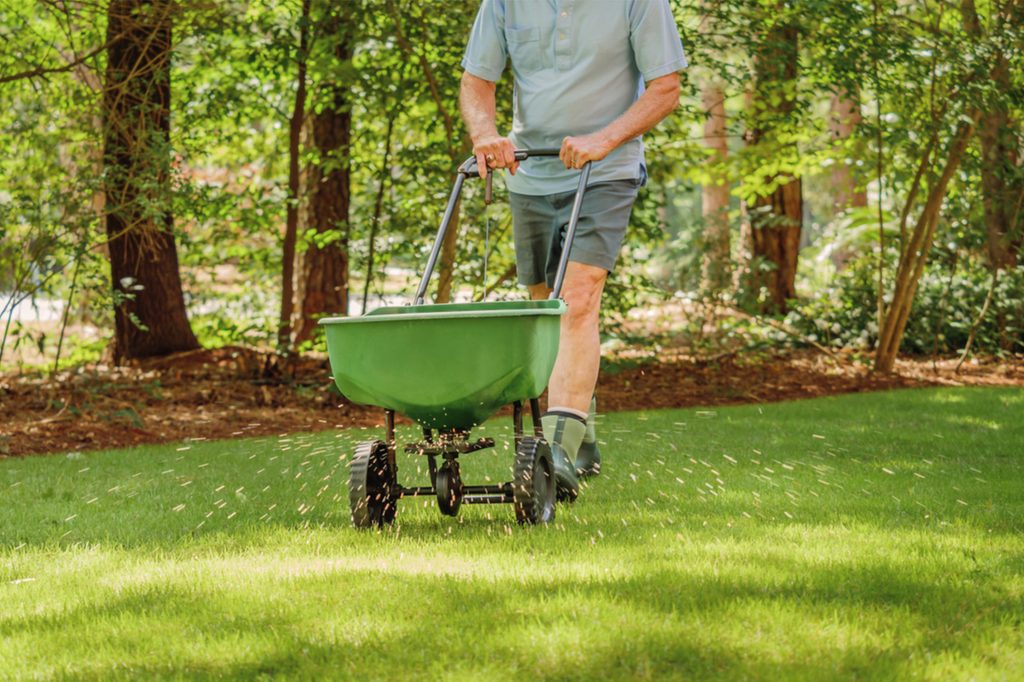
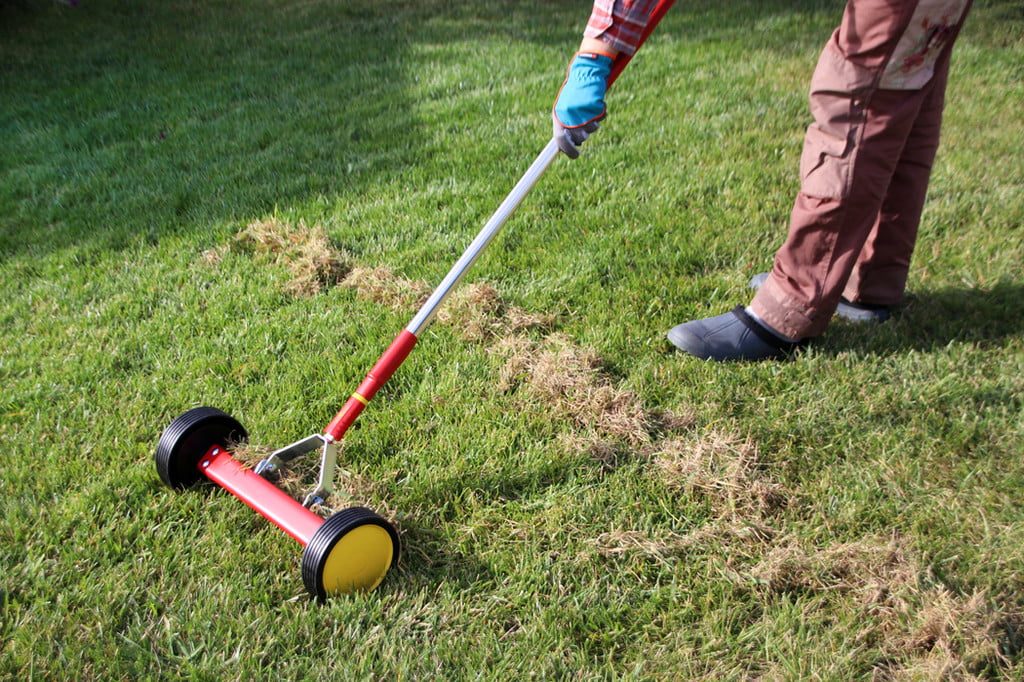
What’s unique about winter fertilizers is that they’re primarily focused on nitrogen. After picking up the best winter fertilizer for your yard, you’ll want to clean up your grass during the autumn. Mow the lawn so that it’s even, aerate it, pick up dead foliage, and consider over-seeding. Apply the fertilizer to your lawn evenly — you can even winterize your turf in two applications to make sure that you get into every nook and cranny. You can do this by hand, but it’s easiest to take advantage of a spreader tool. With every application of your fertilizer, make sure to water it in. Some people will plan their winterizing right before a rainy day. In any case, this should also be one of your last deep waterings before your grass becomes dormant.
Late autumn is also an ideal time to apply pre-emergent herbicides to prevent weeds from popping up during the cold-weather season. For the rest of winter, focus on straightforward maintenance tasks such as trimming brown grass tips — we’ll talk more about these routine tasks below.
What are some different winterizing fertilizers?
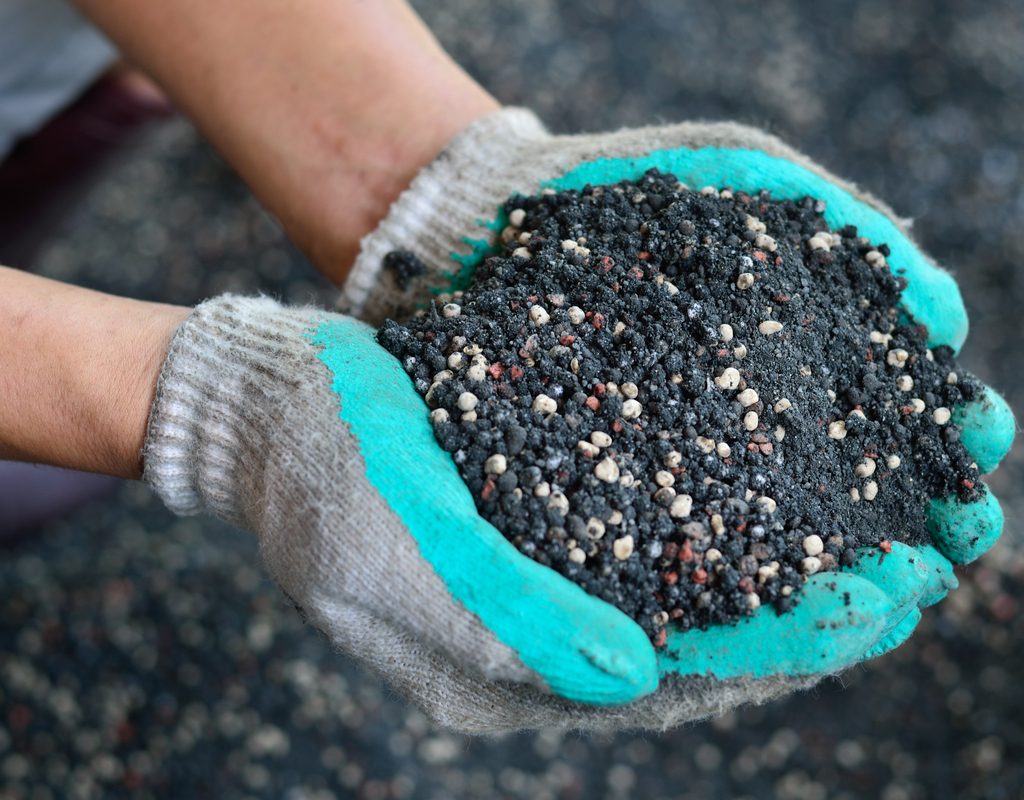
So what are the different winterizing fertilizers? Most fertilizers for fall will be rich in nitrogen, which helps plants store energy in their roots. If you’ve got a warm-season lawn, make sure to look for fertilizers with potassium, as nitrogen might stress this kind of grass out too much. Pay attention to the NPK ratio, aka the nitrogen, phosphorus, and potassium percentage values — your winter lawn fertilizer might not be that different from regular, less expensive fertilizers.
Slow-release fertilizer is best for early fall. When your grass is on the verge of dormancy during the brink of winter, a quick-release fertilizer, on the other hand, is preferable for winterizing. It’ll soak up into the soil fast so that your fertilizer won’t wash away during the winter. Want something organic? Organic fertilizers tend to break down more slowly, but you do have some good options. Packed with nitrogen and potassium, fish emulsion is a potential organic choice, though it has a noticeably pungent odor and should be used in moderation to prevent plant burn.
Tips for maintaining your lawn during the winter
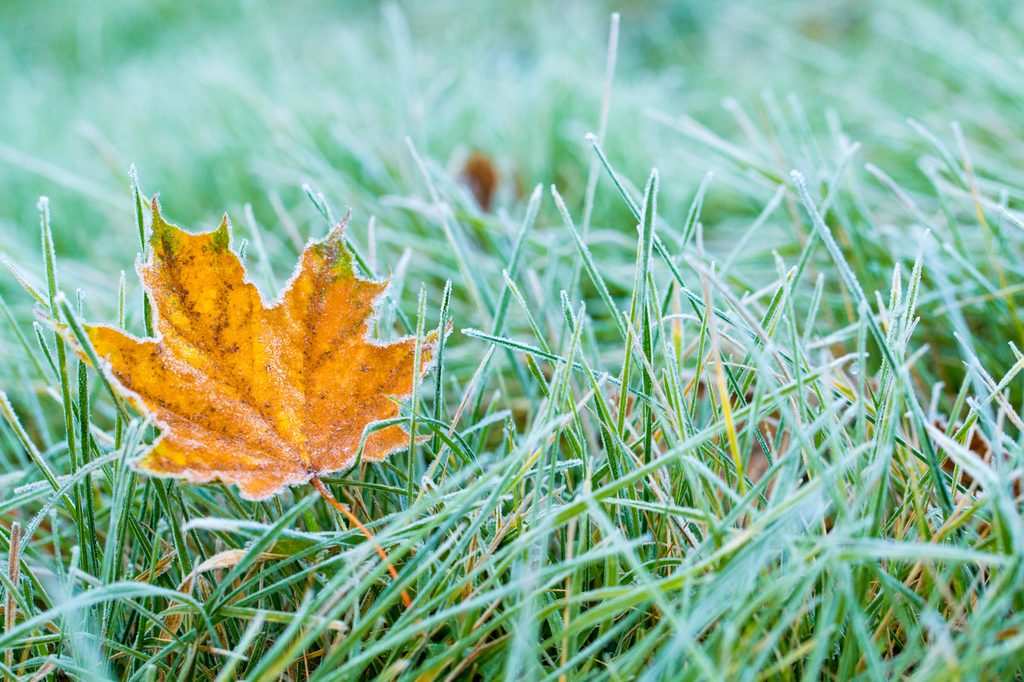
After you’ve mowed, over-seeded, and fertilized your lawn, what else can you do to ensure your lawn’s success during the growing season? Here are a few things to keep at the top of your mind.
- Keep foot traffic minimal, as walking too much on your grass can weaken it.
- Routinely clean up your lawn by picking up debris, removing fungus, and trimming brown tips. An untidy lawn can be prone to pests and diseases.
- Avoid applying lawn treatments until the growing season settles in.
- For dry winters, water your lawn thoroughly on days that are above 40 degrees Fahrenheit.
Winterizing your lawn may initially sound convoluted, but it’s quite simple. Long story short, you want to fertilize your turf right before winter so that it can store energy to push out beautiful growth during the spring. With an understanding of how to fertilize and which fertilizer you should use, you’ll be on your way to preparing a lush green lawn for spring.