With their elegant winged leaves, varied textures, and contrasting coloration, it’s really no wonder that alocasias have become so popular. Native to subtropical Asia and Australia, this stunning genus contains some of the most breathtaking houseplants out there. While you may come across a rare or exotic alocasia here or there, they’re relatively popular and easy to find these days.
If you’ve ever taken care of an alocasia plant, you may know that it’s not necessarily the easiest plant to care for. However, their beauty makes them worth the effort. If you’re new to alocasia plant care and aren’t sure where to start, then we have you covered. Here are our favorite types of alocasia plants that you should add to your houseplant collection.
Alocasia black velvet (Alocasia reginula)
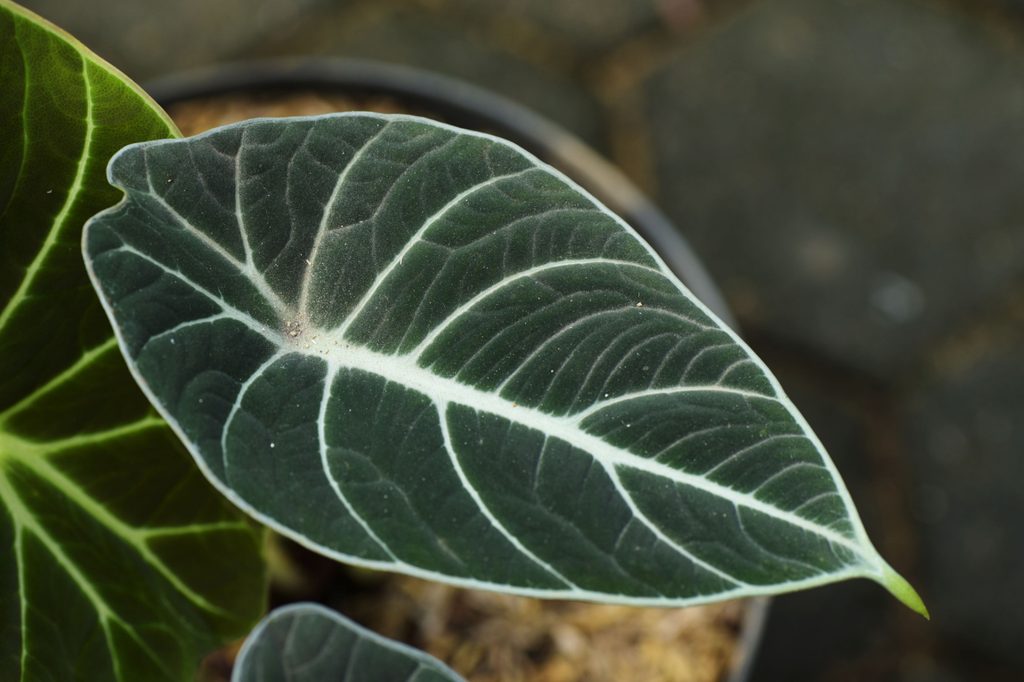
One of the most striking alocasia plants is the alocasia black velvet, which is also known as the miniature jewel alocasia. It features thick black leaves with light green veins and stalks. As its name suggests, it has velvety leaves that feel soft to the touch.
If you’re looking for a small plant, this variety stays relatively compact, usually growing no bigger than 1.5 feet tall. It does best in a humid environment (about a 50% reading on a hygrometer) with bright indirect light at room temperature. It prefers a loose, well-draining potting mix and can tolerate drought a bit better than many other alocasias — check to see if the top 1 to 2 inches is dry before watering.
Alocasia grey dragon (Alocasia maharani)
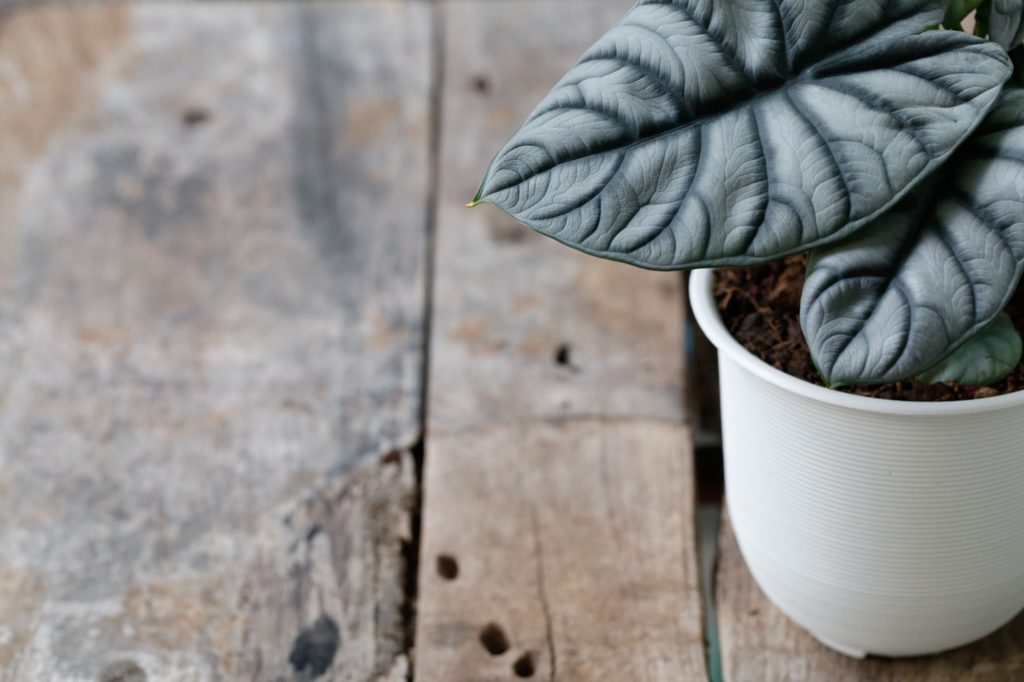
The grey dragon really looks like a dragon, flaunting a thick, leathery leaf texture with a metallic sheen over its slate gray hue. But unlike the mighty mythical creature, this compact alocasia seldom reaches above 14 inches when grown indoors.
While it loves light, it does best with indirect light, as direct light can burn its foliage. It also loves warm temperatures and hates drafts, so keep it away from cool windows and drying radiators. This plant needs at least 60% humidity, so keep a humidifier handy or use a pebble tray with water. To tame this tricky plant, keep in mind that it likes a chunky, well-draining soil mix — root rot can be a problem with this particular variety.
Alocasia Polly (Alocasia amazonica)
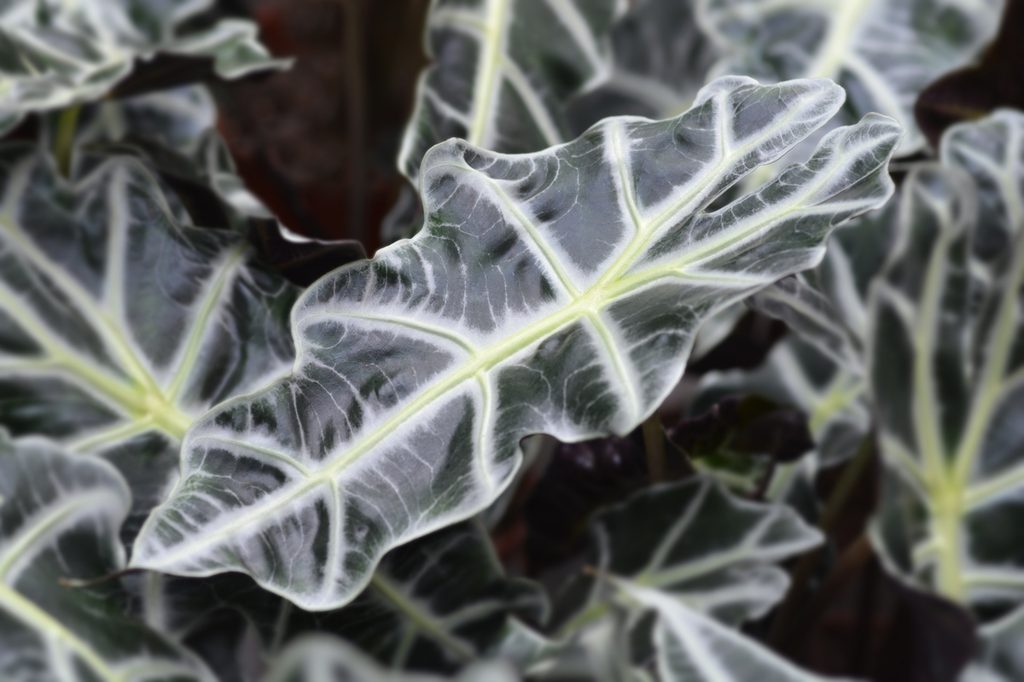
One of the most common alocasia plants is the Alocasia amazonica or Polly. This gorgeous plant features a glossy dark green color with thick white veins on lobed arrowhead leaves with dark purple undersides. Though ubiquitous, this is by no means an easy-care plant.
Low humidity causes crisp edges and attracts spider mites. It needs at least 50% humidity and does best in evenly moist soil. Because of its sensitive leaves, don’t allow it to get bright indirect light. With proper care, this showstopper of a plant can reach 2 feet in height and spread.
Alocasia frydek
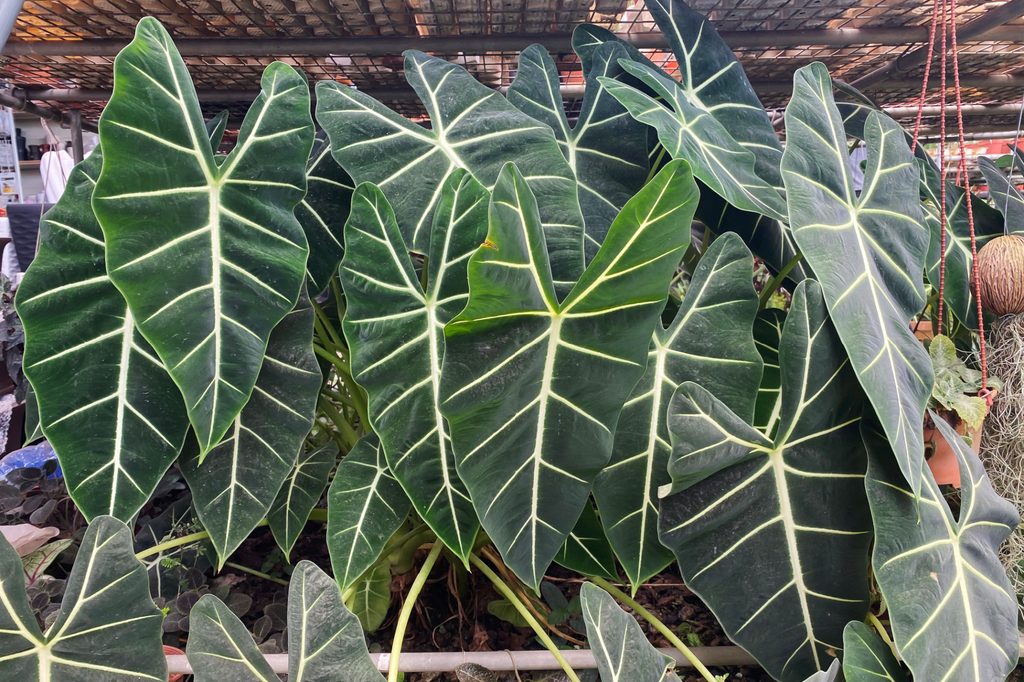
The Alocasia frydek is another challenging but rewarding alocasia. It features arrow-shaped, mid-tone green leaves with stark white veins. It appreciates bright indirect light (such as northern or eastern window exposure), as its sensitive leaves tend to burn easily. Be diligent about watering, giving it a thorough drink whenever the top 1 or 2 inches feel dry to the touch — don’t let it dry out. It’s more forgiving of low humidity levels, but it’ll truly thrive if you give it ample humidity with a humidifier or pebbles on water. Regarding temperature, the sweet spot for this finicky plant is between 65 and 85 degrees Fahrenheit.
Alocasia stingray
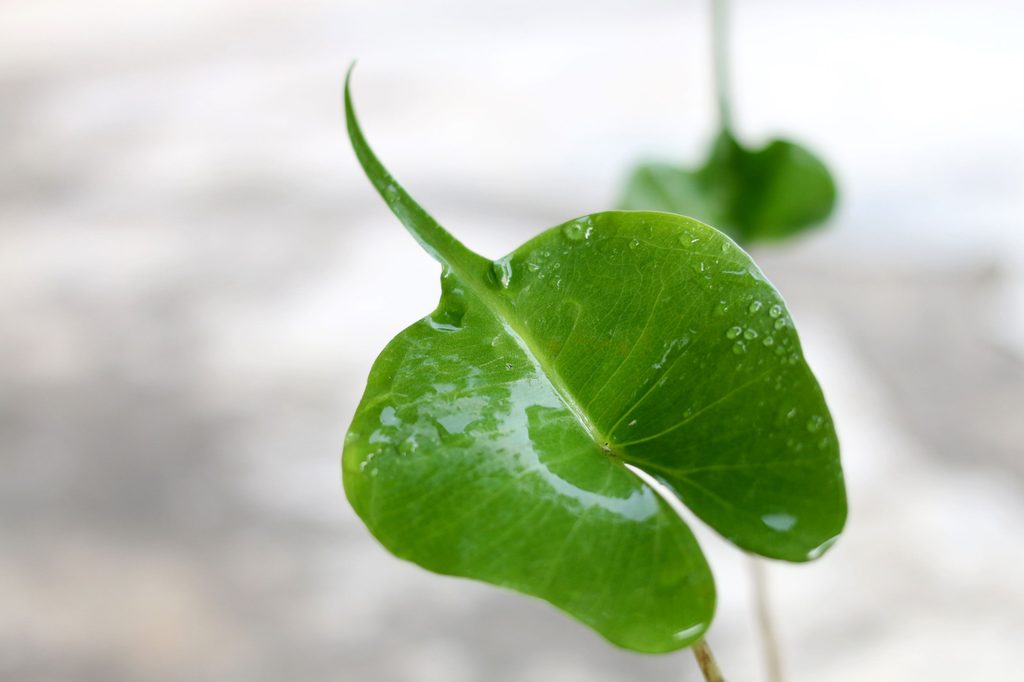
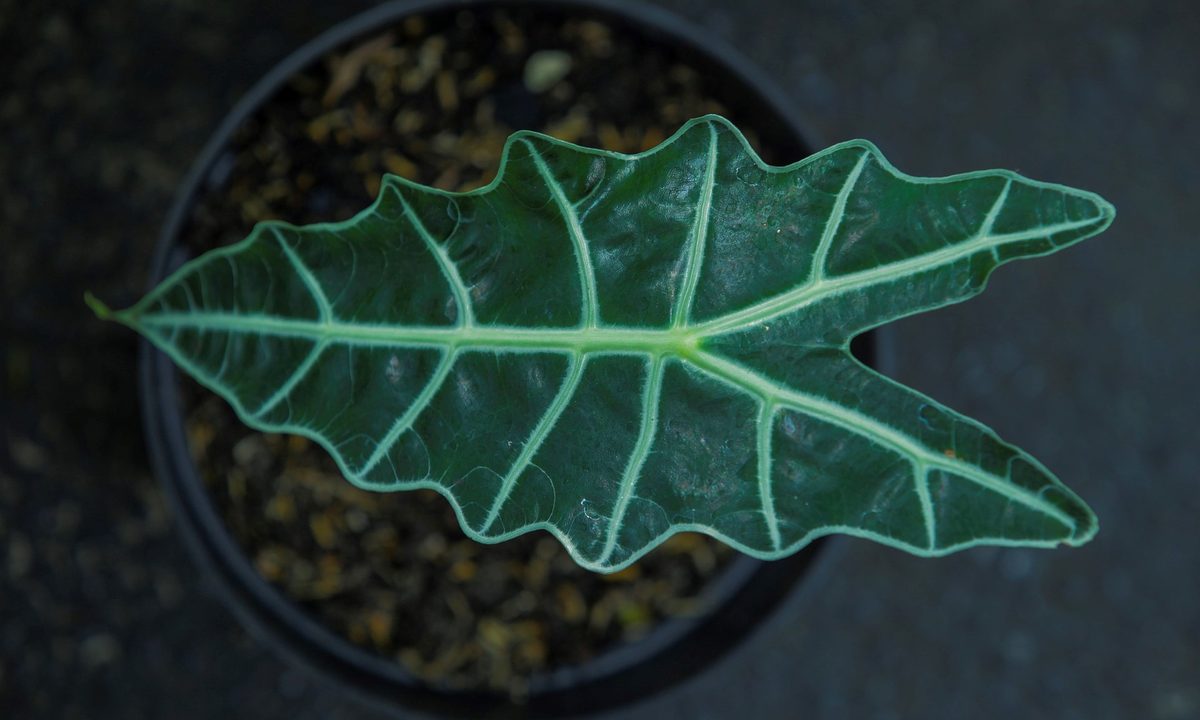
In contrast with the typical heart-shaped or arrow-shaped alocasia leaf, the stingray plant’s foliage really shares the same silhouette as its namesake. The leaves tend to be smaller than those of typical alocasias, but the plant itself can grow up to 4 feet tall indoors. Come fall or winter, this plant may lose its leaves, but don’t worry if the base of the stem still feels fleshy — you’ll have new leaves in the growing season. Again, give this plant warmth, indirect bright light and generous humidity.
Alocasia Hilo Beauty
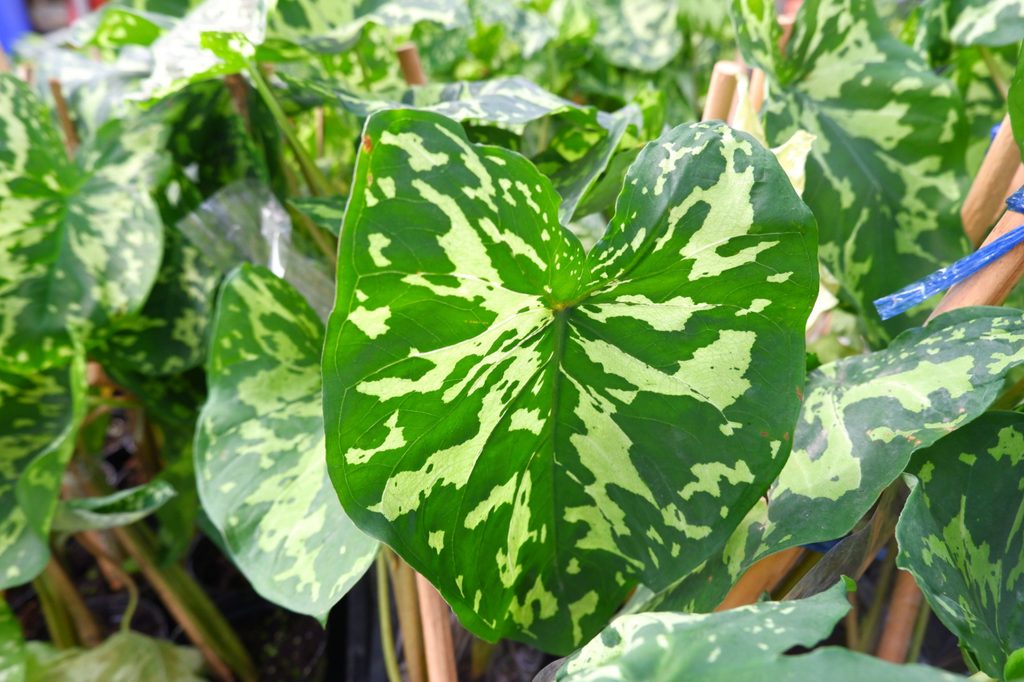
If you’re on the lookout for an alocasia that’s different from the green foliage with white vein patterning, consider the Alocasia Hilo Beauty. It features heart-shaped foliage with green leaves, mottled patterning, and subtly blue stems. This plant actually does well on shaded patios, capable of growing prolifically in zones 9 through 11. Use well-draining soil that you keep evenly moist and fertilize monthly during the warm months. In cool weather, protect the Hilo Beauty from frost.
Alocasia zebrina
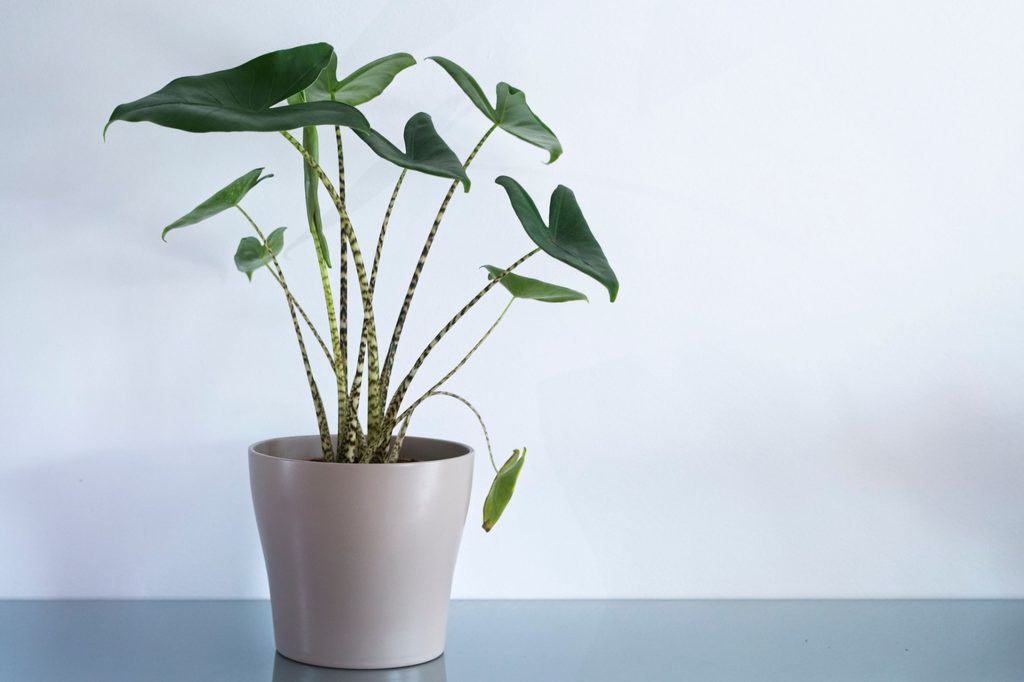
If you’re looking for a standout alocasia, consider the zebrina — it is, bear in mind, still a bit tricky to track down in a basic nursery. It features thin, arrow-shaped leaves, but its standout trait is really the zebra stripes on its stems. This plant grows up to 3 feet tall indoors, but it really thrives best outdoors.
While you don’t want to leave this directly next to a south-facing window, it needs bright indirect light or would otherwise start drooping its stems. Keep the soil consistently moist and apply a balanced fertilizer monthly during the growing season. If you’re worried about humidity, the good news is that this plant can tolerate slightly dry conditions.
Tiny dancer alocasia
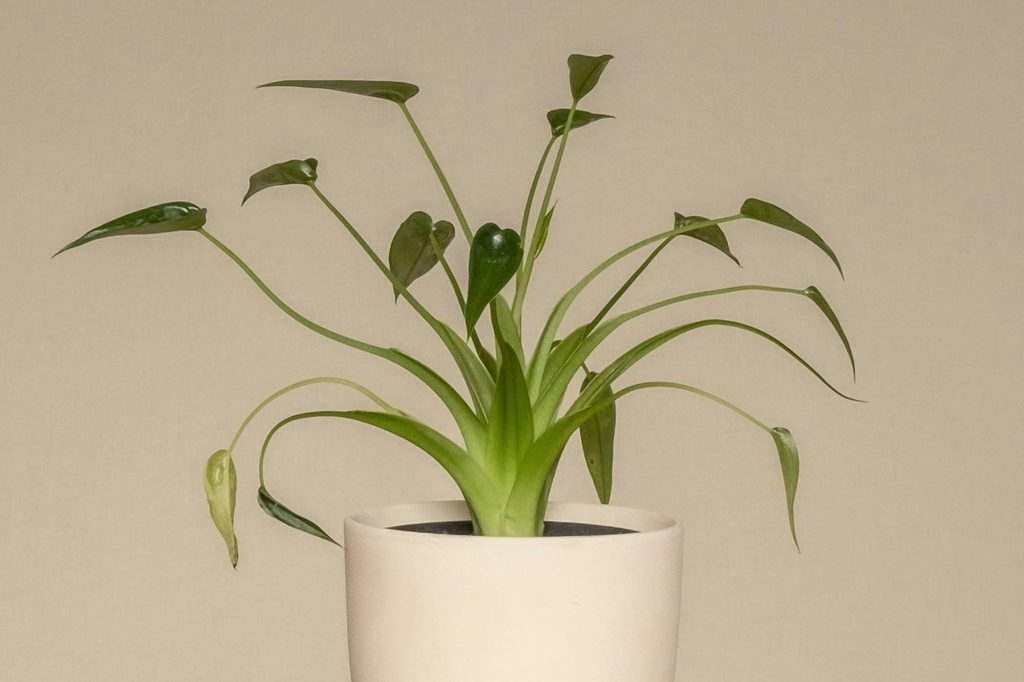
Tiny dancer alocasia is an excellent choice for small spaces. With graceful, curving stems and tiny leaves, this alocasia can add a simple elegance to any room. It is a hybrid between Alocasia brisbanensis (also called spoon lily) and Alocasia odora (giant elephant ear), and despite the larger size of both its parent plants, tiny dancer alocasias only grow to a little over a foot tall. It stands out amongst other alocasias, both due to its small size and its unique growth habit. With its many stems, tiny leaves, and willowy shape, this alocasia is sure to stun your guests.
Now that you know all about the common types of alocasia out there, don’t be intimidated the next time you see one! With ample humidity, warm conditions, bright indirect light, and careful watering, you could have a healthy alocasia in no time. And don’t worry if the leaves drop before putting out new ones — that’s just how it grows in most cases.