It’s not enough to walk out your door and smell the blossoms and greenery growing in your garden beds. After all, why should the beautiful smells end as soon as you go back inside? Spoiler alert: They don’t! There are plenty of houseplants you can grow to make your home look, feel, and smell as lovely as a garden. These plants can also be kept in small spaces or homes that don’t have a lot of outdoor space, which means anyone can feel like they’re standing in a garden –– even when they’re sitting in a living room.
Tea rose begonia
Tea rose begonias are unique in that they’re one of a handful of begonia varieties that actually have a scent. This variety has beautiful green leaves with pink flowers. To get them to bloom, though, you’ll have to be sure to give your tea rose begonia the best care possible. Tea rose begonias love dappled lighting, something akin to sunlight that comes through the trees all day. It never wants to be fully shaded, so your best bet for an indoor tea rose begonia is to put it in a location where it will receive bright indirect lighting.
Watering and fertilizing regularly throughout the spring and summer seasons will also help promote growth and blooming. Tea rose begonias love moist, well-draining soil, so make sure the pot you choose has a good drainage hole and a tray to catch any excess water. After all, this plant hates soggy roots (as do most) and too much water makes the plant susceptible to root rot and other diseases.
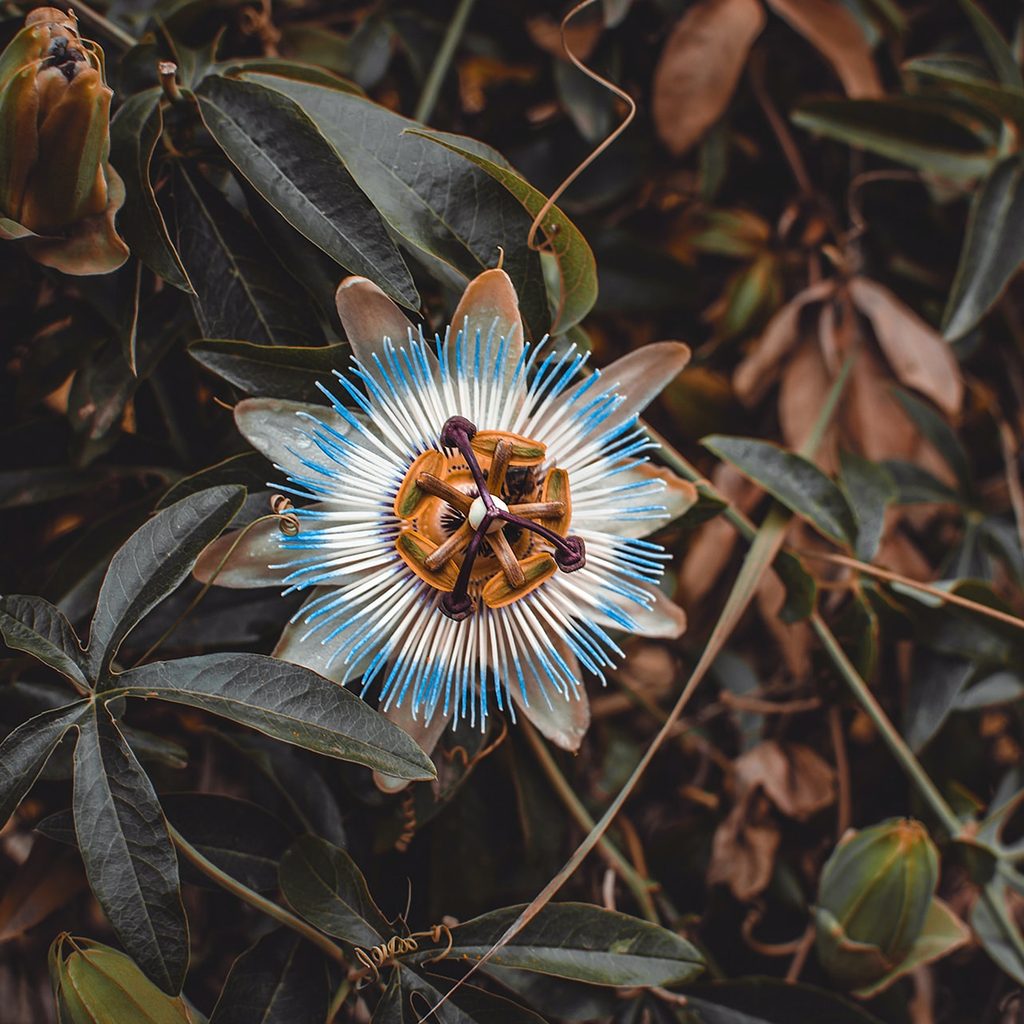
Passion flower
An indoor-grown passion flower, like the tea rose begonia and most other plants, will bloom so long as it’s kept happy, healthy, and in the right conditions. Passion flowers love full sun to partial shade, so you’ll be all right going with a location that has bright, indirect lighting. (Avoid direct lighting, as this can cause damage and sunburn to the leaves.) They love warm weather the most, so if you have drafty windows in the colder months, you may find yourself needing to relocate this plant within your home.
As far as watering and soil, passion flowers prefer moist but well-draining mix. They’ll love a good watering right after they’ve been potted, but afterwards you should really only water your passion flower once or twice a week. Of course, this can vary depending on the size of your plant and the conditions of its environment. The best thing to keep in mind is that they don’t tolerate drought. When the top inch of soil is dry, give it a little drink and you should be good to go.
Angel trumpet
Like most outdoor plants being grown indoors and in a container, the angel trumpet will have no issue thriving and living its best life so long as proper growing conditions are met. This is a plant, though, that is highly susceptible to pests, so make sure you inspect and quarantine each new plant you bring indoors before putting them with this one (or any of your others)!
Angel trumpets love being near bright, sunny windows. Sunrooms are perfect, as this plant needs plenty of light to thrive. Windows with bright, indirect lighting will also do if need be, but remember: proper lighting is crucial for this plant to blossom! If your angel trumpet doesn’t bloom one year, it may be that it didn’t receive enough sunlight to make it happen. This plant also enjoys a fast-draining potting mix and will likely need to be watered every few days to keep the soil nice and moist. It doesn’t like to have wet feet, though, so be wary of overwatering and make sure your pot has good drainage.
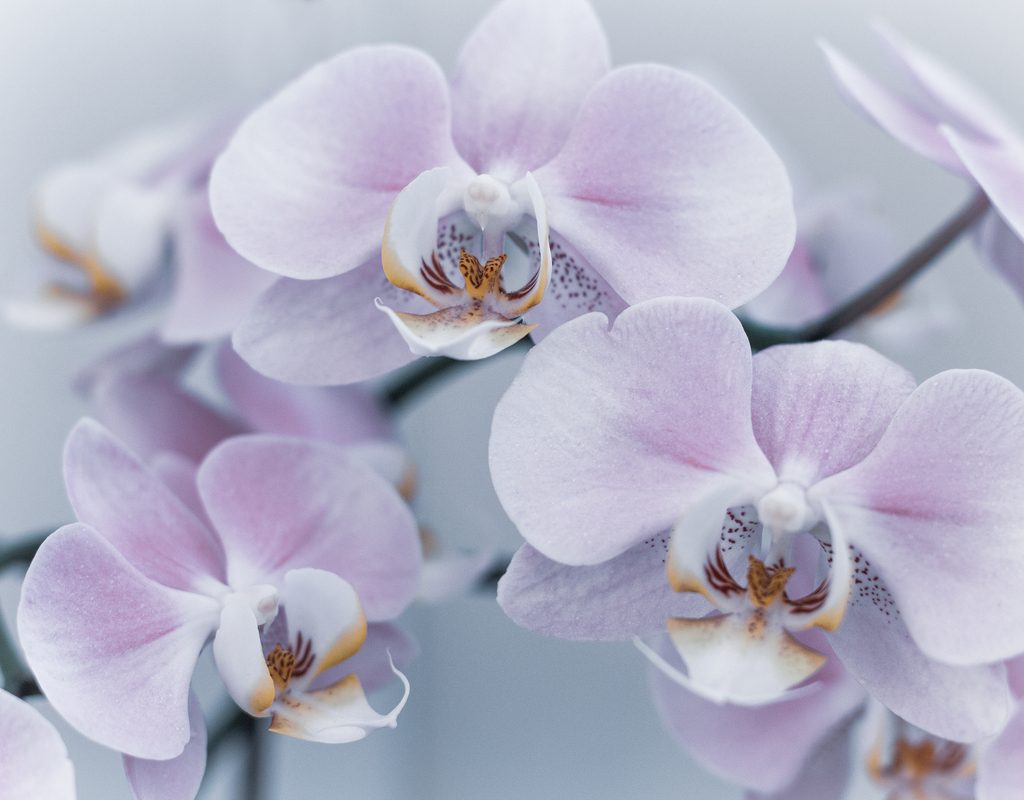
Orchids
Although many people say that orchids are a difficult-to-grow indoor plant, that’s not necessarily the case. When an orchid is happy, receiving all the right amounts of water and light and living in the best environment, it’ll reward you with gorgeous blooms and new leaves. Light conditions are probably what indoor gardeners struggle with the most, as it can take a bit of trial-and-error to find the best location for an orchid. The preferred amount of light heavily depends on the variety: some like low light, some medium light, and some lots of light. When purchasing an orchid, do a bit of research on the variety you’re buying to help clue you in on where it would be happiest in your home.
Orchids will also do better if they aren’t planted in a standard potting soil. There are mixes made specifically for orchids, usually containing a lot of bark that allows air and water to move through easily. When potting, keep in mind that they like being root bound. You should use a pot that’s small as opposed to one that’s too big. Leaving your orchid “room to grow” may have adverse effects on blooming. It’s also important to water the orchid water once a week, letting the pot dry out completely before watering again.
With these houseplants and so many more, you can feel like you’re surrounded by a garden while in the comfort of your home. Not only do these plants offer beautiful aromas, they’ll also brighten up your space with greenery, giving you something to tend to, feel proud of, and share with the ones you love.