When you first foray into the world of houseplants, you might be tempted to pick out dozens of small indoor plants to fill out your collection. But sometimes less is more — having one statement floor plant can make a major impact when it comes to home styling. This year’s large houseplant trend is a stark departure from the maximalist indoor jungle aesthetic of the early pandemic days. Now, it’s all about a measured approach to collecting houseplants and integrating them into your space.
While choosing a big houseplant seems straightforward, it can be a daunting undertaking if you’re a novice to indoor greenery. If you’re feeling a bit intimidated, read this guide to learn how to choose the best large indoor plants for your home.
What counts as a large indoor plant, and why should you get one?
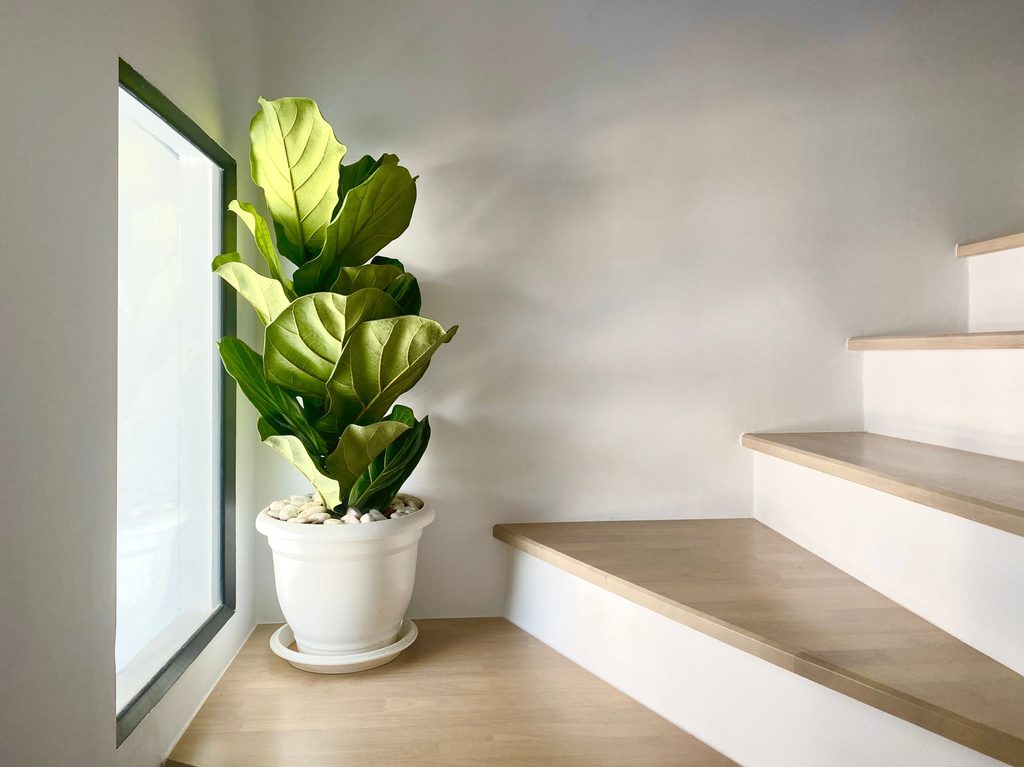
Obviously, most large indoor plants will not be 20-foot-tall cherry trees. Generally speaking, a big indoor plant will be one that’s around 2 to 6 feet tall. You’ll usually find big indoor plants inside of pots that are 8 inches or bigger in diameter. Though you could technically consider trailing or climbing plants big houseplants, most people are talking about upright indoor trees when they refer to big houseplants.
Large houseplants are appealing for many reasons, but we’ll tackle the two biggest ones. First of all, they can help you fill out a space instantaneously. You won’t need to spend time picking out a bunch of small plants or styling plant stands to give your greenery more vertical height. Moreover, big plants generally require less upkeep since most of them come with well-established roots and leaves. Small plants tend to be more tender and may take longer to acclimate to a new home. Plus, of course, it’s easier to take care of one big plant than dozens of tiny ones.
How to incorporate large indoor plants into your home
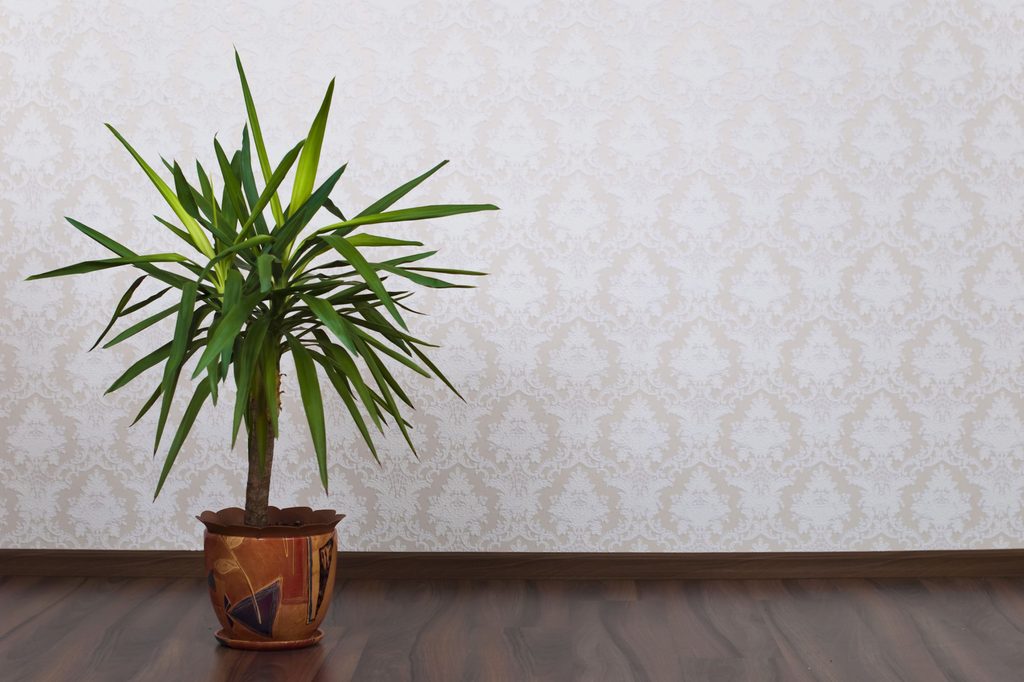
With enough light, food, and care, most houseplants can reach great heights. Still, some are more commonly found as tall indoor trees than others. Here are a few of the most popular big plants to consider for your home:
- Fiddle-leaf figs
- Monsteras
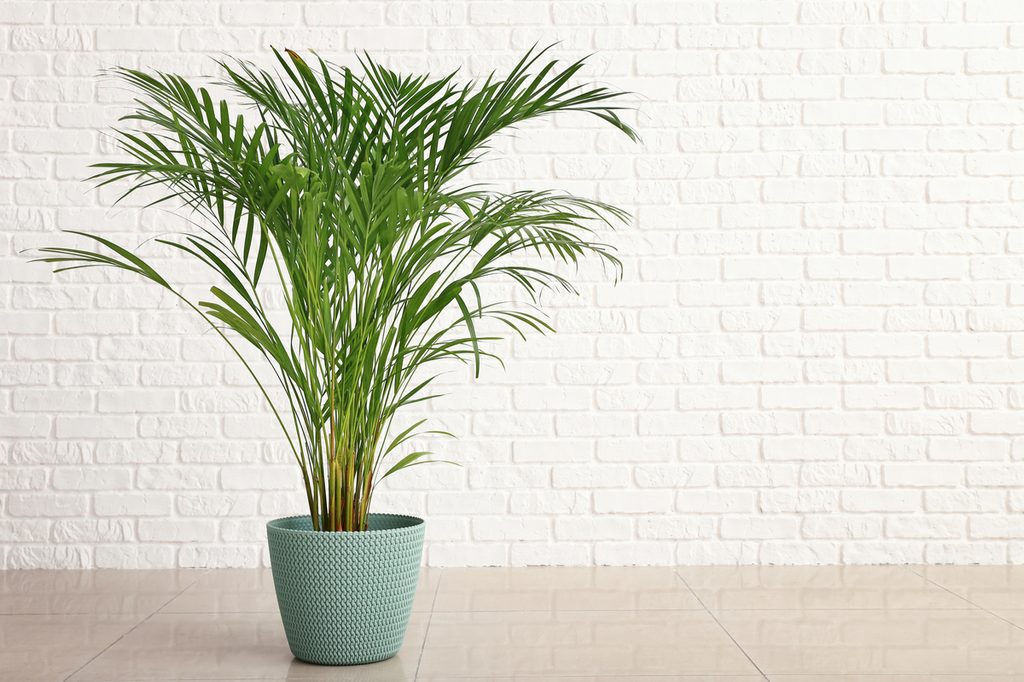
- Areca palms
- Dracaenas
- Banana trees
- Rubber trees
- Yucca canes
- Snake plants
- Bird of Paradise plants
Choosing a big indoor plant
When you’re choosing a big indoor plant for your interior space, consider what types of textures you enjoy looking at. Do you like huge ovate leaves or thin fronds? You also want to make sure that your indoor environment is a good fit for whatever plant you’re interested in. Moreover, consider whether you have the time and energy to care for a plant — a basic snake plant will be easier to maintain than a finicky fiddle-leaf fig.
Where can you buy big plants?
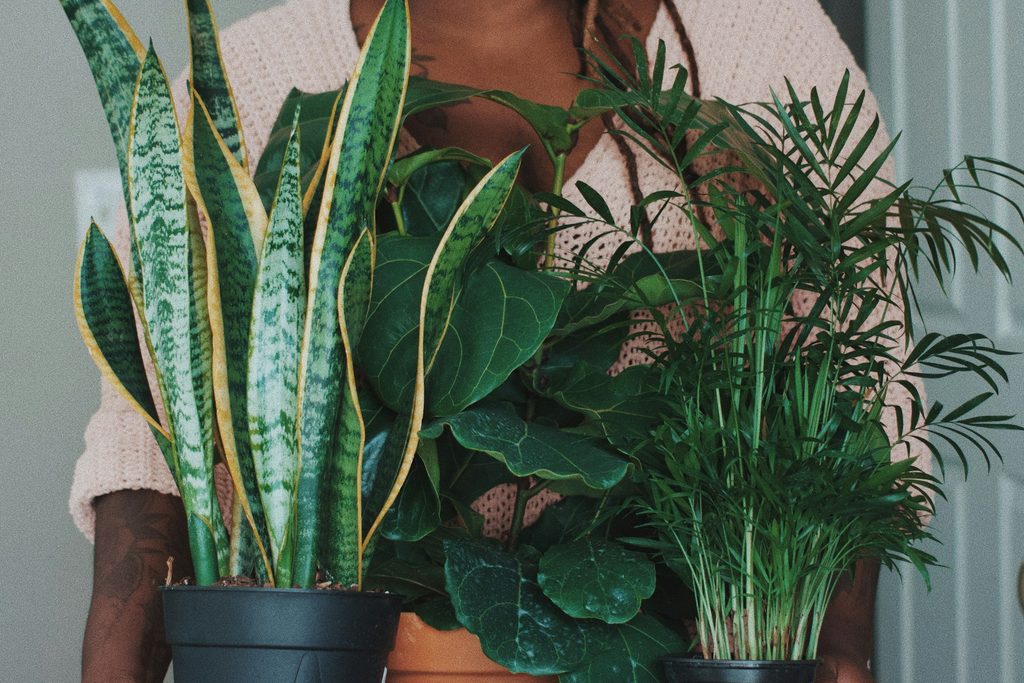
You can buy big plants virtually anywhere plants are sold. The possibilities are endless online, but you won’t have to pay steep shipping costs if you check out stores in your area. You can’t go wrong with scouting for big plants at your local nursery for healthy foliage — the best part is that your local nursery will probably have big houseplants year-round, while other stores may only bring them in seasonally.
That said, do also check big-box retailers such as The Home Depot, Costco, Lowe’s, and Walmart, especially during the spring and summer. While grocery stores don’t usually have garden centers, you might get lucky with a big houseplant or two in the floral section of your neighborhood supermarket.
After doing your research and purchasing a big plant for your space, all you have to do is find a well-lit spot to situate it. With the occasional fertilizing and deep watering session, you should be able to enjoy gorgeous greenery in your space for years to come.