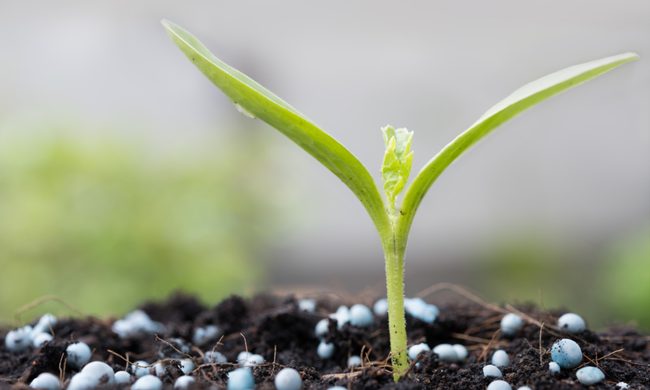
The temperatures can rise pretty high in zone 9 during the summer. And if your yard is lacking a bit of shade, you might want to consider planting some fast-growing shade trees that will bring elegance, height, and beauty to your landscape. Here we’ll be talking about our favorite shade trees that grow quickly to provide your yard with a large tree without waiting generations and generations for it to reach impressive heights.
American sycamore
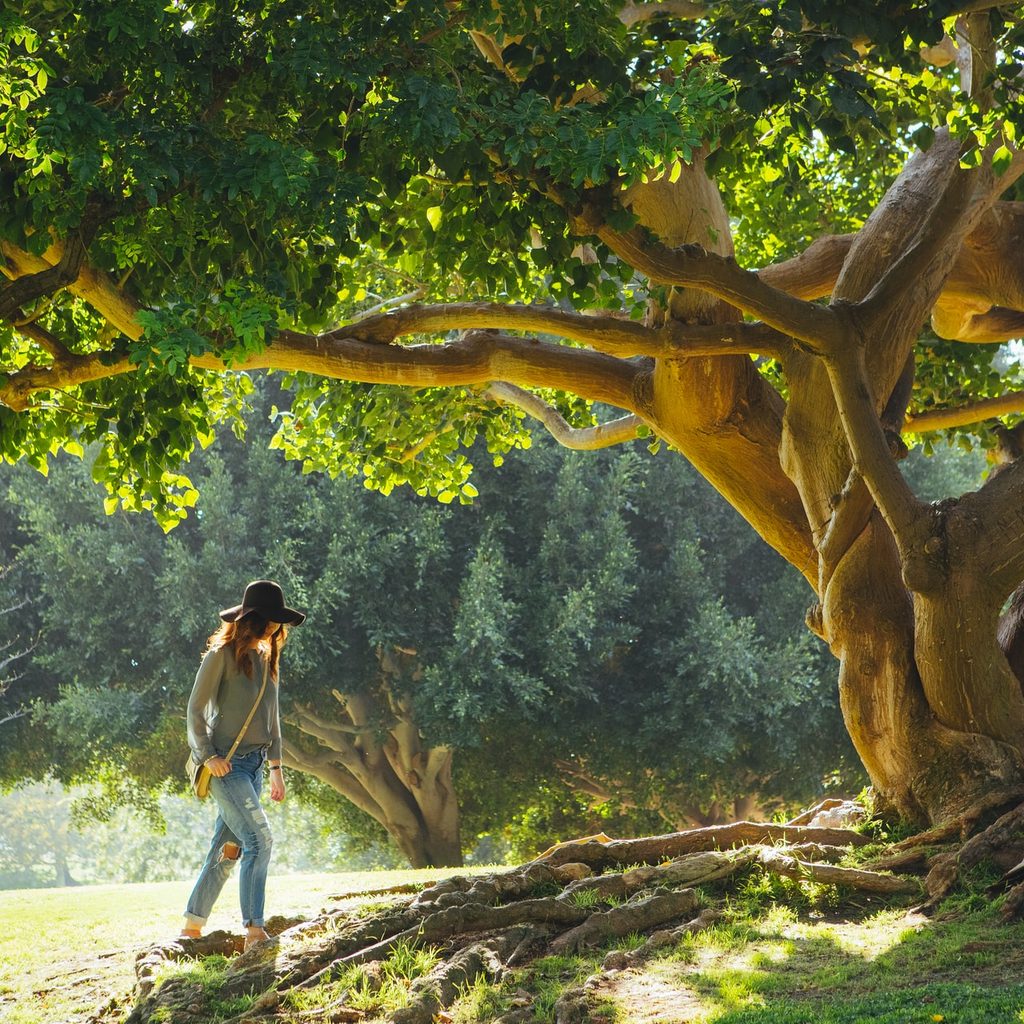
The American sycamore is an iconic tree that is a must-have in almost any garden. The most remarkable feature of this tree is its shedding bark. Bark peels and flakes off this tree over time and gives the tree an almost camouflaged look with a mixture of gray and brown. These are also the largest growing deciduous trees in the United States and grow up to 100 feet. When they achieve these staggering heights, their leaves become huge and will litter your yard with a fantastic amount of very crispy leaves in the fall.
Caring for these trees is easy and won’t add much to your gardening to-do list. The tree likes to be fertilized every other year, and the younger trees will need to be deeply watered occasionally to keep the soil around it from drying out. Since these are fast-growing trees, they tend to quickly use up the resources around them.
Silver maple
If you’re looking for a tree that’s going to grow fast, reach high into the sky, and last for generations, then you should look no further than the silver maple. This tree grows up to 100 feet tall and lives for more than 130 years. They are easy to establish and are super simple to care for. These trees have big bushy canopies and feature detailed leaves and rough bark.
When planting a silver maple, look for a place with full sun or partial shade and well-draining soil. Since they grow fast, you’ll want to be sure they have access to plenty of water and nutrients to maybe amend your soil with some organic compost when planting and be sure the soil around the young plant does not dry out for too long.
Weeping willow
The weeping willow is known for its graceful and elegant branches that reach the ground in long wispy branches. You’ve likely seen these near ponds, lakes, or rivers, and that’s because they are moisture-loving plants. So if you cannot provide the weeping willow with enough water, be prepared to water it often or perhaps look for another option. Do not plant this tree near water lines, sewer pipes, pools, or septic systems. The roots of this tree are very aggressive, and they have been known to break their way in and cause severe damage. They also prefer to have a more open space to grow, so avoid planting them somewhere where they will have a hard time spreading their branches.
The weeping willow will want full sun or partial shade and access to lots of water. These trees won’t need to be fertilized since they are probably planted in rich, moist soil. However, if you think it might need some help, add organic compost to the hole when planting.
Crape myrtle
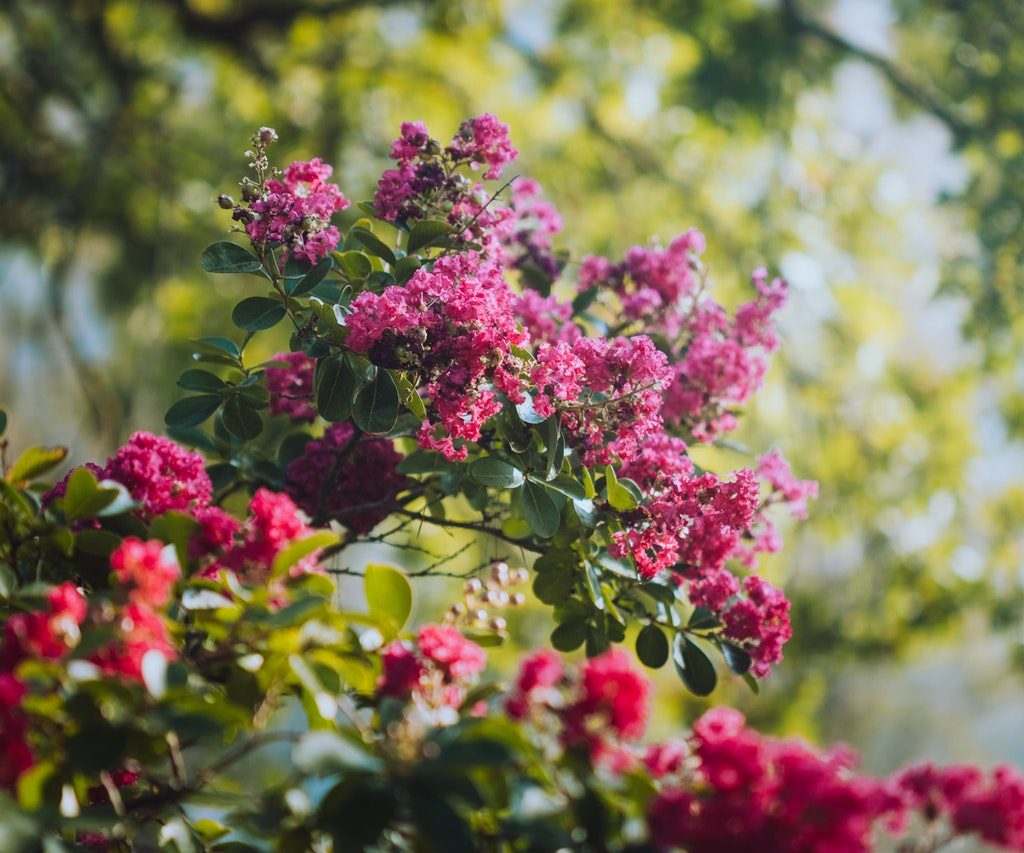
All the trees on this list are beautiful in their own way, but if you were looking for something with a bit more flair, you might love the crape myrtle! Perfect for zone 9, these trees produce lovely flowers that last a long time. Their blooms range from deep purple, lavender, ivory, bright white, pale pink, magenta, and red. So there’s a shade for everyone here! And just like our sycamore friend, we have another tree with shedding bark. So not only do you have the long-lasting flowering as a stunning feature, but you also have a pretty multi-colored bark aesthetic to enjoy when the flowers fade.
To care for this flowering beauty, find a spot with full sunlight and well-draining soil. Other than that, this stunning tree will grow quickly and without much effort on your part.
River birch
Let’s be honest, when trees lose their leaves, they lose the majority of their beauty, and we miss those stunning green leaves until spring rolls around once again. However, one tree is still pretty even without its leaves. The river birch features peeling cinnamon-colored bark that’s sure to catch your eye during those long winter months. Of course, these trees are also fast-growing and provide lots of shade during the summer. You’ll also enjoy the iconic birch leaves in the summer and fall!
For a happy birch tree, provide it with a spot that has full sun (or morning shade and afternoon sun), but you don’t need to worry too much about this tree’s soil conditions. These are hardy trees that will grow well in almost any soil condition.
From tall, mighty sycamores to elegant willows, there’s a tree on here for everyone. Depending on what conditions you have to offer on your property and what aesthetic you’re going for, you’ll have to weed through which one might be best for you.