
  1. Home
  2. Inspiration
  3. Gardening
  4. Evergreens

How to propagate blackberries and raspberries

Who doesn’t love a good raspberry? They’re sweet with just the right amount of tart. They make good cakes, pies, jams, ice cream, and cobbler. Most of the time, though, we think about raspberries as things that we can’t grow ourselves. Either you find them growing wild by a stream or in a grocery store. You absolutely can grow them yourself, though! Just like with blackberries, these simple tips for propagating raspberries will help you enjoy the taste of berries in the comfort of your own yard.

Can you start raspberries from cuttings?

Raspberries can be grown from cuttings from either the stem or the root. Raspberries and blackberries are related and can actually propagate in some of the same ways. All raspberries can be propagated by cuttings, and black and purple varieties of raspberry can be cloned by tip layering.

Recommended Videos

“Tip layering” means the tip of a stem is pushed a few inches into the soil, covered, and watered. The stem’s sharp bend will adjust the plant’s energy toward rooting. Through this process, the propagated plants will remain connected to their parent plants. The following spring, this stem will divorce from the parent plant and start to create its own.

While cuttings are simple to take and plant, there is one common problem. Raspberries are susceptible to several diseases, most notably mosaic, a disease spread from plant to plant by aphids. The impact of mosaic on raspberries can vary wildly depending on the variety of raspberry. To be sure you’re getting a disease-free raspberry, don’t take cuttings from a bush that isn’t yours. Nurseries will often sell raspberry cuttings that are disease-free or even disease-resistant, so you may want to speak with your local nursery.

How do raspberries reproduce?
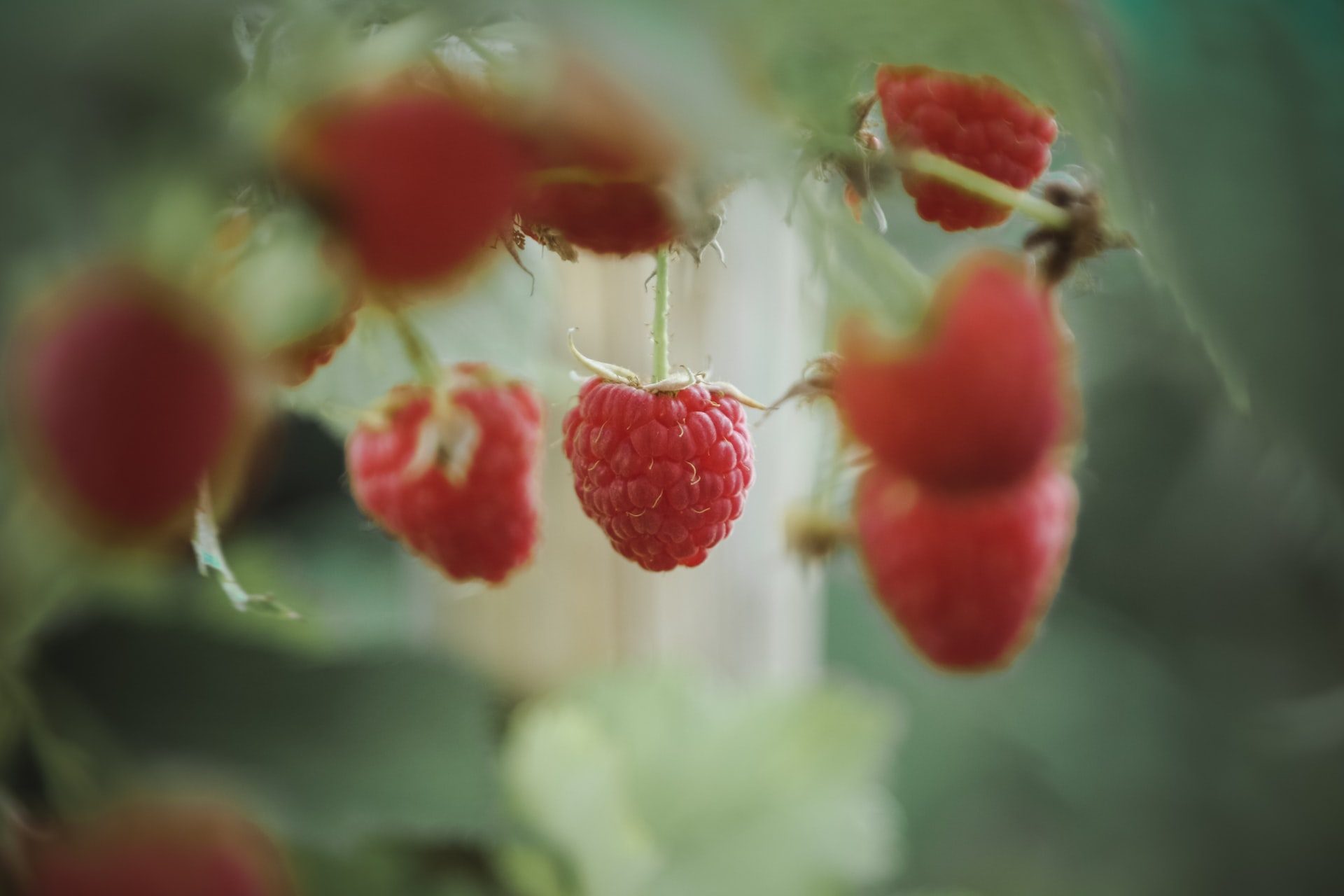
Raspberries on the vine

Raspberries reproduce differently depending on the variety. Many raspberries, red varieties included, reproduce using runners, underground. New canes sprout from these runners, so you may notice new raspberry bushes in unexpected areas.

Black raspberries, on the other hand, will occasionally produce runners, but they most often spread by tipping. Tipping is just like tip layering, except that nature does all the work. If you want to keep your black raspberries in place, keep them pruned and don’t let them lean over.

With any new planting, make sure it’s done in well-draining, fungus-free soil. You want to give your raspberries their best chance at survival, because having fresh raspberries sounds like a dream come true, and now that you know these guidelines, it can be a reality for you! Start propagating your plants to your heart’s content and have a berry good time.
Attract migratory birds to your yard with these simple tips
Here are some easy ways to invite birds into your outdoor space
Migrating bird flocks

In early spring, many bird species begin to migrate to their spring and summer homes. If you live along a migration path, you should start seeing birds that you normally wouldn’t find in your garden, making this an exciting time for birdwatchers! From the beautiful rufous hummingbird on the West Coast to the East Coast’s orioles, migratory birds are crossing over every part of the U.S. Just because they're flying through your neighborhood doesn't mean they'll visit you're garden, though!

If you want to see gorgeous migratory birds from the comfort of your own home or front porch, then we're here to help. This simple guide will teach you what you need to know about how to attract migratory birds to your yard.

Read more
What is no-dig gardening? Here’s how to do it
Start your own no-dig garden today
A heliotrope plant growing in a garden

There are as many ways to design a garden as there are gardeners, with more variations and methods than we can count. Many of these variations offer benefits, ranging from the soothing effects of zen gardens to the ecological benefits of native wildflower gardens. One beneficial gardening method you might want to try out is no-dig gardening. If you aren’t familiar with this technique, you might be confused by the name. How can you grow a garden without digging? We’ve put together this guide for just that reason, and the answers are simpler than you might imagine.
What is no-dig gardening and is it right for you?

No-dig gardening doesn’t mean you never dig at all -- you’ll still need to dig holes if you want to plant seedlings or mature plants. It just means that digging is limited to only the times when it's necessary. By limiting the amount of digging you do, your garden can more closely mirror the natural environment, leading to fewer weeds, better drainage, and healthier soil.

Read more
Save money and the planet with these food waste apps
Try these apps to help reduce food waste and save the environment
Fresh vegetables with a knife on a wooden surface

According to the USDA food waste FAQs, between 30 and 40% of the nation's food supply goes to waste. The food itself ends up in a landfill, and the time and energy needed to produce it goes to waste as well. Considering the amount of electricity involved in the production, you can understand how this can add up to create a massive impact on society and the environment. While these numbers may feel overwhelming, there are now apps aimed at reducing the amount of waste and redistributing it to those in need.

Whether you're hoping to reduce your own food waste by passing your excess on to your neighbors or looking to pick up a grocery store's surplus, these food waste apps will be a big help to you and the environment. 
The best food waste apps

Read more