When you live in zone 7, it can be hard to know when the best time to plant certain fruits, veggies, or flowers in your specific climate zone. So here we’ll be talking about when you should plant your potatoes in zone 7 and how to plant them. These starchy tubers are delicious and an excellent addition to any kitchen garden. So, here is everything you need to know about planting, growing, and harvesting potatoes.
Why you should grow potatoes in zone 7
There are almost endless ways to prepare and cook potatoes. They can be mashed, roasted, fried, shredded, baked, and souped. In addition to their versatility in the kitchen, they’re also a great source of antioxidants.
Seed potatoes vs. grocery potatoes
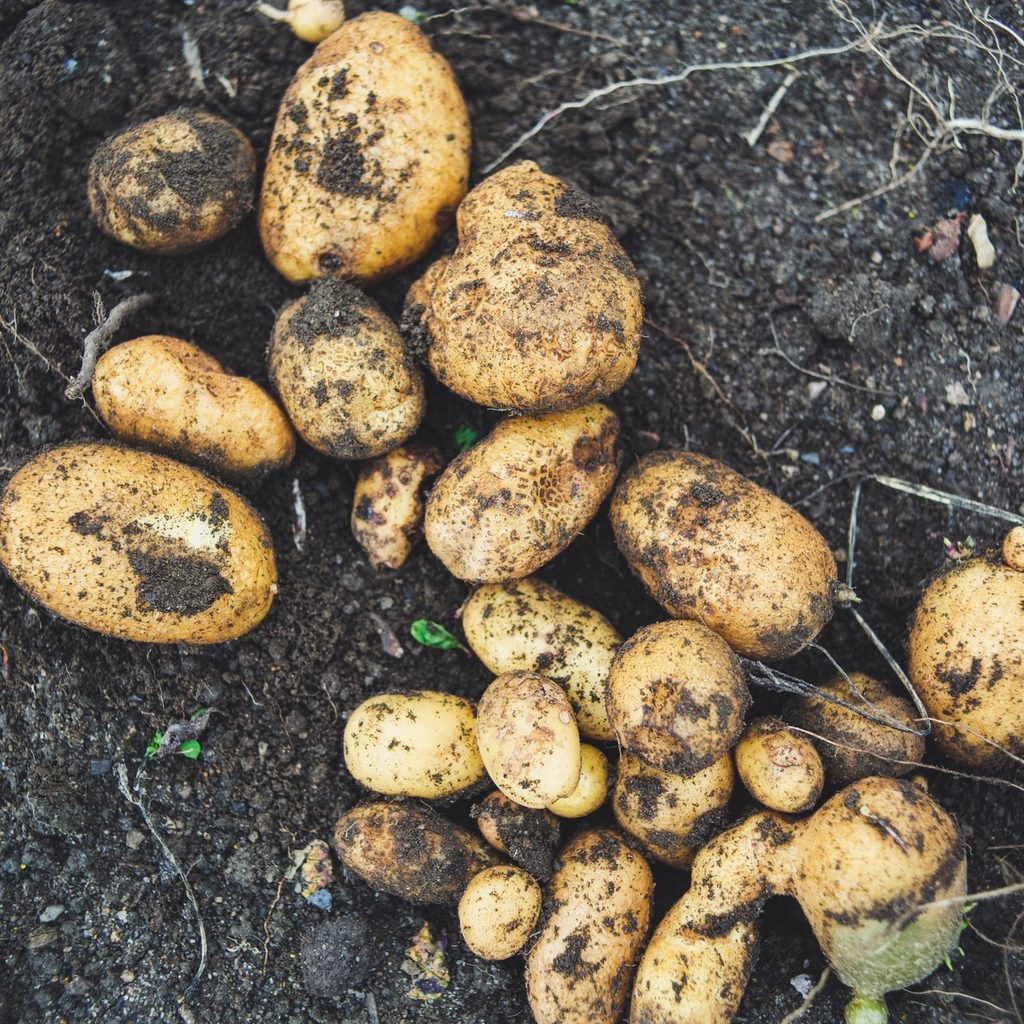
When talking about growing potatoes, there’s an essential difference between seed potatoes versus grocery potatoes. While it’s totally possible to propagate and grow the potatoes you buy from the grocery store, we still recommend you purchase seed potatoes. These have been cultivated specifically for growing and harvesting, and you’re likely to have better luck. You can purchase seed potatoes at garden centers or from an online seed store.
When to plant potatoes in zone 7
The best time to plant your potatoes when living in zone 7 is between March and April. However, it’s critical to wait to plant your potatoes until the risk of frost is over. This might vary from year to year, so be sure to pay close attention to the weather and maybe wait two weeks after the last frost date.
How to plant potatoes in zone 7
Once you have your seed potatoes and you’re a few days away from planting, you’ll want to take a disinfected knife and cut the larger potatoes into smaller sections. Each section will need at least two “eyes” to ensure a successful planting. An “eye” of a potato is where the potato has begun to sprout. You’ve probably cut these off potatoes that you cooked in your kitchen. Allow them to form a callous over the cut end before planting, or else you risk them rotting in the ground.
Depending on your situation, you can either grow potatoes in the ground or if you’re tight on space, you can easily grow them in containers. When looking for a location to plant your potatoes, be sure the soil is loose and well-draining. Potatoes do not like to grow in compact soil or places that are too wet or too dry. Plant them in rows that are at least three feet apart, and be sure to heavily mulch to protect them from unexpected frosts. It’s also essential that your potatoes get full sun for at least six hours of the day. Potatoes are heavy feeders, so you’ll want to ensure the soil is amended with organic compost. Place a seed potato every 12 to 14 inches and cover them with about 4 inches of soil.
When growing in a container, you’ll want to fill it with about 4 to 6 inches of soil. Place the potato’s eyes facing up. In a container about 20 inches wide, you can fit four potatoes. Now cover the potatoes with about 1 to 4 inches of soil.
How to care for potato plants in zone 7
No matter if you’re growing in a container or the ground, you’ll want to “hill” your potatoes. This is a process of covering the plants with more and more soil, and compost as your potato plants grow.
Water your potato plants before the soil dries out, or else you’ll risk the tubers drying out, and the tubers are what you’ll want to harvest for your homemade french fries!
Other than watering them and ensuring your potatoes are hilled as they grow, caring for potatoes is a pretty easy and simple task around the garden. Potatoes are a great addition to the garden for the amount of product you’ll get and the little care they need.
How to harvest potatoes in zone 7
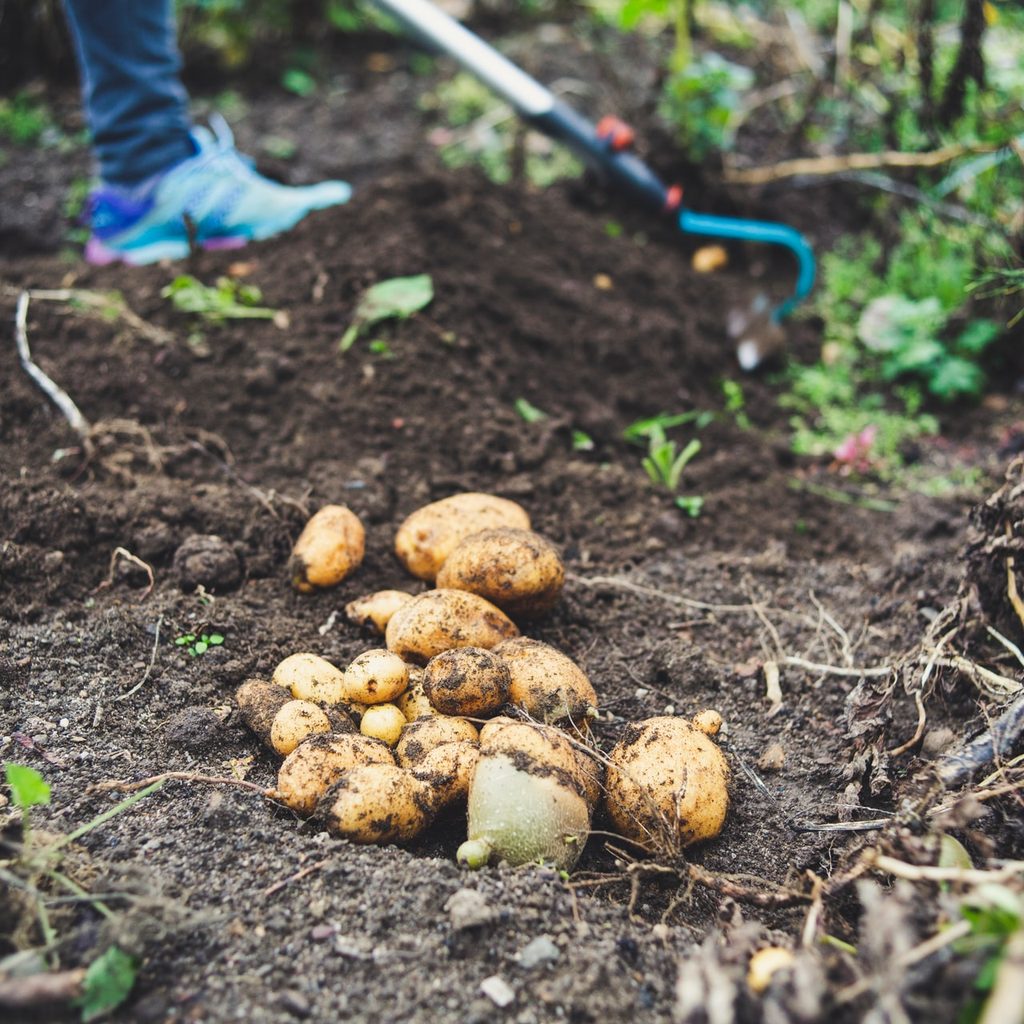
When the tops of the potato plants die back, you’ll want to leave the potatoes in the ground for a few more weeks to mature. The skins of the potatoes will then harden and they’ll store much better for a more extended time. You can either use a wide forked rake to dig up your potatoes or use your hands to lessen the risk of bruising or damaging your harvest.
No matter what variety of potato you decide to grow, you’ll have plenty to add to your meals, even with a single container. Grow just what you need for your family, or grow extra to share with friends! And now you can be sure you know how to grow potatoes in your climate zone.