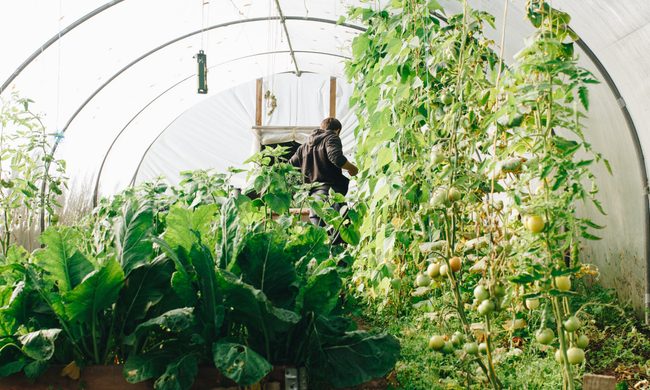
The type of greenhouse-irrigation system you get will depend on the size of your greenhouse. Some greenhouse-watering systems will work better with specific sizes, and some are made for smaller or larger spaces. If you’re working with a small greenhouse, you don’t need a complex overhead watering system to get to all your plants. However, on the other side, when you have a larger greenhouse filled to the brim with crops, you don’t want to have to have to go around and water each plant individually; you’d be there the whole day. When choosing an irrigation system for your greenhouse that will most likely yield success, you have to keep in mind your needs, the confines of your space, and the needs of your plants.
Mat irrigation system
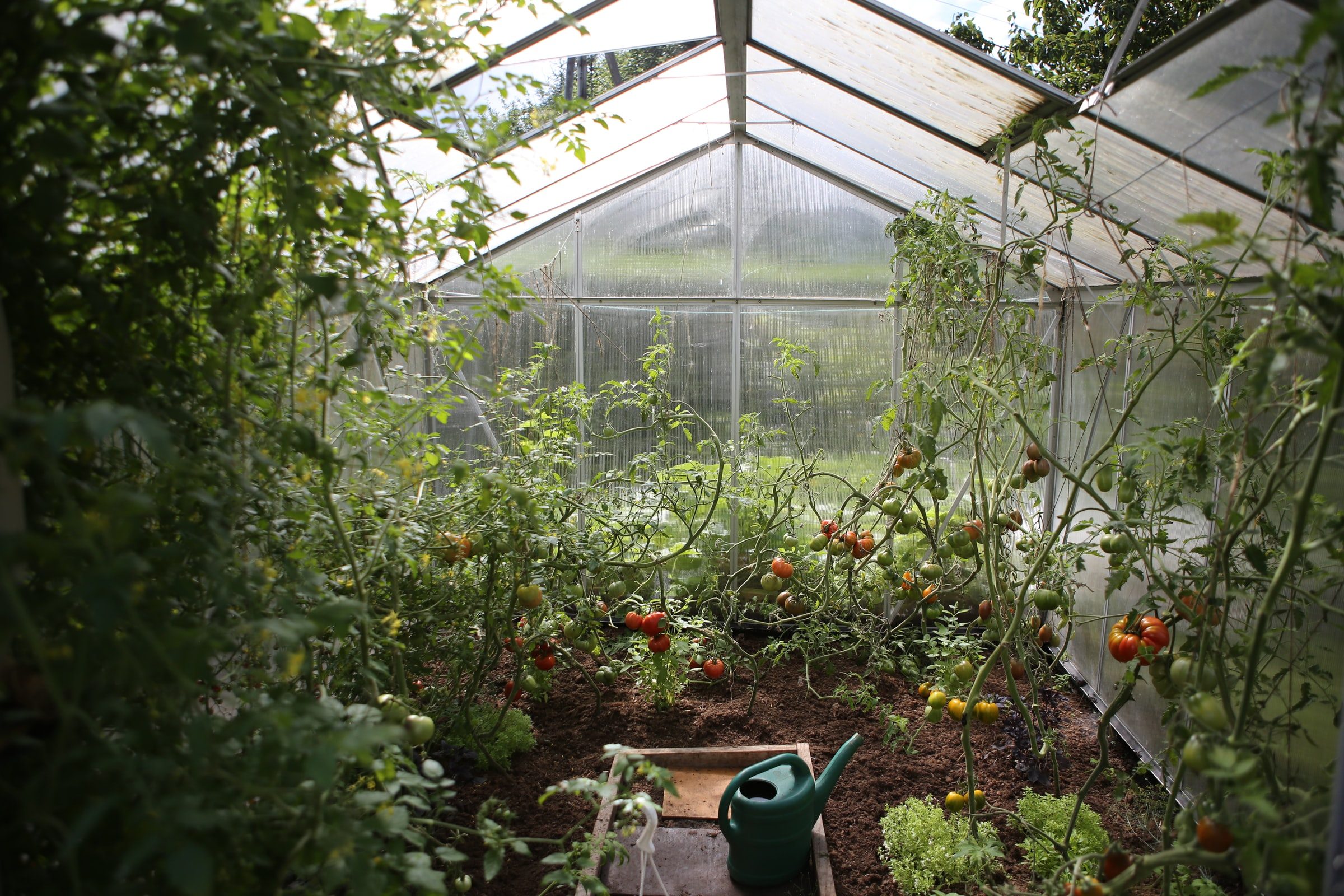
The mat irrigation system is often most successful for greenhouses on the smaller side, like windowed or lean-to options. These greenhouses often only have enough space for several plants and are ones used by those who aren’t as serious about greenhouse growing but still want a space to grow plants during off-seasons.
The mat irrigation system works well with small plant populations. This style relies on small, plastic mats that are designed to hold moisture. Your potted plants will rest on the mats, which are built specifically to wick the moisture from the mat into the soil via the drainage holes. For that reason, any greenhouse gardener using this method will need to be sure their pots have good drainage and their soil is able to absorb moisture well. When the soil of your plants have an even moisture level, the mats will hold off on supplying them with more moisture until they need it again.
There are different types of mats available, both in size and material. You can select the size that works best for your space and the amount of pots you have that need watering. No matter the composition of the mats, the way the work remains the same.
Drip tubing irrigation
Drip tubing irrigation is ideal for medium greenhouses, as they can be operated manually or set on an automatic timer. This process works by providing each pot with its own drip tube that’s connected to the main water supply. This provides your plants with a steady supply of moisture (when they require it). The drip tubes fill with water and spray it onto the top of your plant’s soil.
The drip tubes are essentially the arteries of your irrigation system. They give your plants life when needed, and the plants will depend on them for survival. This type of system will allow you to both monitor your plants or schedule watering when you know you’ll be travelling or busy, and it will help maintain a consistent watering schedule.
Overhead watering systems
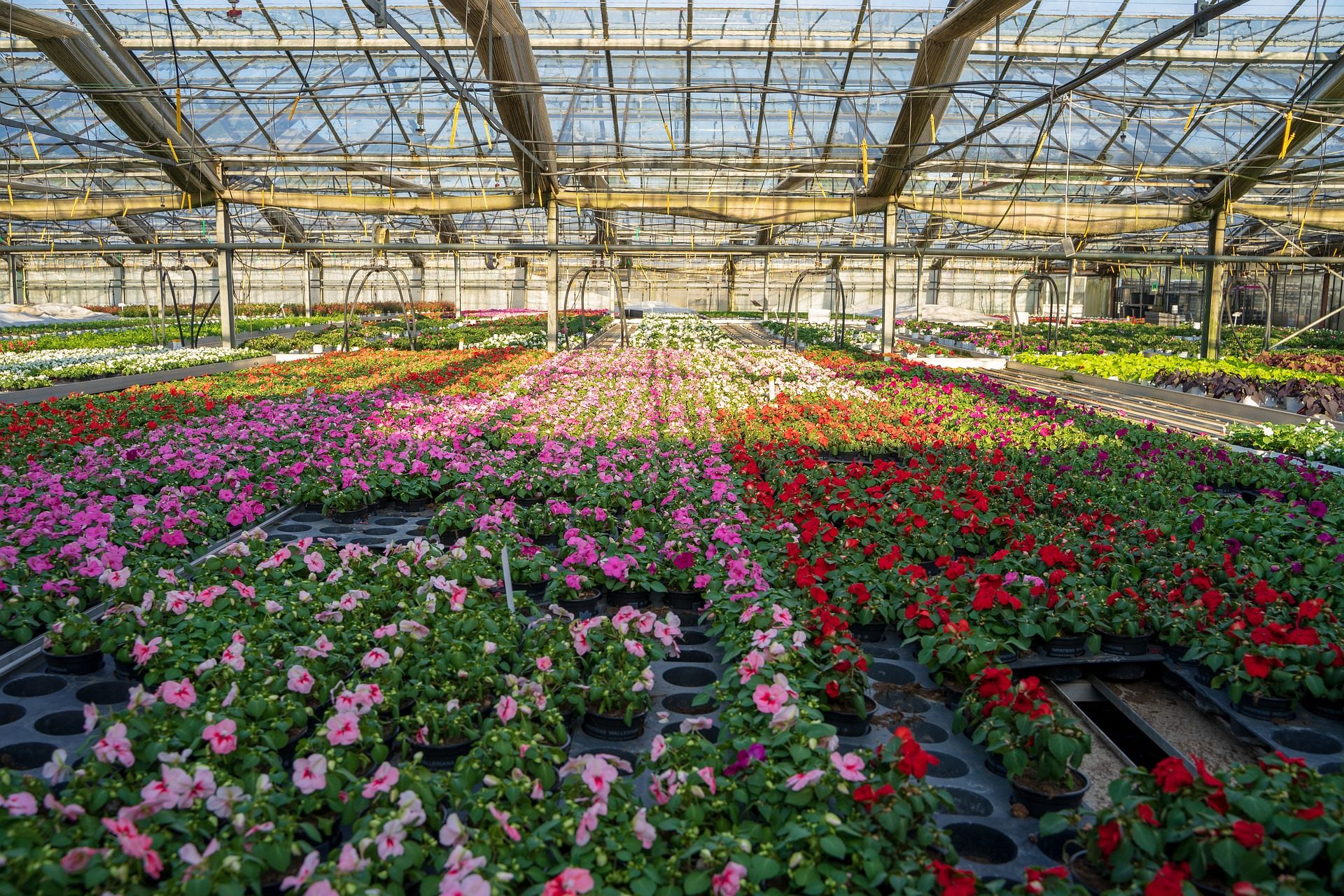
An overhead greenhouse watering system is the most ideal for larger greenhouses that are more closely associated with professional greenhouse growers. This system is extensive and elaborate, making use of water pipes on ceiling and nozzles at certain intervals. When it’s time for watering, the nozzle will release a fine spray that provides an even coverage across your entire greenhouse. You can even angle the individual nozzles so that the spray is focused more on your plants than your walkways. This system also comes in manual and automatic options.
Perimeter irrigation
For special plants like cacti and others that have certain watering needs, a perimeter irrigation system is an ideal alternative. You wouldn’t want to spray these plants evenly like you would vegetables, so this system makes use of the outer edge of your greenhouse. You can isolate specific areas with connected water pipes that you can angle directly at the necessary plants. These plants, in essence, will become a greenhouse within a greenhouse, and this system gives you a way to keep your drought-loving or moisture-loving plants alive.
Each of these systems has its own benefits, and each one does a fabulous job at keeping your plants alive. If you have a small greenhouse and need a little help watering, a mat irrigation is the way to go. If your greenhouse is on the professional side and you’re tired of enlisting friends and family to help water your plants, an overhead irrigation system will be a beneficial investment.