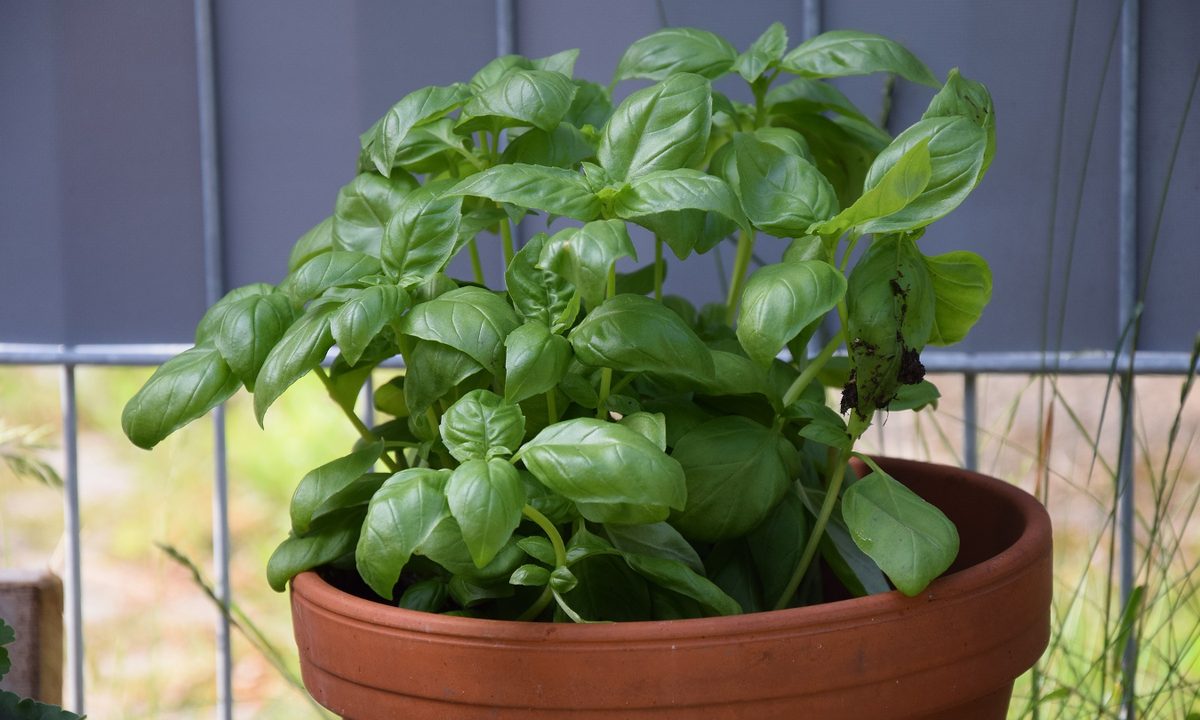
Basil is a delicious herb that's easy to grow and extremely versatile. Unfortunately, there are some basil pests that also find it delicious. Luckily, there are easy ways to protect basil plants from pests. Here are some tips for figuring out what is eating your basil and how to apply organic pest control methods so you can enjoy your basil in peace.
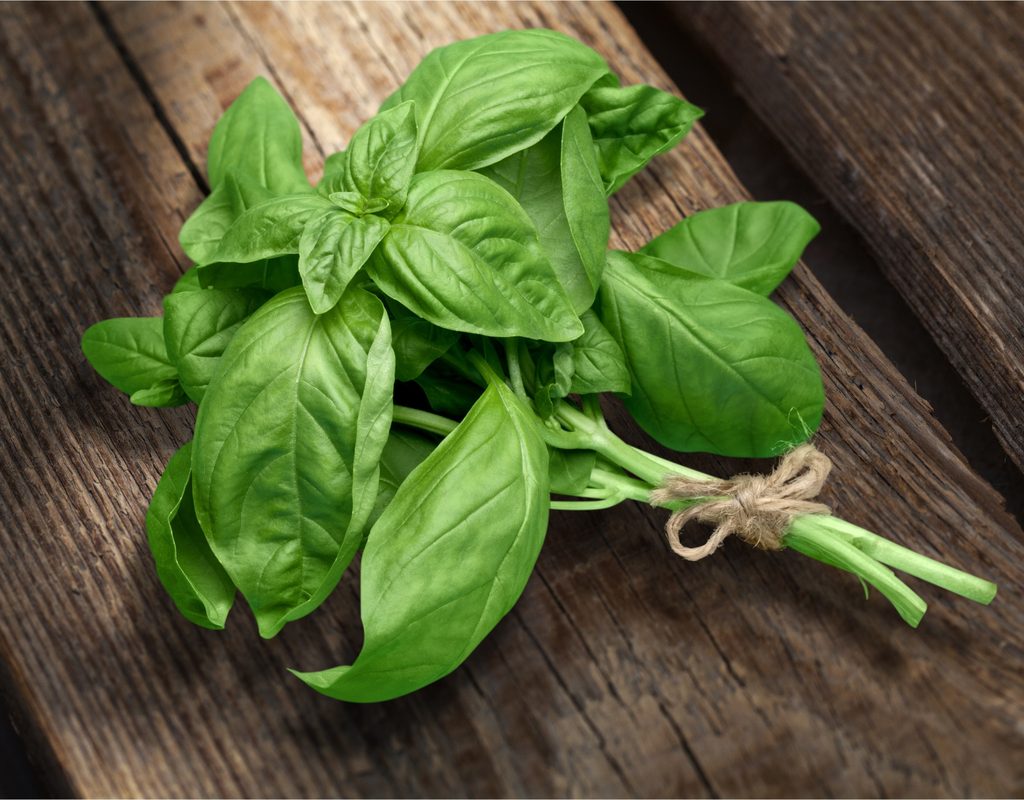
What animals and insects eat basil?
Aside from people, there are a variety of things that eat basil. Japanese beetles, slugs, and aphids are the most common basil pests. Other pests include whiteflies, spider mites, caterpillars, and thrips. Animals aren’t likely to be eating your basil, although some damage could occur if an animal is eating the bugs off your plant. Here's how to determine what pest you're dealing with:
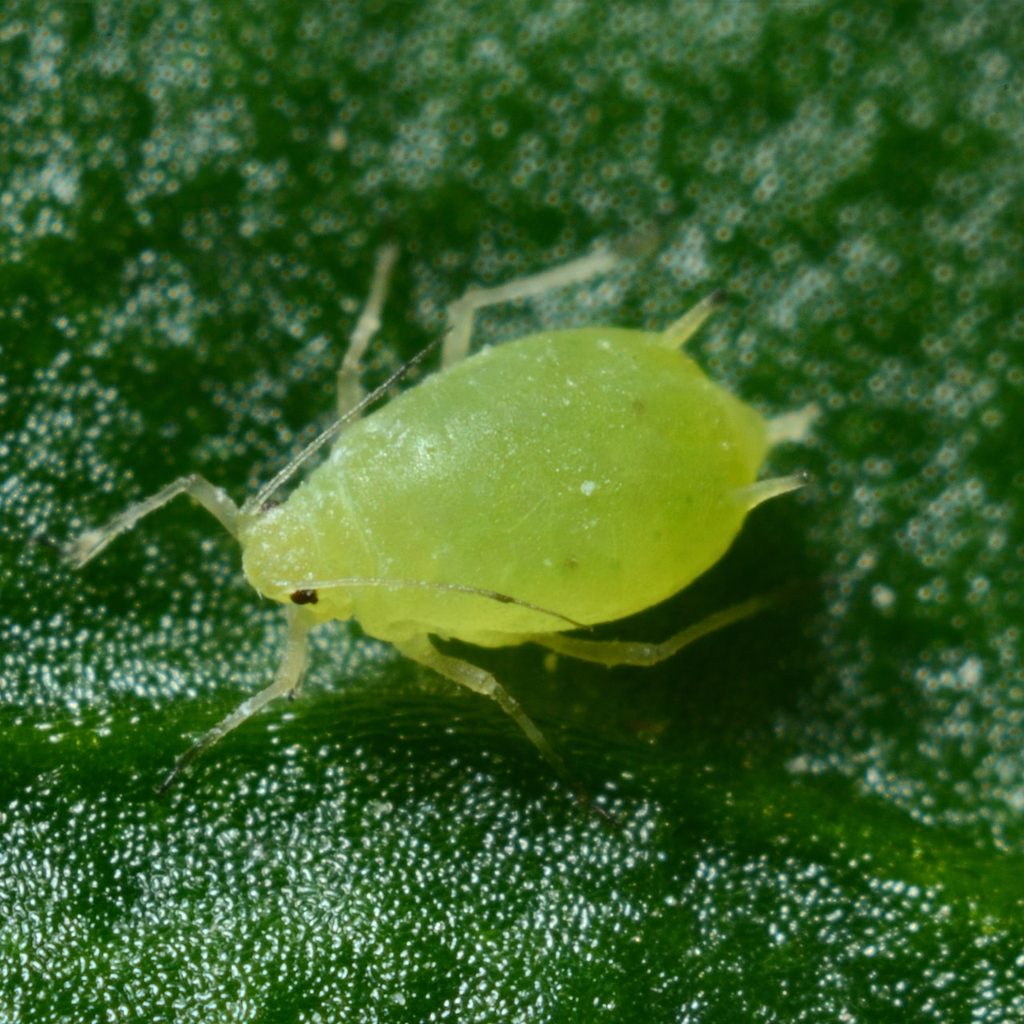
Step 1: Identify your pests based on appearance. Beetles have a hard exoskeleton; whiteflies resemble tiny white moths; aphids are small, oblong, and either green or orange; and spider mites are very small and round.
Step 2: Identify the pests based on the damage they cause. If you can’t see a pest, you can make an educated guess based on the holes in the leaves. Slugs and caterpillars leave large, uneven holes; Japanese beetles don’t eat the veins of the leaf; and aphids, whiteflies, and spider mites make smaller, smoother holes.
How do I get rid of pests on my basil plant?
Once you've identified the pest, here's how to deal with them:
Step 1: Remove larger pests by hand.
Step 2: Remove smaller, visible pests by spraying them with a water hose. Test the pressure before spraying to avoid damaging the plant.
Step 3: Apply an insecticide to the plant if pests are not visible. Follow all directions on the bottle or packaging to avoid damaging the plant.
Step 4: Apply neem oil or spray as an organic pesticide. Neem oil is derived from the neem tree, or Indian lilac, a relative of mahogany. Since it is natural and not chemical-based option, it has a lower impact on the environment in general, and more specifically, your plant. It is still effective as an insect repellant, though.
Can I bring my basil plant indoors?
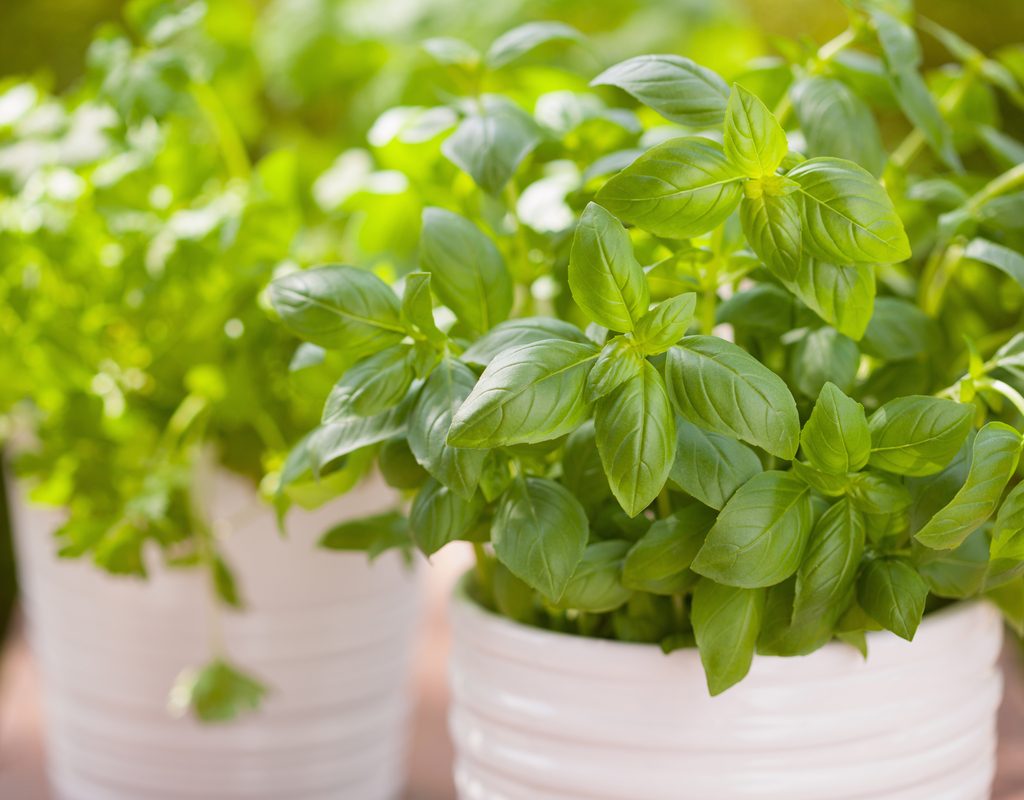
You can bring your basil indoors, and this can help protect them from pests. Here's how to make sure it thrives indoors.
Step 1: Place your basil in a sunny window. To be healthy and happy, a basil plant needs roughly 6 hours of sun.
Step 2: Match your indoor temperature to the outside climate. Plants don’t like sudden shifts in climate, so if your house is much colder or warmer than the outdoors, you may need to match your temperature to the outdoors and gradually bring it back to normal.
What do holes in basil leaves mean?
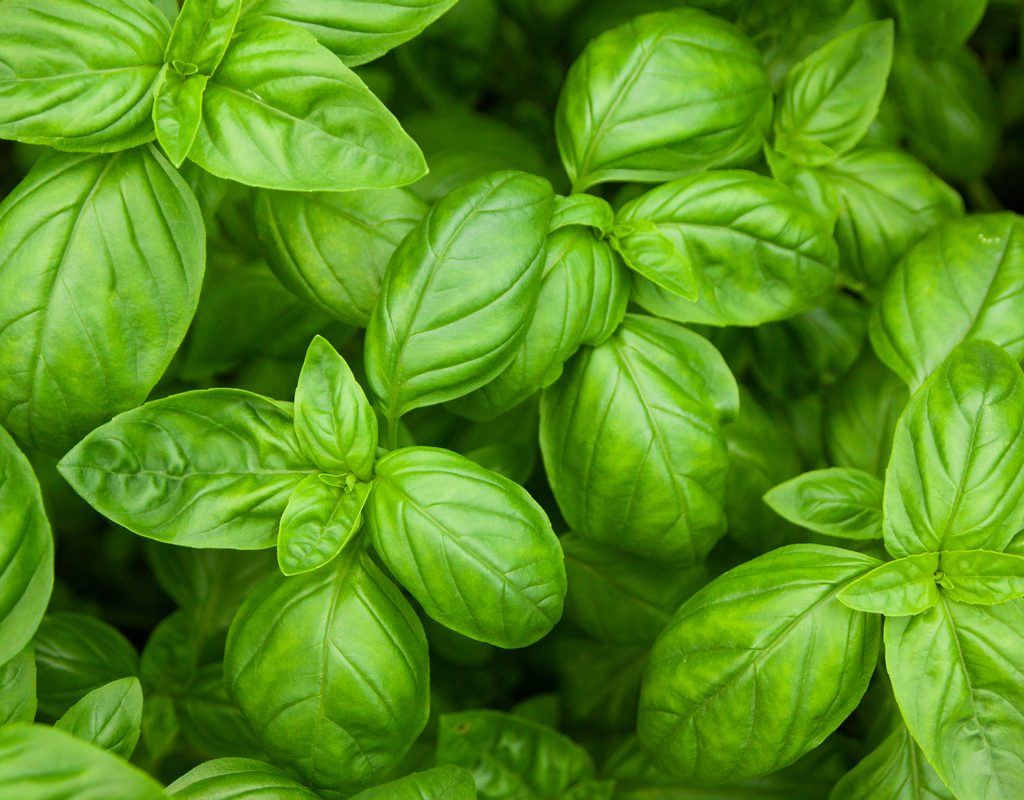
If there are holes in your basil leaves, it means that something is eating your plant. Here's what to do once you spot the damage.
Step 1: Remove the leaves with holes first, even if they are small holes. Insects that eat your plants will sometimes lay eggs near where they have eaten, and others are small enough to hide on the leaf or in the hole.
Step 2: Remove any leaves that are brown, abnormally moist, limp, or smell off. Dry, brown leaves are already dead, while moist, limp, and smelly leaves are rotting and likely moldy.
Is it OK to eat basil leaves with holes in them?
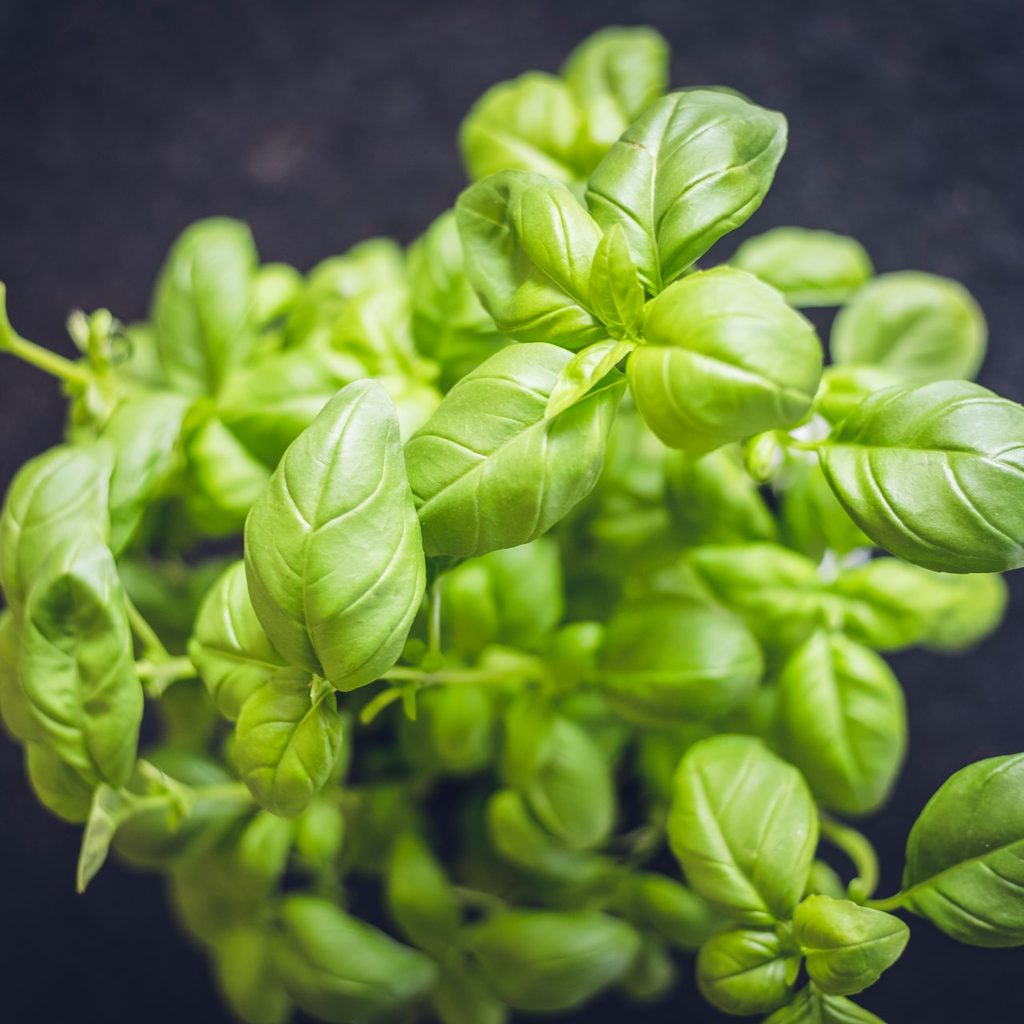
If you want to avoid waste, you may be wondering if basil leaves with holes in them are OK to eat. The answer is actually yes! While many gardeners prefer not to eat damaged leaves, they're perfectly safe to eat as long as the leaf is not severely damaged or rotted.
Here's how to ensure your damaged leaves are ready to eat.
Step 1: Trim the bitten edges, particularly if the damage was caused by slugs or snails. While slugs and snails are not toxic to humans, they can carry diseases and parasites. It's better to be safe than sorry, so cut off the part the slug or snail was in contact with.
Step 2: Rinse the leaves with clean running water to remove any small insects or eggs still on the leaf.
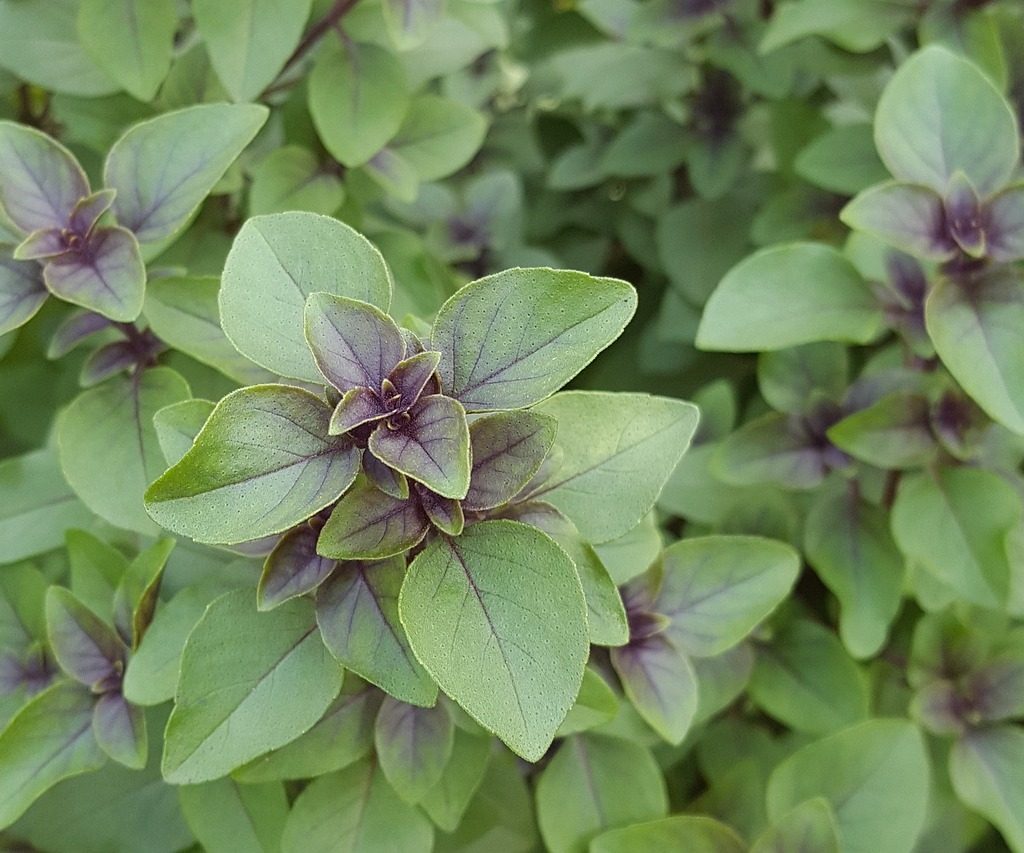
Do other types of basil have the same pest problems?
The most commonly grown type of basil is sweet basil, but different types of basil can have different vulnerabilities and resistances. Thai basil tends to be more pest resistant, as is holy basil. They're also fairly resistant to powdery mildew. You can also find specific varieties of these basil types, including sweet basil, that have increased resistance to specific pests and diseases. Rutgers University has developed several varieties of sweet basil, which are called Passion, Devotion, Obsession, and Thunderstruck, all of which are reported to have increased resistance to downy mildew.
Basil has such a wonderful flavor, it’s no wonder so many insects enjoy it as much as we do. You can kill those critters in a few simple ways, but prevention is just as important. A properly cared-for, healthy, happy basil is naturally more resistant to pests than a sad, poorly tended basil. Make sure your basil gets plenty of light, and don’t overwater it! At the first sign of pests, act quickly to remove the damaged leaves and the pests themselves. With this information in your tool kit, you can get rid of pests and get back to pesto.