Pollinator gardens are great for your yard and the environment, and there are many wonderful plants you can choose from when planning one. Bee balm is a popular choice, and it has many benefits. If you’re starting a pollinator garden or curious about adding bee balm to an existing one, then this is the guide for you. We’ll explain everything you need to know about planting and caring for bee balm, so you can enjoy this beautiful flower and all the benefits that come with it.
The benefits of bee balm
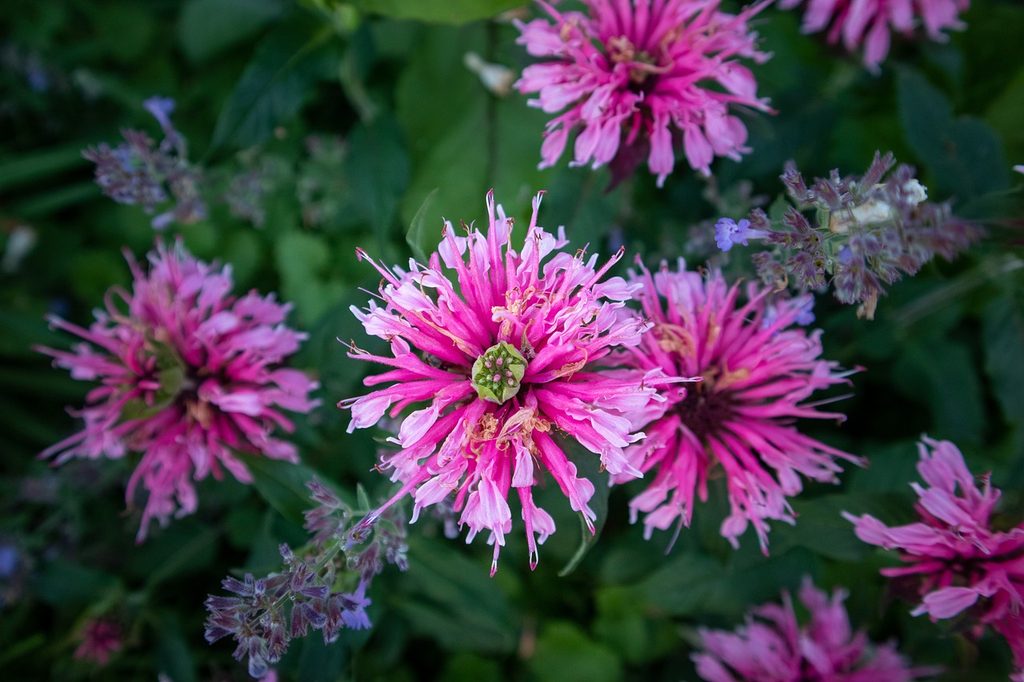
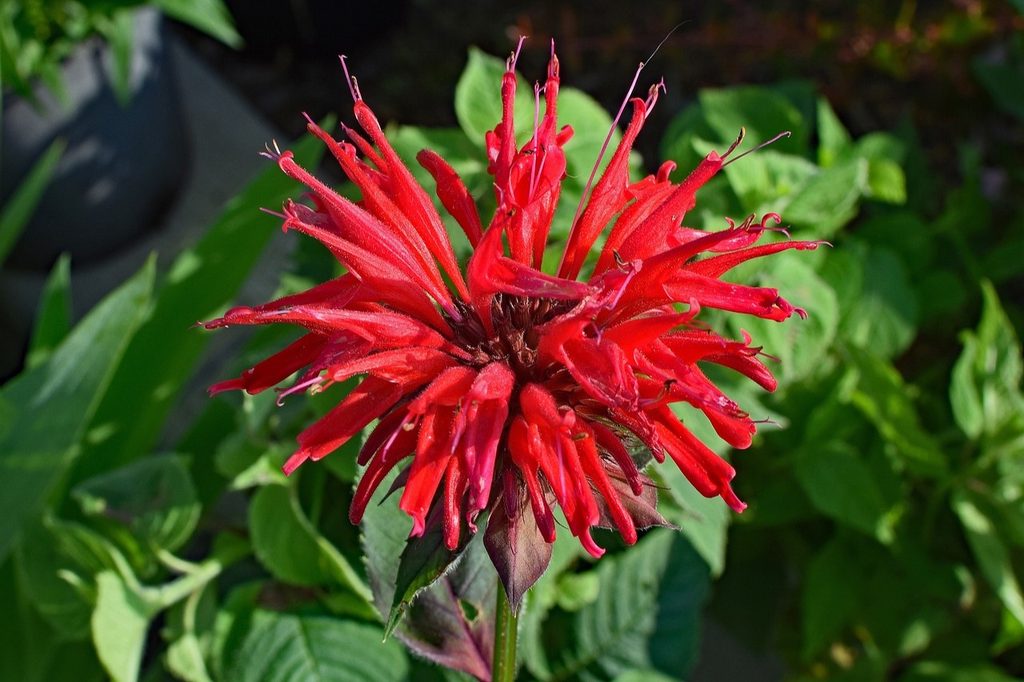
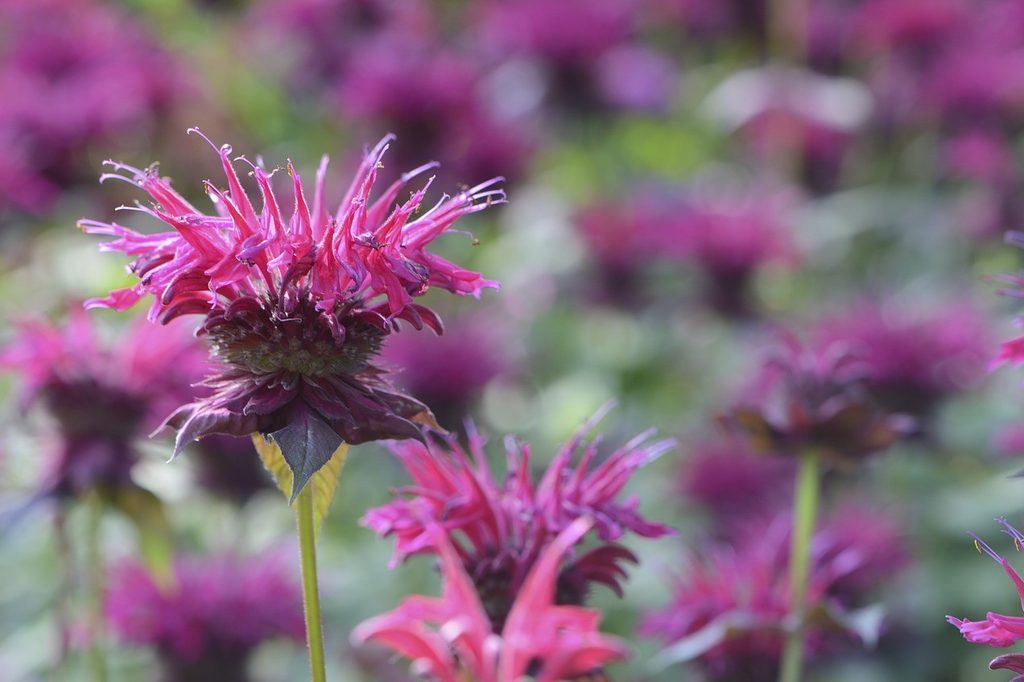
In addition to being beautiful, bee balm’s vibrant red, pink, and purple flowers are highly attractive to pollinators. Bees, butterflies, and even hummingbirds are drawn to their flowers. Bee balm is easy to grow and will spread to fill an area. However, it doesn’t spread as aggressively as other members of the mint family, making it easier to control. Additionally, some bee balm species are native to North America! In particular, scarlet bee balm is native to the eastern side of the U.S. and Canada. A few other species are native as well, but scarlet bee balm is one of the more popular bee balm species for gardens.
Planting bee balm
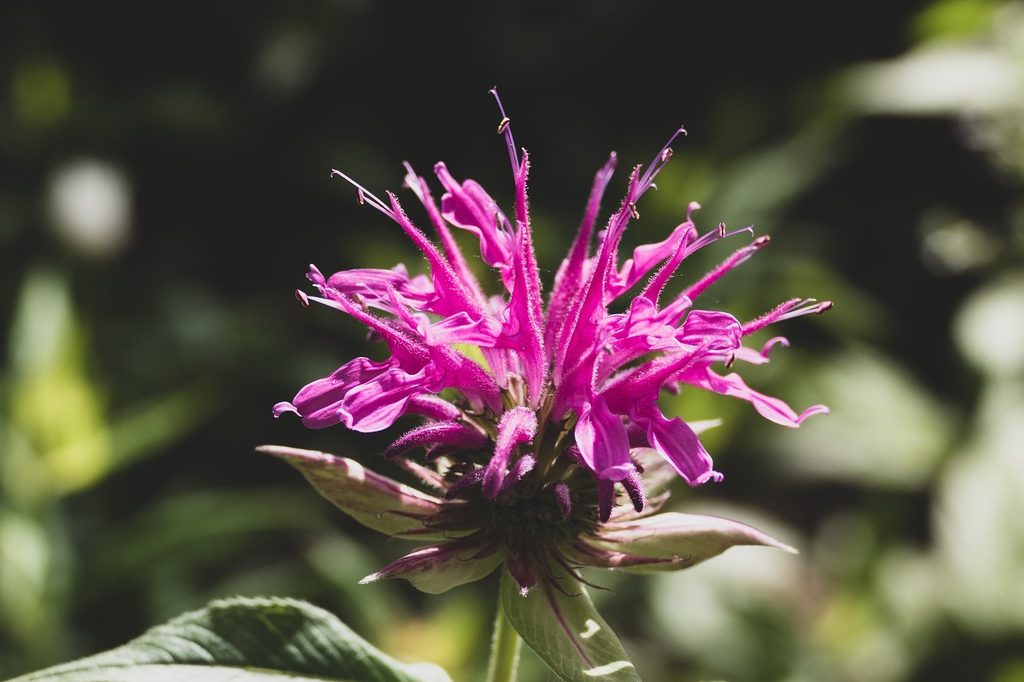
Begin planting your bee balm in spring, after the last frost of the year has passed, or fall, before the first frost of the year. Plant your bee balm in full sun for the best results. It can tolerate partial shade, but avoid planting it in full shade. You can also plant bee balm in containers if you prefer.
Whether in a container or in your garden, plant your bee balm in rich, well-draining soil. Bee balm will tolerate poor soil, but rich soil will promote healthier growth. Adding compost to the soil before planting will give it a boost. Space your bee balm plants 1 1/2 to 2 feet apart, so they have room to grow and spread. You can plant the smaller or dwarf varieties slightly closer together.
Bee balm care

While some bee balm species are more drought tolerant, most prefer moist soil. Regular watering will keep your bee balm looking bright and fresh. Once every week to week and a half is typically enough, but during hot, dry weather you may need to water it more often. Bee balm can withstand short droughts, but it leaves the flowers weak and vulnerable to pests. While bee balm typically doesn’t need fertilizer, an occasional application of compost can be beneficial.
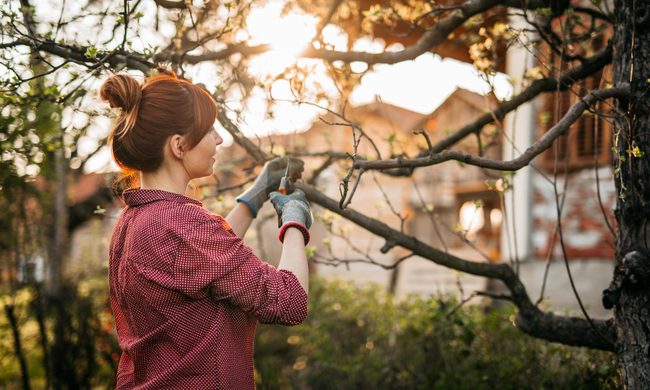
Bee balm can benefit from deadheading or pruning. Deadheading will keep your plant looking neat and give your bee balm a chance to put out new flowers. During fall, after the flowers have faded, you can cut them back to make room for fresh growth in the spring. However, you can also leave the plants uncut. Birds, squirrels, bees, and other wildlife can use the old growth as food or shelter during winter.
Common problems and pests
Bee balm only has a few problems to look out for. Too much shade can make the bee balm leggy or wilted. Small pests such as aphids, mites, and thrips can bother bee balm, although the damage isn’t often severe. You can use neem oil or an insecticidal soap to keep them at bay without too much issue.
A more potentially harmful problem is powdery mildew, a common fungal infection that thrives in warm, humid conditions and can weaken plants. It can be treated with fungicides or home remedies, but it is often easier to prevent than to treat. Infected plants should be removed when possible to keep the spores from spreading. Additionally, keeping some space between plants or removing unnecessary growth will improve air circulation and reduce the risk of mildew forming.
Bee balm companion plants
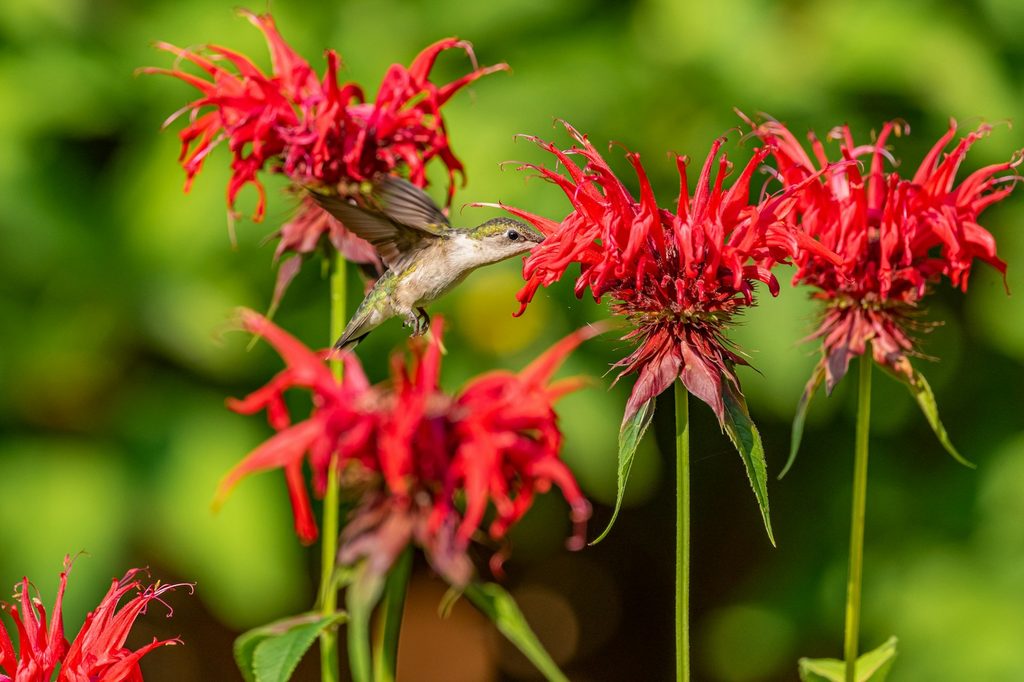
Bee balm grows well with a variety of flowers, but also with many herbs and vegetables. Fruits and vegetables like tomatoes, peppers, and squash can all benefit from bee balm’s ability to attract pollinators. Herbs like yarrow, basil, and oregano can benefit from this as well, but also benefit bee balm by drawing pollinators of their own and even keeping certain pests at bay.
Of course, bee balm looks beautiful alongside other flowers, and those other flowers will also attract pollinators, creating a lovely habitat for your local pollinators. Black-eyed Susans, daisies, and asters are popular choices, as are primroses, phlox, and peonies. You may also find bee balm in many wildflower seed mixes.
Bee balm is beautiful, easy to grow, and helpful to have in your garden. It’s popular with gardeners and pollinators alike, and it’s easy to see why. With vibrant flowers and plenty of benefits, you’ll be glad to have these lovely little flowers in your pollinator garden.