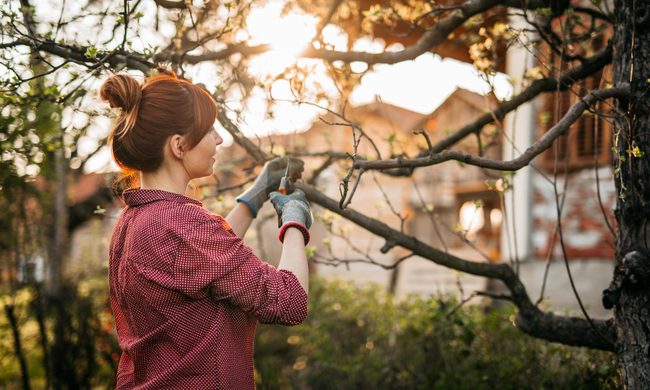
Ancient Chinese, Egyptian, and Greek gardeners grew fruiting and ornamental trees in decorative containers thousands of years ago. For centuries, the practice was exclusive to the wealthy, educated, and cultured. It was also limited to those in relatively mild climates. Without glass windows and central heat, it would prove difficult to grow plants indoors through the winter in the colder regions of the world.
In our contemporary world, we can be thankful for big insulated windows, efficient household climate control, and access to a huge diversity of flora from all over the world. Potted trees from tropical and subtropical areas of the world, such as indoor palm trees, have become important design elements in our temperate homes. For some gardeners, moving a tender tree indoors is a temporary solution to keeping it alive through the winter.
Like our ancient ancestors, in order to be successful growing potted trees inside, we have to replicate the tree’s habitat. Pot size, soil type, and lighting are key considerations from a growing perspective. Plant selection matters, too. In addition to various indoor tree sizes, forms, and textures, if you live with children or pets, beware of potential allergens and toxicity. Read on as we explore what it takes to grow the best indoor trees for your home.

Bring tender trees indoors when the temperature drops
Olives, citrus, and other fruit trees from warm climates need lots of sunshine to make flowers and fruit. The best place to grow them is outdoors — until cold temperatures threaten. Palm trees and tropical hibiscus that adorn the pool deck or patio throughout the summer won’t survive freezing winters, either. Safely overwinter them indoors after a well-planned transition.
In late summer or fall, when the nighttime temperatures are around 50 degrees and decreasing, it’s time to bring tender plants inside for the winter. Wash the foliage with plain water to knock off insects that you won’t want to bring inside. Then, spray them with horticultural oil as a final precaution against insects and diseases.
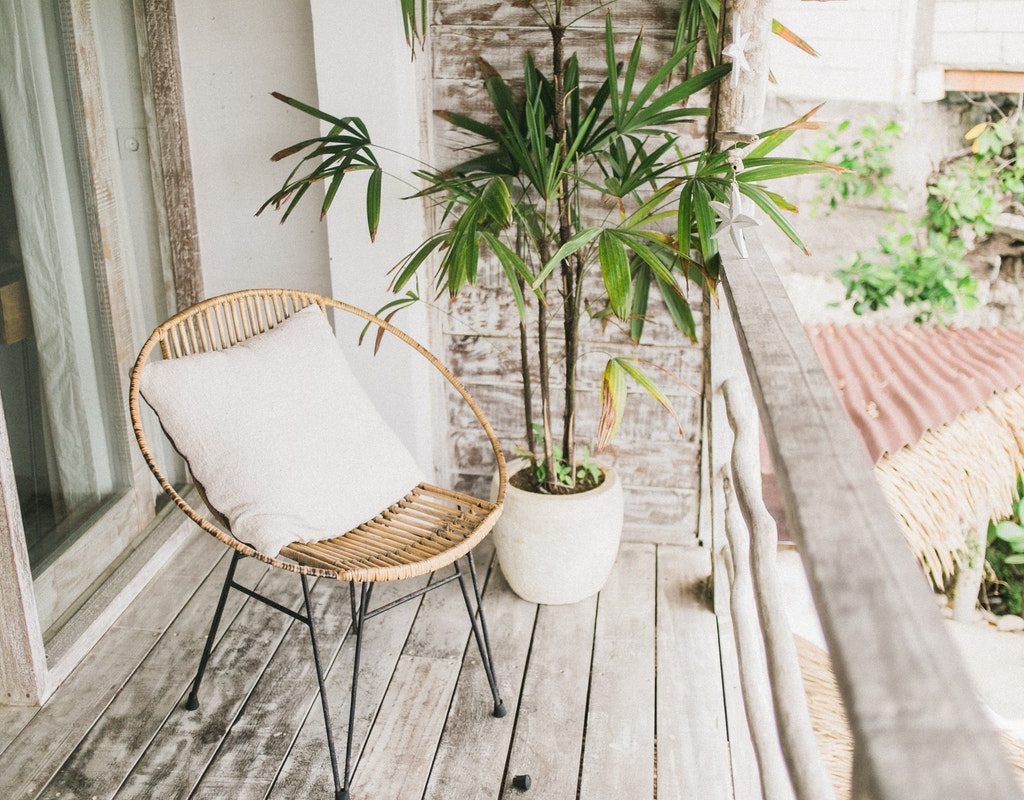
Give them enough sunshine
Keep these trees in a bright, sunny room near a south-facing window. Most of the plants will initially experience some yellowing and leaf drop, but that is normal. They’ll begin to grow fresh foliage in late winter. Refrain from fertilization until the new growth begins to emerge.
Most of these plants go through a rest phase in fall and winter. Water them as normal (when they dry out, water deeply). Repot and fertilize them in the spring. When night temperatures reach at least 50 degrees and are rising, transition the trees back outdoors. Place them in the shade first, and slowly expose them to increasing amounts of direct sunlight. Add a few hours each day until they are in their final summer position.
Choose the right pot size
The right pot size allows ample room for the roots to grow for a season or two and provides a sturdy foundation that resists tipping. When you purchase a container-grown plant, turn it on its side and gently slide it out of its pot. If the sides of the root mass appear tangled and tightly matted, repot it into a larger container. The new pot should have an inner diameter two inches larger than the old one. And it should be about half the height of the tree, measured from the soil surface to the top.
Use a quality indoor/outdoor potting mix with a medium-coarse texture. If the tree is pot bound, with a thick, dense layer of roots wrapping around the rootball, use a sharp knife to slice from top to bottom through the mass in four or five places. Gently tease out the roots, and then plant the tree in the new container. Water well after repotting.
Trees to steer away from
A critical part of gardening success is choosing plants that are right for the gardener and the location. A few otherwise excellent houseplant choices may be toxic to inquisitive children or pets. Some of these include Dieffenbachia, Oleander, and Sago Palm. Also, those with latex sensitivity should use caution with members of the Ficus genus, including Rubber Tree, Fiddle Leaf Fig, Weeping Fig, and others. If you or anyone in your home suffers from serious allergies, it’s best to consult your physician before making a selection.
The best trees for indoors look great, don’t require a cold dormant period, and need little care beyond occasional watering and feeding. Below are our top picks for easy care, high impact, and general safety for most homes. For more suggestions of houseplants that are safe for kids and pets, check out this list from HGTV.
Indoor trees worth considering
There are so many great kinds to purchase, but some we think you’d love include:
- banana tree
- Norfolk island pine
- Madagascar dragon tree
- birds of paradise
- European olive (here’s our guide to growing an olive tree that thrives)
There’s nothing quite like plants to make the home feel warm and inviting. They help purify the air, and they go with any decor. An indoor tree can anchor a larger plant collection, soften the appearance of a large wall, establish scale and proportion in an open space, and create a sense of intimacy. Be sure to choose trees that are adapted to the conditions your home offers and you’ll enjoy all the benefits of your own personal oasis.