Grass is just grass, right? Wrong! There’s a wide variety of grass available with all sorts of different appearances, needs, and uses. And there are several things to consider when you’re trying to select the right grass seed for your lawn. If you’re curious about ornamental grasses, or looking to seed your lawn with one, here’s everything you need to know about the best of the best.
Tall fescue
Tall fescue is a great all-purpose grass. It has a nice, classic appearance, with a shade of green that can only really be described as grass green. It can tolerate all manner of conditions, including drought, cold, heat, shade, and most diseases.
Tall fescue grows fairly quickly and is a reliable seed. You can count on tall fescue to establish itself with fervor, as its deep and fast-spreading root system takes hold and keeps it steady through almost anything.
The one thing tall fescue can’t do is self repair. Unlike some other grasses, tall fescue doesn’t spread through rhizomes. It grows in clumps or bunches and spreads slowly if at all. This means that when part of your lawn is damaged, the rest of the grass won’t spread to fill that space. However, this does make it easier to control.
Kentucky bluegrass
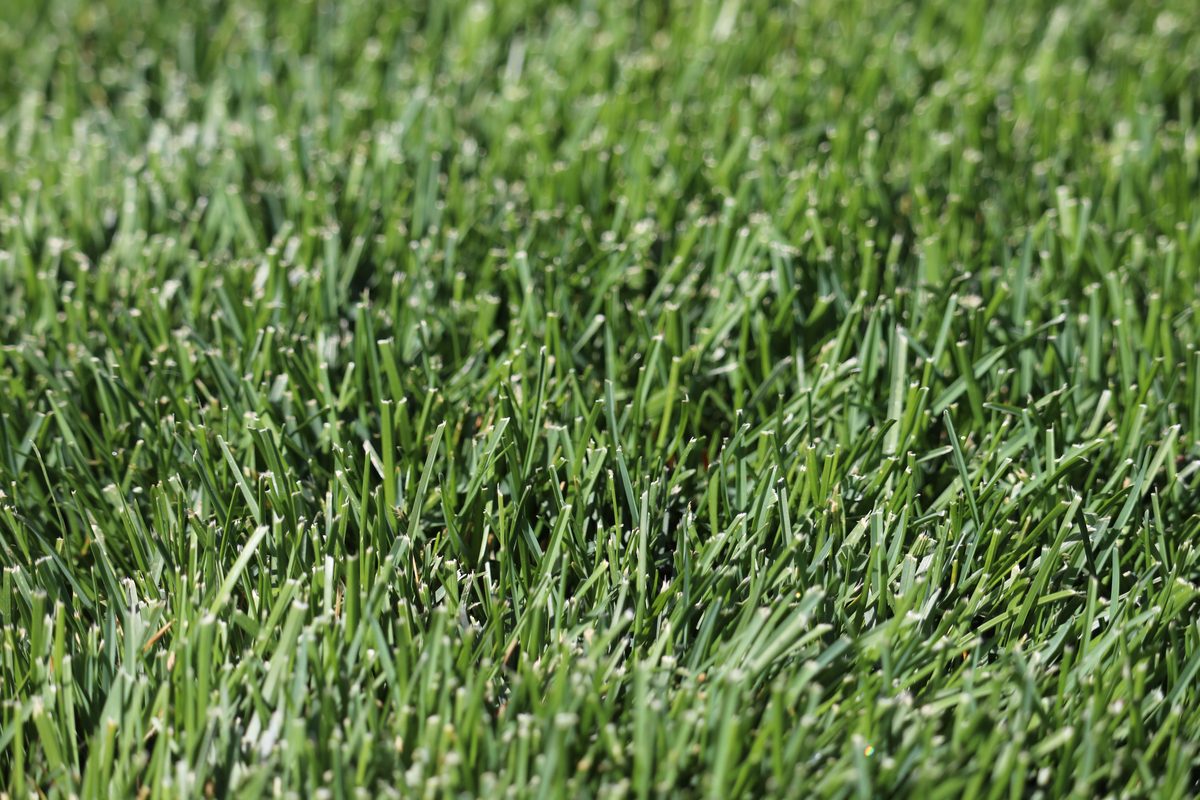
Kentucky bluegrass has a rich, dark green color that makes it a favorite of many lawn owners and gardeners. It has a slightly more distinct appearance than tall fescue, but it is also a little more finicky.
Kentucky bluegrass has specialized in one environment, and that’s the cold. It tolerates cold well and can endure the winter. However, it is not nearly so resistant to heat, drought, or shade. It can withstand more activity than tall fescue and is a little better at self repair, but its need for a specific environment can pose a significant drawback.
If you do live in a cooler climate, though, you’ll enjoy how quickly this grass establishes itself and spreads! Although it’s slower to germinate than other grasses, once it gets going it doesn’t stop.
Perennial ryegrass
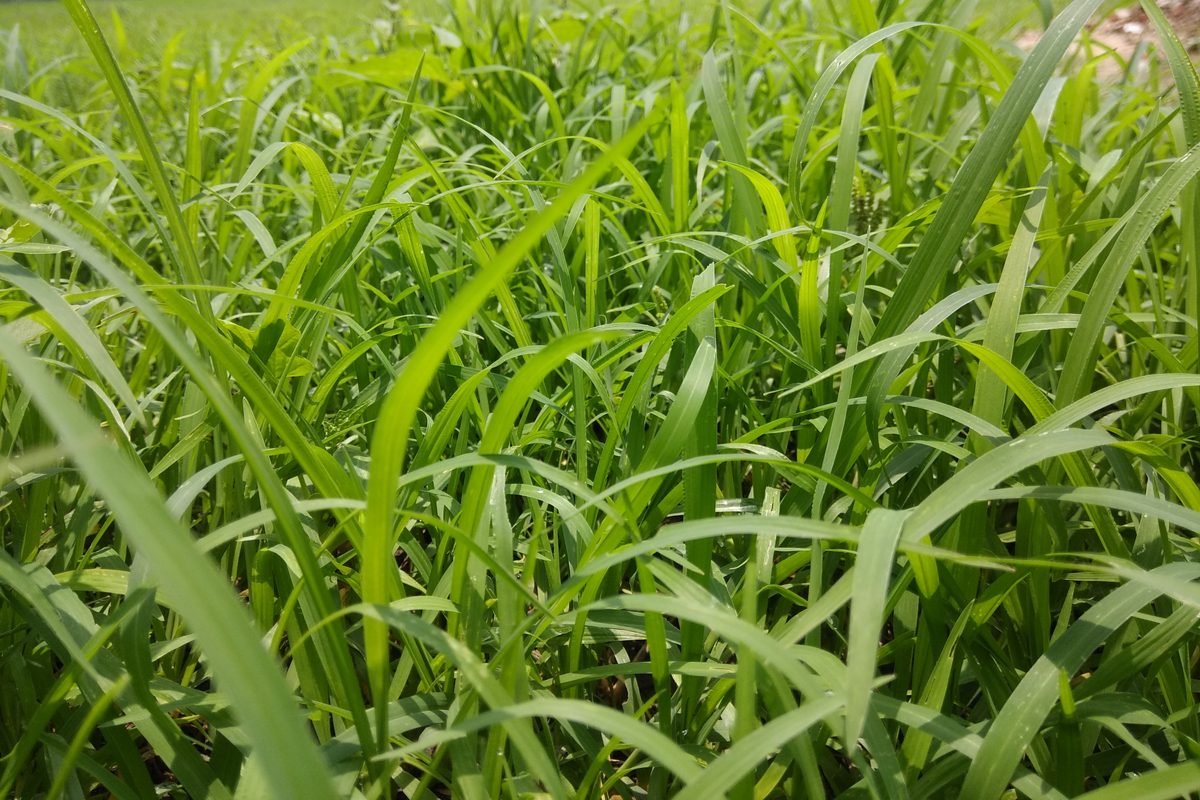
Perennial ryegrass has some of the better qualities of both Kentucky bluegrass and tall fescue. It’s a cool climate grass, like Kentucky bluegrass, but requires a little less upkeep. It tolerates some shade, and certain varieties can withstand heat and drought, as well.
Like tall fescue, this grass grows and is established quickly, but is also a bunching grass, meaning it spreads very slowly. However, it has shallow roots, making it less hardy than tall fescue.
Perennial ryegrass is a good middle point between Kentucky bluegrass and tall fescue. As a perennial, it will come back each year fairly reliably. It isn’t picky about soil pH, either! While extreme pH values are unpleasant for any plant, perennial ryegrass tolerates a wider range than other grasses.
Little zebra grass
If you’re looking for something a little more interesting, something to put the ornament into ornamental, look no further than little zebra grass! Little zebra grass has a very distinct appearance. It’s long, jade green blades are periodically banded with creamy gold stripes.
This variety can grow quite tall if you let it, although it’s still shorter than zebra grass, hence the name little. As such, it can be used as a lawn grass, a border plant for gardens, or even grown in containers! If allowed to grow, it even produces flowers in late summer.
This beauty isn’t just versatile, but adaptable, too. Little zebra grass can grow in a variety of soil qualities and conditions, including poor soil and acidic soils.
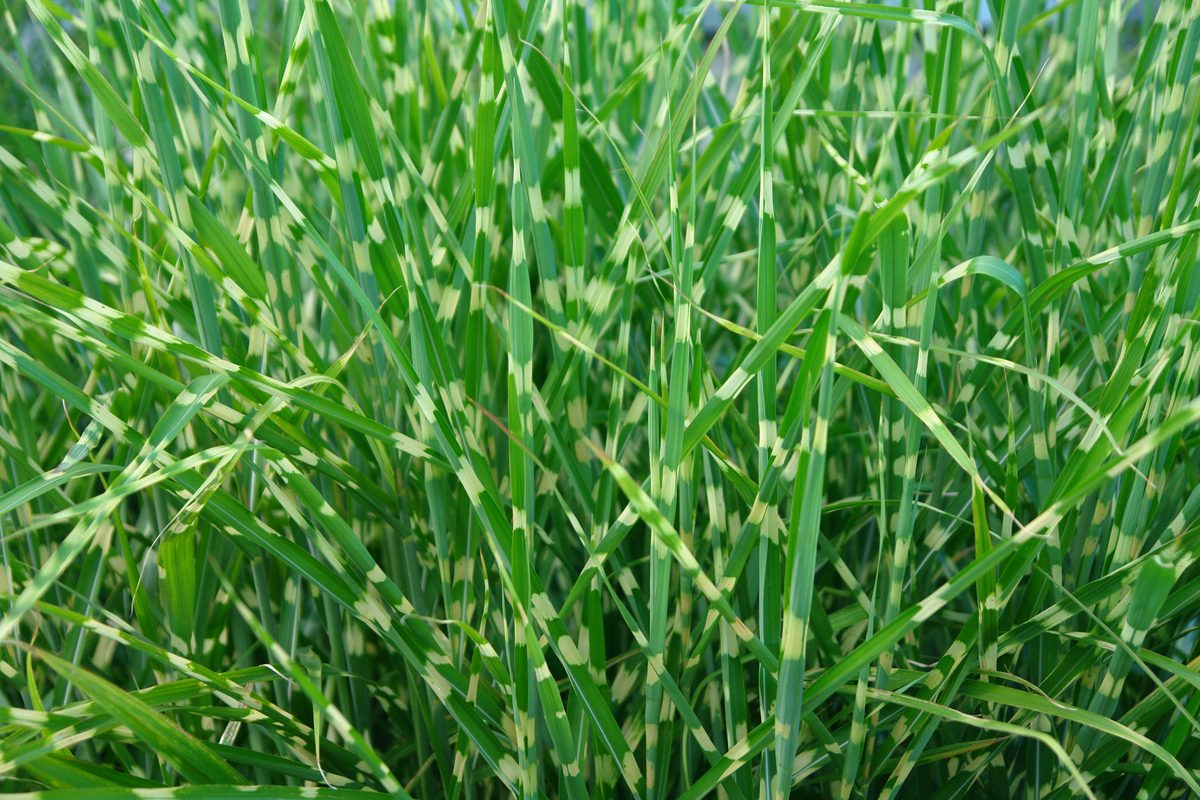
Little zebra grass prefers sun over shade but can tolerate a little bit of shadow. It’s also resistant to deer, making it an excellent choice for more rural locations where deer may be an issue.
In addition to growing pretty tall, it can also spread. This gives it the benefit of needing less seed to cover an area, although you should still seed thoroughly.
One drawback to this particular grass is that it isn’t very tolerant of drought. It can withstand some dry spells, but, in order to flourish it needs regular watering. It doesn’t need more water than the average grass, but it does need it fairly consistently.
There you have it! The best ornamental grasses for anyone, anywhere. Which will you choose? No matter which one you decide on, you can’t possibly go wrong with these four lovely grasses.