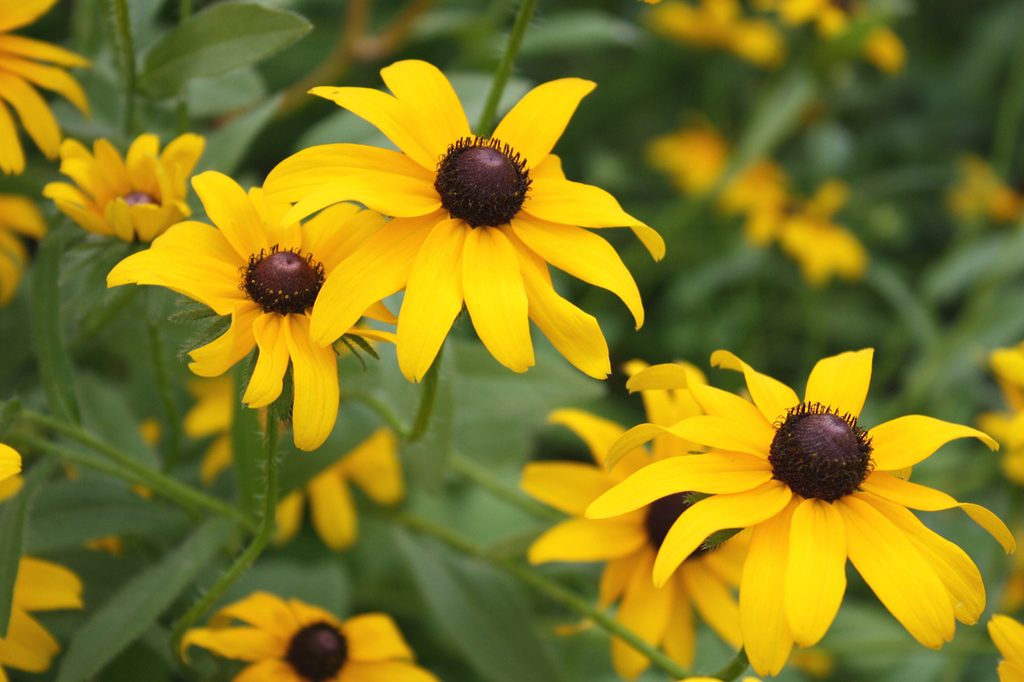
Wildflower gardens aren’t just beautiful; they’re also beneficial for your local ecosystem. This is especially true if you plant native wildflowers, like black-eyed Susans. Whether you’re planning an entire wildflower garden or are looking to grow black-eyed Susans on their own, these lovely little flowers are easy to grow, beautiful to look at, and highly beneficial for the environment.
If you want to try adding this delightful wildflower, then you’re in luck. This guide to black-eyed Susan care will walk you through everything you need to know to grow these blooms.
Planting black-eyed Susans
Starting black-eyed Susans from seed is simple. Start in spring, after the last frost of the year, or in early fall, before the first frost of the year. You should scatter the seeds or sprinkle them over the dirt without any covering. Similar to other wildflowers, black-eyed Susan seeds need light in order to germinate and grow, and they will germinate more slowly or even not at all if covered.
Choose a location in full sun for the best and healthiest flowers. Black-eyed Susans can tolerate some shade, but they tend to spread and become leggy when they don’t have enough sun. They aren’t picky about soil type and can grow in practically any kind of soil. However, they do best in moderately well-draining soil. For the best results, avoid areas of your yard that are often waterlogged, as well as areas that drain incredibly quickly.
Black-eyed Susan flower care
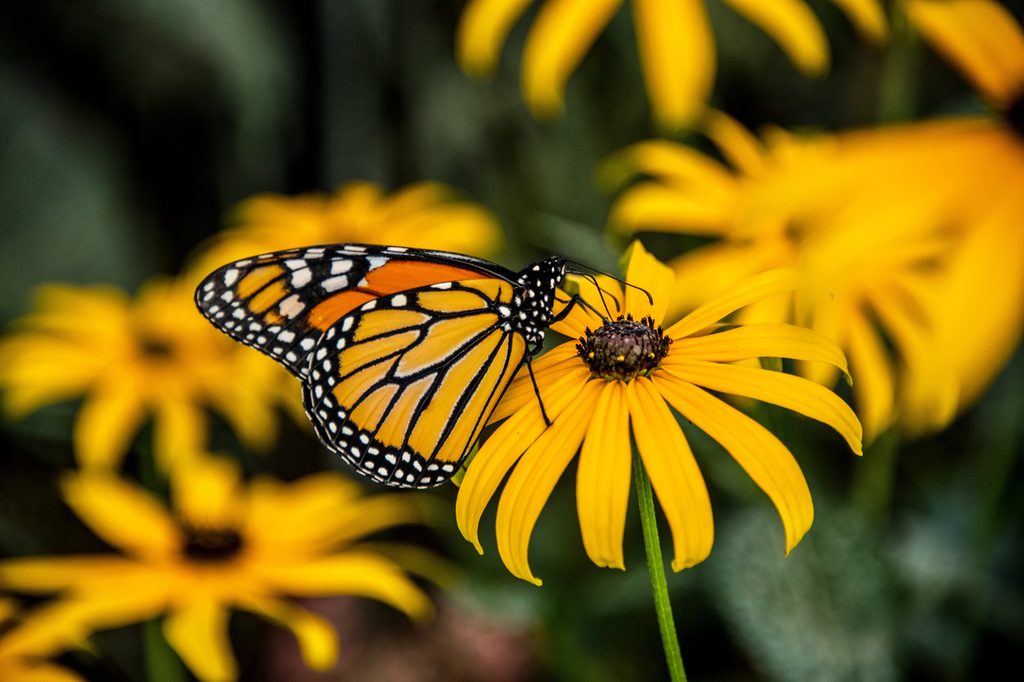
While the seeds are germinating and sprouting, water your black-eyed Susans regularly. Ideally, the soil should be moist, but not soggy. Once the plants are established, they’ll only need to be watered during prolonged droughts. If you plant them near plants that need more frequent watering, don’t worry because Black-eyed Susans may not need regular watering, but they won’t be harmed by it either. Black-eyed Susans typically don’t need to be fertilized, although compost or leaf mulch can be beneficial to them.
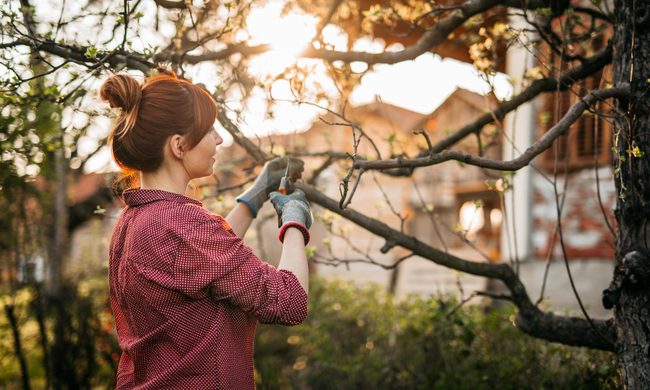
During the fall, some gardeners prefer to cut back their black-eyed Susans. This won’t harm the plant. During fall, the stems die, and the roots put out new stems the next spring. However, leaving the stems in place can be helpful. The seed heads are a great food source for your local birds and squirrels.
Common pests and problems
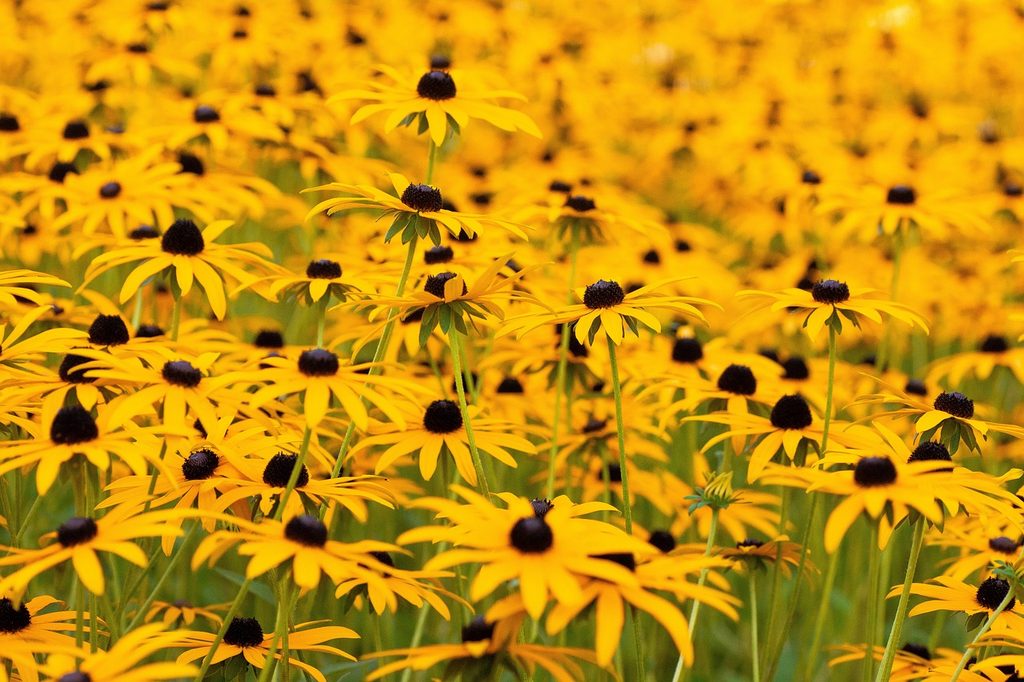
Common garden pests like aphids, mites, and thrips can sometimes pester black-eyed Susans. This damage is typically only cosmetic and not serious, but if they become a problem, you can get rid of these pests with neem oil or an insecticidal soap.
A larger issue with black-eyed Susans is fungal infections. Stem rot, leaf spot, rust, and mildew can all affect black-eyed Susans, and while early stages may be treatable, fungal infections are generally easier to prevent than to treat. Waterlogged soil, wet foliage, and poor air circulation are the most common causes of these infections. Avoid watering your black-eyed Susans when the ground is already damp or when rain is expected. If you notice water pooling around your plants, consider installing a French drain or another type of lawn drain, or move your plants elsewhere. Thin some of the plants so air can move freely between the remaining plants.
Black-eyed Susan companion plants
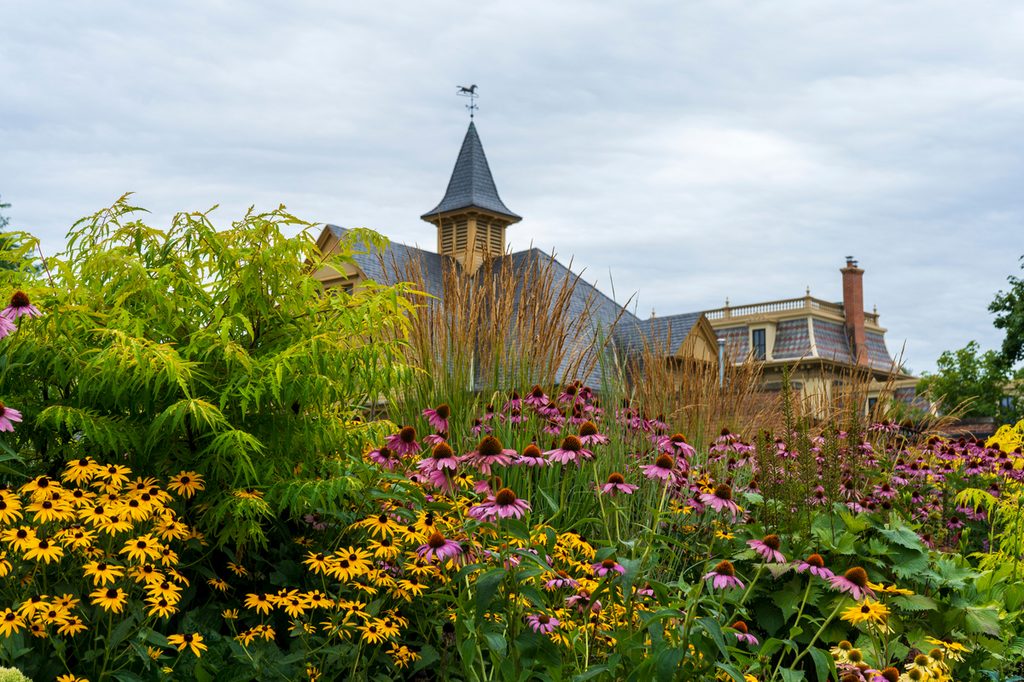
Black-eyed Susans are friendly plants, which is to say, they will grow well with a wide variety of plants. With the exception of plants that love deep shade or lots of water, most plants will do alright with black-eyed Susans. Other wildflowers like coneflowers, blanket flowers, bluebonnets, coreopsis, and butterfly weeds make great companions. Garden favorites such as zinnias, lavender, sage, and daisies will thrive and look lovely alongside black-eyed Susans.
A particularly popular pairing is black-eyed Susans and Sweet Williams. This is partially due to how lovely they look together, but it’s also because they are named after the same poem! The poem “Black-Eyed Susan” was written by John Gay in the 18th century, and it tells the story of a woman named Susan, black-eyed from crying, saying goodbye to her true love, sweet William.
Are black-eyed Susan vines different from black-eyed Susan wildflowers?
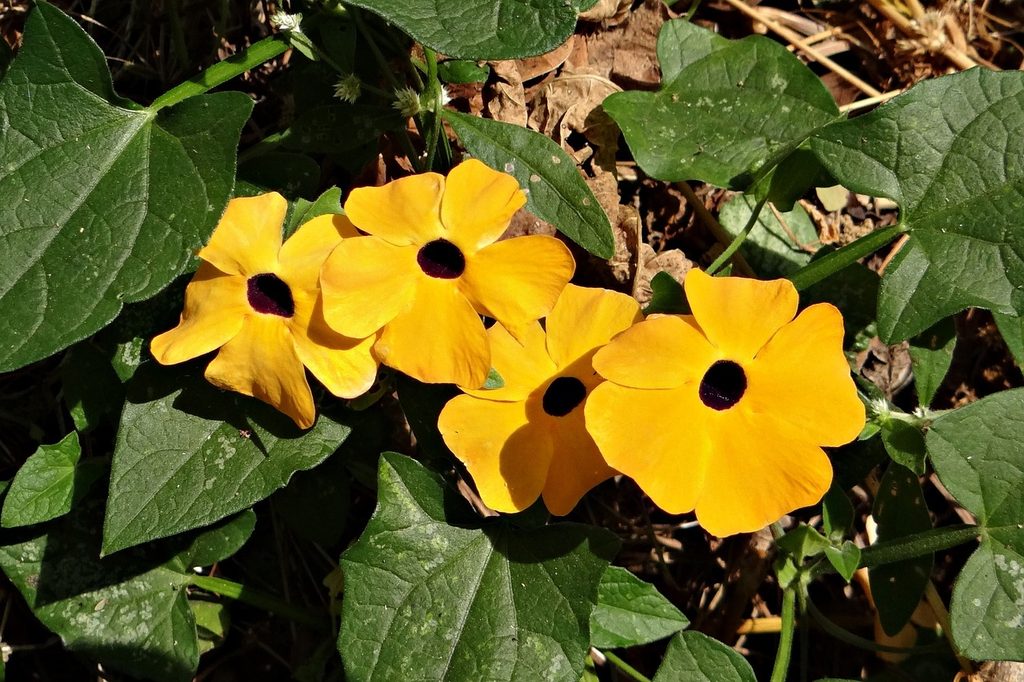
Yes! Black-eyed Susan wildflowers are Rudbekia hirta, a member of the aster family. They grow in tall stalks, not vines, and are native to North America. Black-eyed Susan vines are Thunbergia alata, a member of the acanthus family. They grow in vines, are native to Africa, and can become invasive under the right conditions. While the flowers look similar, the plants are quite different. It’s important to make sure you’re getting the right plant when planning your garden, not only because one is native and the other is not, but also because the plants have different needs and growing preferences.
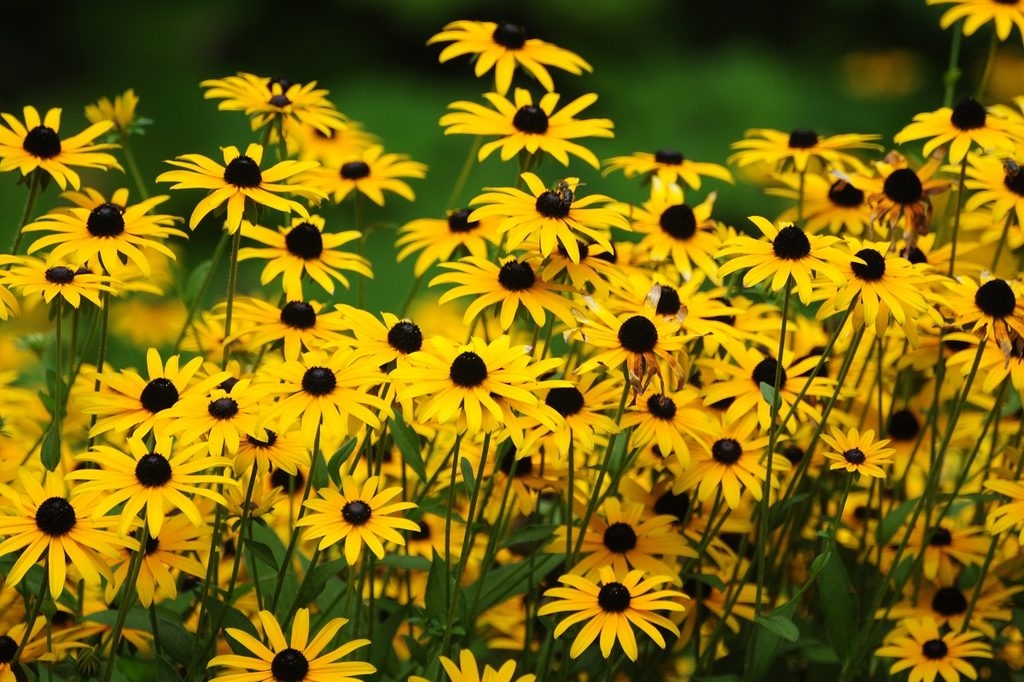
Black-eyed Susans are beautiful wildflowers that your local wildlife will love as much as you will. With their cheerful yellow petals and interesting seed heads, black-eyed Susans are sure to brighten up any garden. They grow well with other plants and require shockingly little care. Just be sure not to confuse them with a black-eyed Susan vine, which is an entirely different plant.