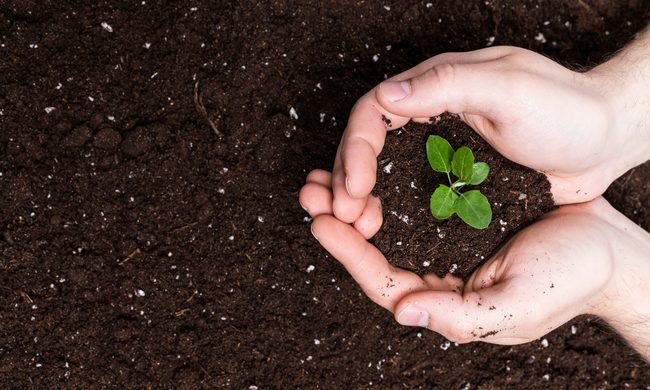

Compost is an easy way to reduce your food waste and add nutrients to your garden soil, so it’s no wonder that it’s popular with home gardeners. Most types of plant matter can be composted, including things like paper and cardboard. Something you may be wondering, whether a new or seasoned composter, is, “Can you compost meat?” Well, the answer is complicated.
Whether you can compost meat scraps will depend on how much time you can dedicate to your compost pile, how experienced you are, and how much space you have. To learn all about how to compost meat safely, why you might not want to, and what to do with your meat scraps instead, keep reading this simple guide.
What is composting?
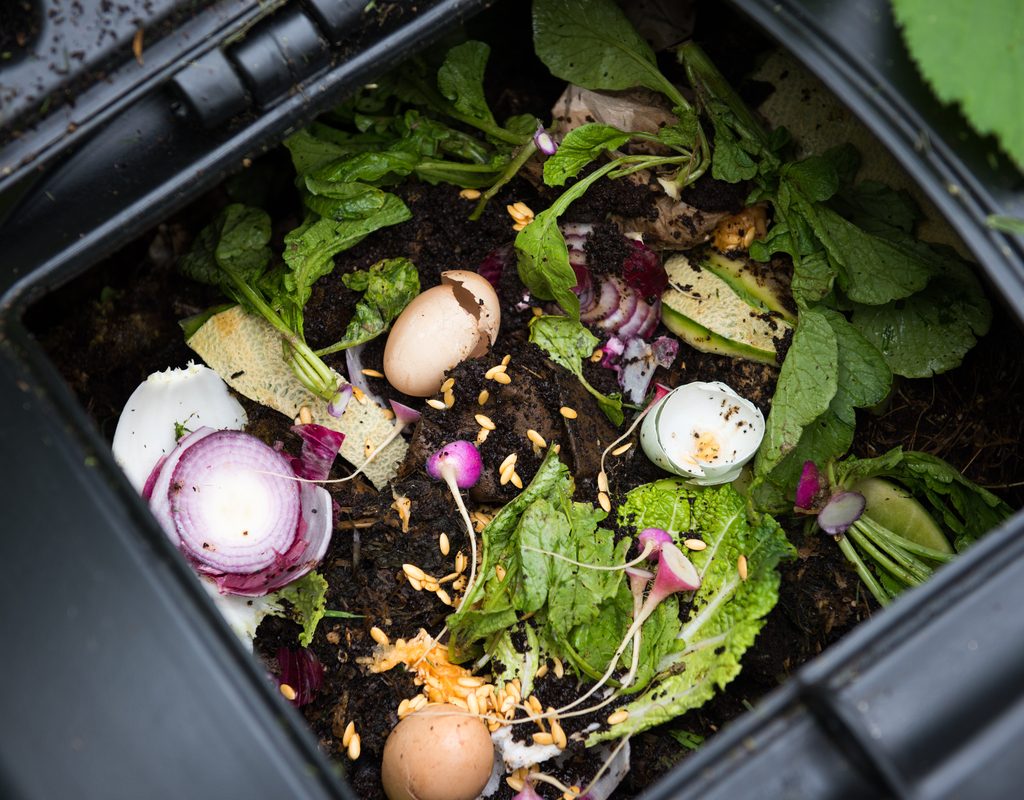
Let’s start with the basics. Composting is when someone, usually a home gardener or farmer, will have a designated bin or pile for food scraps and yard waste. The process of composting creates an organic material that can be added to the soil. Similar to fertilizer, it helps plants grow and offers a more affordable, natural, homemade way to tend to your garden.
According to the Environmental Protection Agency (EPA), all composting processes and compost piles need three essential elements:
- Water for moisture
- Browns for carbon (think branches, twigs, dead leaves, etc.)
- Greens for nitrogen (like scraps of veggies and fruits, coffee grounds, lawn clippings, etc.)
These three materials will all be important to your composting process. The amounts of greens and browns you have should be relatively equal, and you’ll want to alternate layers as you build your compost pile.
What can be composted safely?
The EPA notes that the safest things to compost include leaves, lawn clippings/trimmings, eggshells, fruit and veggie scraps, woodchips, coffee grounds, shredded newspaper, and more. When considering what is compostable, think of anything that’s made of something that was once living matter. Cardboard and newspaper are plant products, as well as fruits and vegetables.
The EPA also has an essential list of what isn’t safe to compost, which includes some animal byproducts and plant materials that release harmful things or could attract rodents. It’s always important to check and see whether something is compostable before tossing it into your pile.

Things to note about composting meat
The EPA recommends against composting meat, whether in a pile or bin, because it can create rodent infestations and attract pests (and cause a very unpleasant smell). Raw meat can also be particularly harmful, as it could be infected with E. coli or salmonella. If not composted properly, putting the bacteria-filled compost on your garden may allow the bacteria to spread to the plants and vegetables you’re growing, effectively ruining your harvest.
Because meat technically falls into the “was once living matter” category, it is possible to compost. It’s just not advised due to the health and infestation risks. This is why you should only attempt to compost meat if you’re willing to dedicate time and effort to your compost pile and if you have a lot of experience creating and maintaining one.
How to compost meat safely
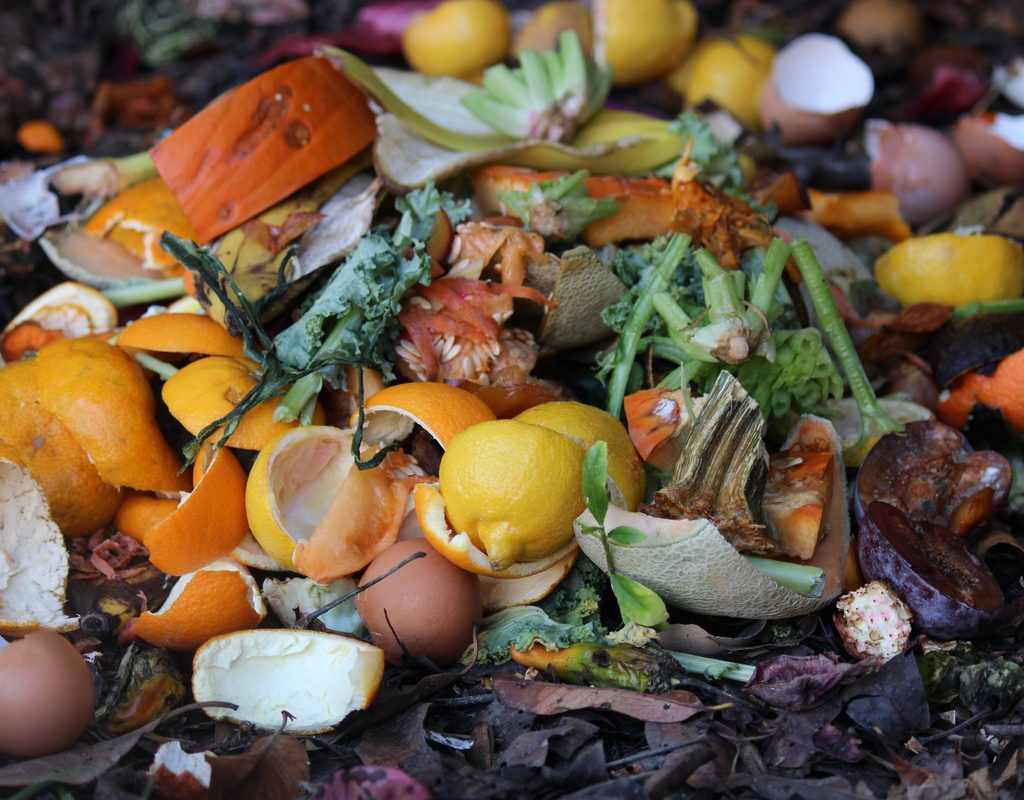
If you’re a dedicated composter who wants to attempt meat composting for the first time, there are some basic steps to follow in order to do it safely. To start, you’ll want to make sure your compost pile is big enough to accommodate the process and meets the greens/browns/water requirement discussed earlier. It should be at least a 3-by-3-by-3-foot cube. It can be larger, but the minimum size is usually the most manageable for the average gardener.
When you put meat scraps in the compost, you want to place them in or near the center (buried underneath other layers) because you’ll be doing a process known as hot composting. Placing the meat scraps in the middle of the compost pile will surround them with the most material possible, which is the warmest spot.
Your compost pile should reach an internal temperature between 130 and 160 degrees Fahrenheit. in order for the process to be effective. It’s better if your pile is not only away from your gardens but in full sun, as shade will slow the warming process. There are specific thermometers available for compost piles, so be sure to have one on hand before you start so you can monitor the progress.
The pile needs to stay within the 130 to 160-degree temperature range for five days, at which point you should stir/turn the pile with a pitchfork. Stirring/turning will help add oxygen and facilitate the hot composting process. This cycle should be repeated three times.
If your pile doesn’t reach the necessary temperature range within each cycle, you should operate as if the compost is “raw” and avoid spreading it on your crops.
The ideal (and safe) alternative to composting meat
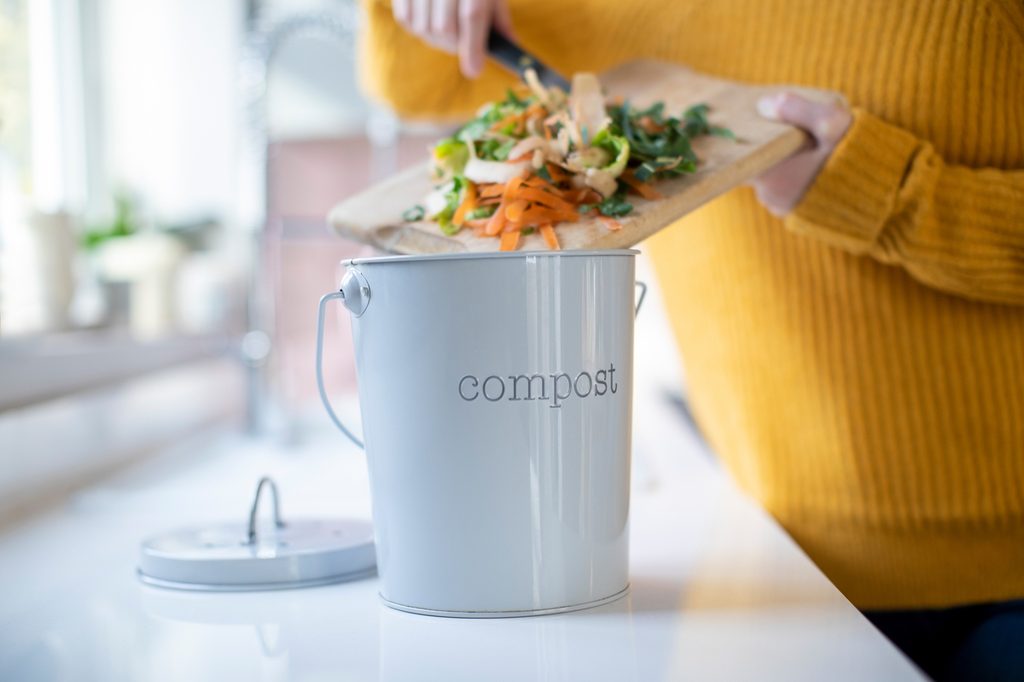
If you aren’t an experienced composter but don’t want to throw your meat in the garbage, there may still be a way for you to contribute your scraps to composting. The EPA advises you to check with a local compost or recycling facility to see if they accept meat scraps for drop-off.
Otherwise, the safest way for you to dispose of your meat scraps is in the garbage can or dumpster. Make sure when you throw away raw meat, you either leave it in its packaging or put it in a bag that seals. This will help minimize not only handling the raw meat but also the spread of any harmful bacteria that may be on it. The meat should be thrown away as soon as possible, and you should take out the trash within a day or two in order to prevent any foul odors in your home.
Can you compost bones?
Bones contain helpful nutrients, and bone meal is actually a useful gardening supplement, but can you put bones in your compost? Unfortunately, composting bones creates many of the same problems that composting meat does. Even bones that have been cleaned and cooked thoroughly will still smell like meat and may attract pests. Additionally, bones take much longer to break down than other materials, especially if they’re large. Breaking the bones into smaller pieces can help with this, but they will still need a long time to fully break apart. If you’re able to break them into extremely small pieces or grind them into a powder, then bones make a great addition to compost! Otherwise, it’s best to just throw them away.
As you can see, composting meat is a very complicated, time-consuming process. If you aren’t prepared to dedicate a decent amount of time and care to your compost pile, it’s best you avoid composting any meat or meat scraps and dispose of them either by contacting a local composting facility or throwing them into the garbage can.