  1. Home
  2. Gardening
  3. How tos

How to grow a cinnamon tree for delightful homemade cinnamon sticks

Here's how to care for your own cinnamon tree

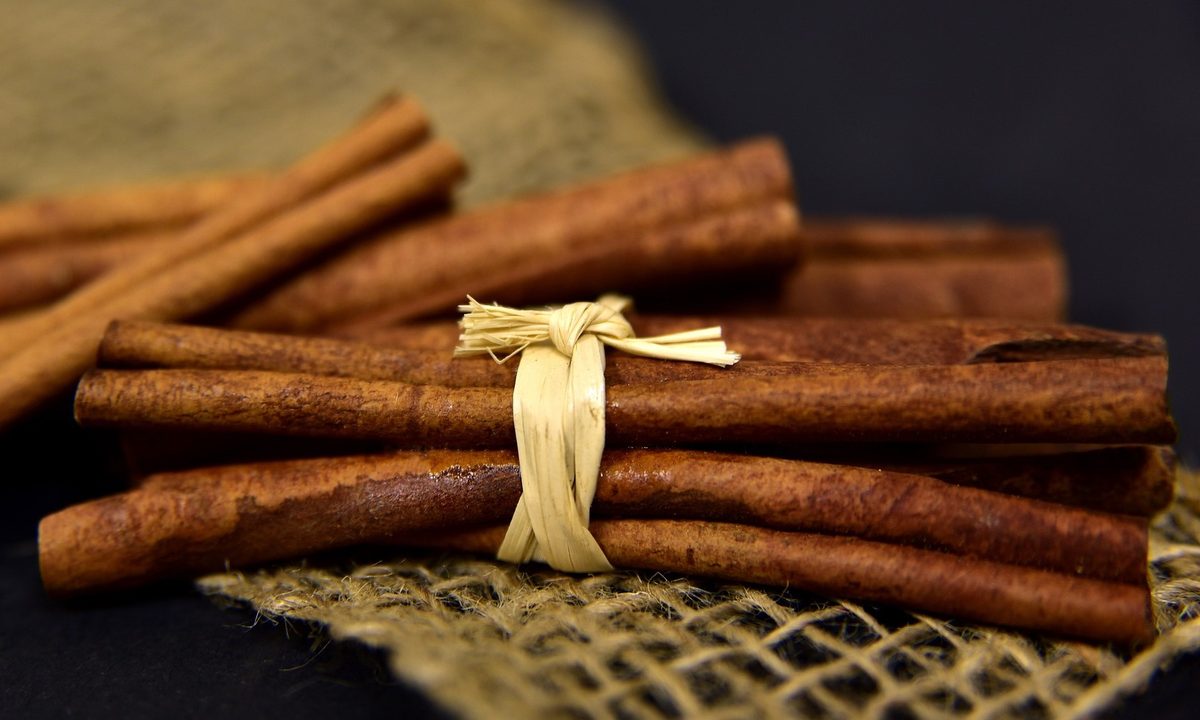
Bundles of cinnamon sticks tied together
Image used with permission by copyright holder

There are many tasty plants you can grow at home, from easy-to-harvest fruit trees to more involved ones, like growing maple trees for maple syrup. One delicious plant you might not have realized you can grow at home is a cinnamon tree. Cinnamon is made from the bark of a cinnamon tree, and with patience and some hard work, you can have homemade cinnamon sticks.

Recommended Videos

Difficulty

Moderate

Duration

1 hour 30 minutes

What You Need

  • Compost

  • Container or greenhouse (if north of zone 10)

  • Fertilizer

  • Pruning shears or saw

  • Insecticidal soap or neem oil

Dried cinnamon sticks with cinnamon powder in front of them on a white background
Image used with permission by copyright holder

Planting a cinnamon tree

Here's how to plant your own cinnamon tree:

Step 1: Plant it in well-draining, sandy, or loamy soil.

Step 2: Amend the soil with compost before planting.

Cinnamon trees use a lot of nutrients, so giving your tree a boost from the beginning can help.

Step 3: Choose a location in full sun or partial shade.

Step 4: Grow your cinnamon tree in a container if you live north of zone 10.

If you live in zones 9 and 8, you can keep your cinnamon tree outdoors during the summer, but if you're north of zone 8, you’ll see better results growing it in a greenhouse.

A cinnamon tree flowering
Image used with permission by copyright holder

Caring for your cinnamon tree

After you plant your cinnamon tree, here's how to care for it:

Step 1: Keep the humidity high around your tree.

Step 2: Water the cinnamon tree regularly.

Step 3: Fertilize it regularly.

Step 4: Remove damaged or diseased branches with pruning shears.

Aside from removing damaged and diseased branches, you can prune your cinnamon tree to keep the size in check. Otherwise, it doesn’t need pruning.

Step 5: Watch for signs of root rot.

As with other water-loving plants, cinnamon trees can develop fungal infections.

Step 6: Keep an eye out for leaf-eating pests.

Aphids, leaf miners, and mites can damage cinnamon trees. Treat them with insecticidal soap or neem oil.

Fresh orange cinnamon sticks
Image used with permission by copyright holder

How and when to harvest the cinnamon

If you want to make your own cinnamon sticks, follow these steps:

Step 1: Begin harvesting when the tree is at least two years old.

Step 2: Cut branches off the tree, or cut the entire tree down to a stump.

If you choose to cut the entire tree, it will regrow as a shrub next year.

Step 3: Remove any thin or twiggy branches.

These can be discarded or used for other purposes, but they aren’t particularly useful for making cinnamon. Instead, focus on the thicker, longer branches.

Step 4: Scrape off the brown outer bark and discard it.

Unfortunately, this bark doesn't taste great, but you can still compost it or use it as mulch.

Step 5: Peel the orange inner bark off the branch, setting it to the side.

This is the bark that becomes cinnamon.

Step 6: Dry the inner bark in the sun for four to five days.

After this, you’re ready to use your cinnamon! Depending on the length of your bark sticks, you may need to break them into smaller pieces for easier use and storage.

With patience and a bit of work, you can have plenty of delicious fresh cinnamon for your baked goods and drinks. Even if you choose not to harvest the bark, cinnamon trees are beautiful. Now that you know how to care for them, you’ll be able to grow as many cinnamon trees as you want!


Topics
Keep Bermuda grass at bay with these lawn care strategies
Tips on keeping unwanted Bermuda grass under control
Manicured Bermuda lawn

Bermuda grass, also known as Cynodon dactylon, is a common type of lawn grass. Its toughness, adaptability, and creeping growth habit attract either appreciation or disdain from the homeowners, gardeners, landscapers, and others who plant it or are invaded by it. While it's hardy nature makes it a resilient lawn grass, its habit of spreading can make it a serious nuisance. Even worse, once it's spread into an area it's incredibly difficult to get rid of. If Bermuda grass is spreading into your lawn from the surrounding area or you've just moved into a new home with a Bermuda grass lawn you'd like to replace, then here are our tips for controlling it.

Read more
Sustainable gardening: Tips for a greener, eco-friendly garden
Make your garden more sustainable with these tips
Cupped hands holding soil and little seedling

Gardening can be a rewarding, fun, and useful hobby, but it can also be challenging at times. If you’re struggling to keep your garden healthy and happy, then it might be time to consider switching to a more sustainable gardening method. Sustainable gardening can make your garden easier to care for, and it’s better for the environment. If you’re wondering about what exactly sustainable gardening is and how it works, then this is the guide for you! We’ll explain what it is and help you get started with some tips and tricks.
What is sustainable gardening?

Sustainable gardening doesn’t have a single concise definition, and it can take many different forms. Unfortunately, that sometimes leaves gardeners (especially beginners) a bit confused. To break it down, sustainable gardening methods focus on the environment, including being mindful of what chemicals or invasive species are being introduced to the ecosystem and trying to mimic the natural conditions of the environment in your garden.

Read more
How to get rid of gnats without harming your plants
Follow these tips and get rid of gnats now
Potted herbs on a windowsill

In most cases, gnats are little more than a nuisance. For gardeners, though, a gnat infestation can spell devastation. While adult gnats don’t damage plants, the larvae will eat roots and leaves. In large numbers, they can cause serious damage. There are many pesticides on the market, but some plants are sensitive to the chemicals in them. Luckily, there are other options for controlling a gnat infestation, so you can save your plants without scorching their leaves. This guide on how to get rid of gnats in plants will explain everything you need to know.

Read more